Expert Toronto | Appliance Repair Services
- info@appliance-expert.ca
- +1 (437) 600-6066

Common Dryer Problems and How to Fix Them

Expert and DIY Solutions for Common Dryer Problems
Dryers are essential appliances in many households, providing convenience and efficiency in laundry care. However, like any machine, they can encounter problems that disrupt their functionality. This article will explore common dryer issues, such as heating failures, drum malfunctions, and unusual noises, while offering practical solutions for each. Homeowners often face challenges when their dryers do not perform as expected, leading to frustration and potential damage to clothing. By understanding the underlying causes and remedies for these issues, you can ensure your dryer operates smoothly and efficiently. We will cover troubleshooting steps for heating problems, drum and belt malfunctions, and maintenance tips to keep your dryer in top condition.
Indeed, the electromechanical nature of home appliances means that various failures can occur throughout their lifecycle, necessitating effective detection and repair strategies.
Smart Maintenance for Home Appliance Failure Detection & Repair
Due to their electromechanical nature, during its lifecycle several failures can occur, some are related to poor usage, others are related to the malfunctioning of components or even due to the natural wear and tear of certain parts. The project “Smart Maintenance in Home Appliances” (Smart-PDM) aims to prevent and detect home appliance failures by acquiring its energy consumption pattern and detecting variations or abnormal patterns. Any variation that is abnormal is a good indicator that something is not working properly, requiring external intervention in order to identify the failure and possibly repair it.
Smart Maintenance of Home Appliances, 2019
Why Is My Dryer Not Heating? Troubleshooting Heating Element Issues
A dryer that fails to heat can be a significant inconvenience, often stemming from several potential causes. Common issues include a clogged venting system, a burned-out heating element, a blown thermal fuse, a faulty door switch, or electrical problems. Identifying the root cause is crucial for effective troubleshooting.
- Check the Venting System: Ensure that the vent is clear of lint and obstructions, as this can prevent proper airflow and heating.
- Test the Heating Element: Use a multimeter to check for continuity in the heating element; if it’s faulty, it will need replacement.
- Inspect the Thermal Fuse: A blown thermal fuse will cut off power to the heating element, requiring replacement to restore functionality.
- Examine the Door Switch: If the door switch is defective, the dryer may not heat, as it won’t operate properly.
- Check Electrical Connections: Ensure that all electrical connections are secure and functioning correctly.
For those in Toronto experiencing dryer issues, Appliance Expert specializes in professional dryer repair, addressing problems like heating failures with expert technicians who provide reliable service.
What Causes Dryer Heating Element Failure?
Heating element failure can occur due to several factors, including overheating, wear and tear, or electrical surges. Regular maintenance can help prevent these issues. Ensuring proper airflow and cleaning the lint trap can significantly extend the life of the heating element.
How Can I Diagnose and Fix Dryer Heating Problems?
Diagnosing heating problems involves a systematic approach:
- Inspect the Vent: Start by checking for blockages in the venting system.
- Test Components: Use a multimeter to test the heating element and thermal fuse for continuity.
- Check the Door Switch: Ensure the door switch is functioning correctly.
- Evaluate Electrical Supply: Confirm that the dryer is receiving the correct voltage.
By following these steps, you can effectively identify and resolve heating issues in your dryer.
How to Address Dryer Drum and Belt Malfunctions Effectively
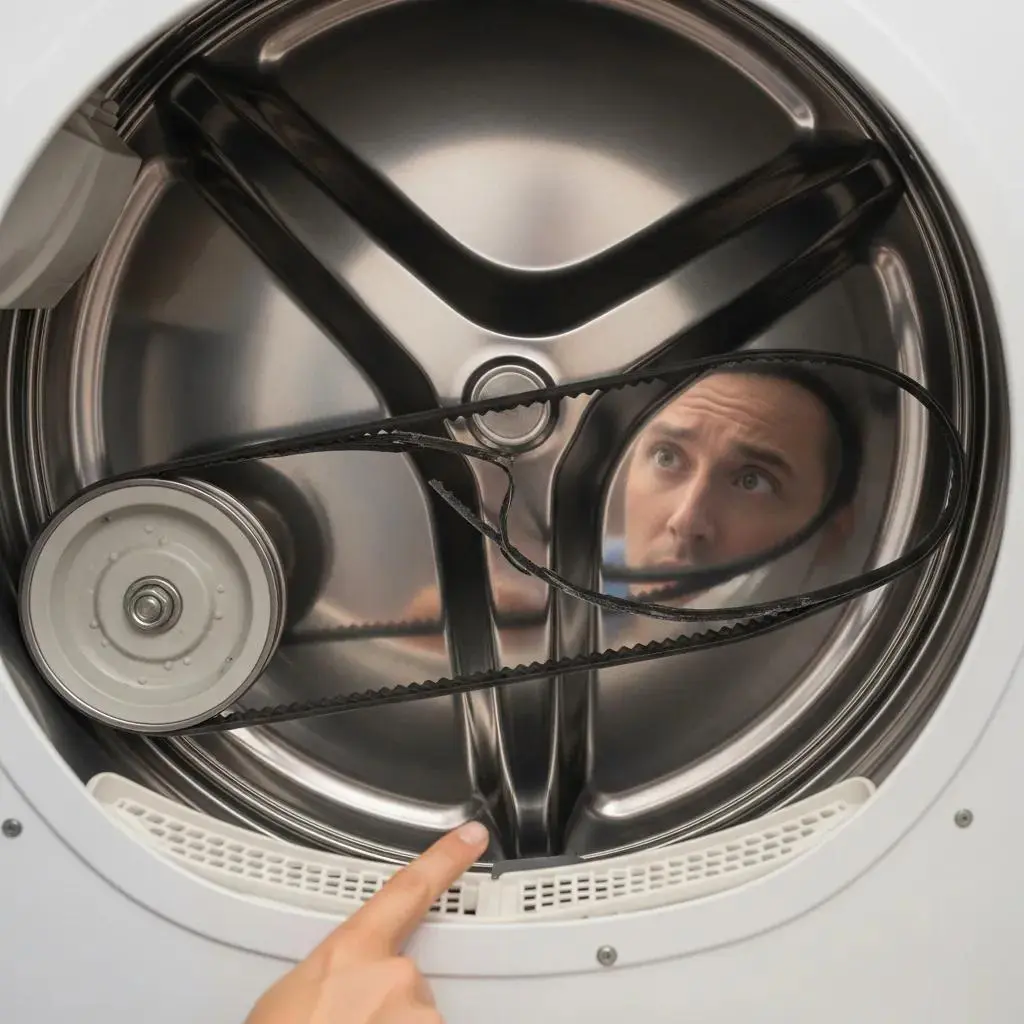
Drum and belt malfunctions can lead to a dryer that fails to spin or make unusual noises. Common causes include a worn or broken drive belt, faulty motor coupling, clogged exhaust vent, worn drum bearings, or even the child lock feature being activated.
- Check Power Supply: Ensure the dryer is plugged in and receiving power.
- Inspect the Drum: Look for any obstructions that may prevent the drum from turning.
- Listen for Noises: Unusual sounds can indicate issues with the motor or bearings.
- Check for Error Codes: Some dryers display error codes that can help diagnose the problem.
By identifying these issues early, you can prevent further damage and costly repairs.
What Are the Signs of a Dryer Drum Not Spinning?
A dryer drum that does not spin can exhibit several signs:
- No Movement: The drum remains stationary during operation.
- Strange Noises: Grinding or thumping sounds may indicate mechanical issues.
- Increased Friction: Excessive heat or burning smells can signal a problem with the drum bearings.
To troubleshoot, check the motor coupling, inspect the exhaust vent, and examine the drive belt for wear.
What Causes Dryer Noise and Vibration and How to Resolve Them?
Noise and vibration in dryers can stem from various sources, including:
- Rattling Noises: Loose components or foreign objects in the drum.
- Thumping Noises: An unbalanced load or worn drum bearings.
- Humming or Grinding: Issues with the motor or belt.
To resolve these issues, level the dryer, check for loose parts, and reduce the load size to ensure balanced operation.
How to Maintain Your Dryer: Lint Trap Cleaning and Safety Tips
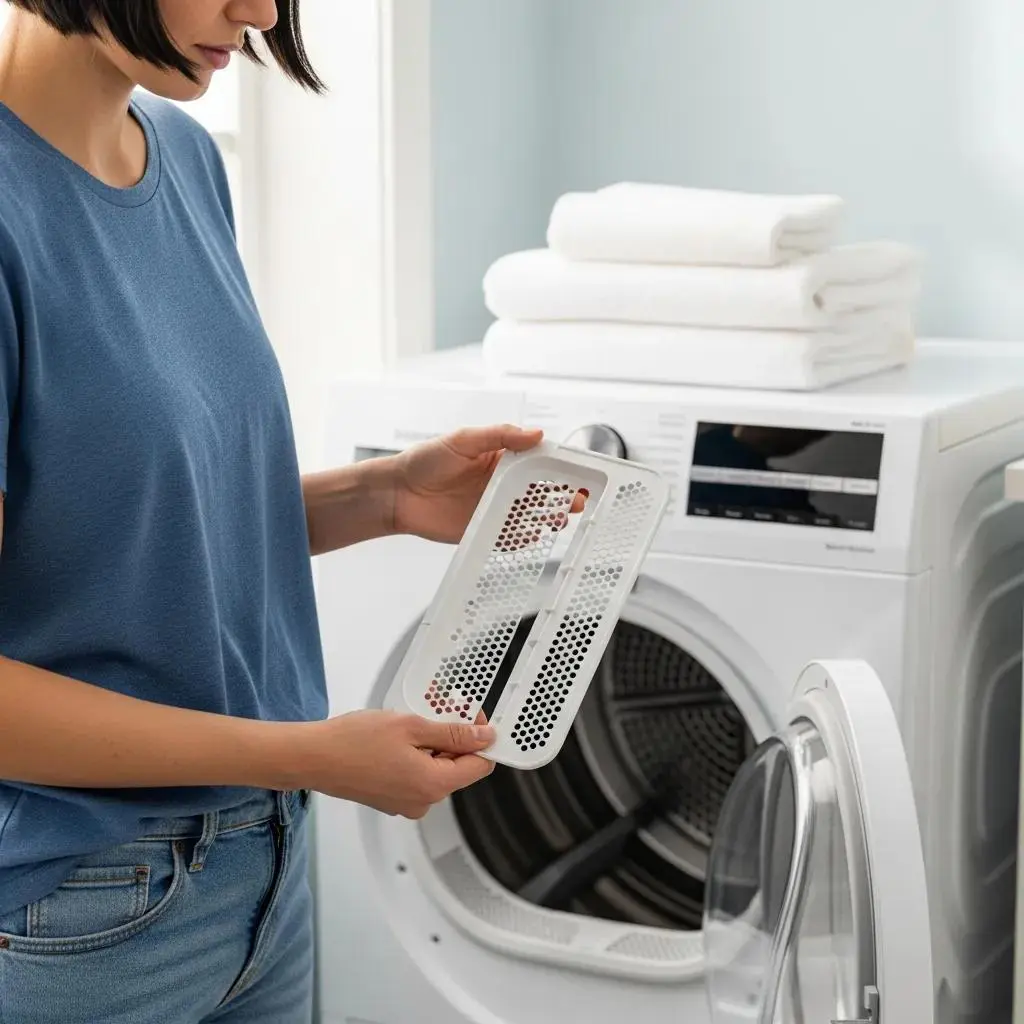
Regular maintenance is essential for dryer efficiency and safety. Key maintenance procedures include:
- Remove the Lint Filter: Clean the filter after every use to prevent lint buildup.
- Inspect the Vent: Regularly check the vent for blockages to ensure proper airflow.
- Avoid Overloading: Overloading the dryer can strain the motor and lead to malfunctions.
Implementing these practices can enhance your dryer’s performance and longevity.
Why Is Regular Dryer Lint Trap Cleaning Essential?
Cleaning the lint trap is crucial for several reasons:
- Efficiency: A clean lint trap allows for better airflow, improving drying times.
- Fire Safety: Lint buildup is a leading cause of dryer fires, making regular cleaning essential.
- Best Maintenance Practices: Regular cleaning extends the life of your dryer and reduces the risk of breakdowns.
How Does Dryer Vent Cleaning Improve Safety and Efficiency?
Cleaning the dryer vent is vital for maintaining safety and efficiency. Benefits include:
- Improved Safety: Reducing the risk of fire hazards associated with lint buildup.
- Enhanced Efficiency: A clean vent allows the dryer to operate more effectively, reducing energy consumption and drying times.
By prioritizing dryer maintenance, homeowners can ensure their appliances function safely and efficiently, ultimately saving time and money on repairs.