Expert Toronto | Appliance Repair Services
- info@appliance-expert.ca
- +1 (437) 600-6066

Oven Not Working? Common Issues and Repair Solutions

Oven Repair Services in Toronto: Diagnosing and Fixing Common Oven Issues
When your oven stops working, it can disrupt your daily routine and create a significant inconvenience. Understanding common oven issues and their solutions can help you troubleshoot effectively and determine when to seek professional assistance. This article will explore typical problems that affect ovens, including heating failures and control issues, while also providing insights into repair solutions. By the end, you’ll have a clearer understanding of how to address these issues and when to call in experts like Appliance Expert, a Toronto-based appliance repair service specializing in ovens and stoves.
Common Oven Issues:
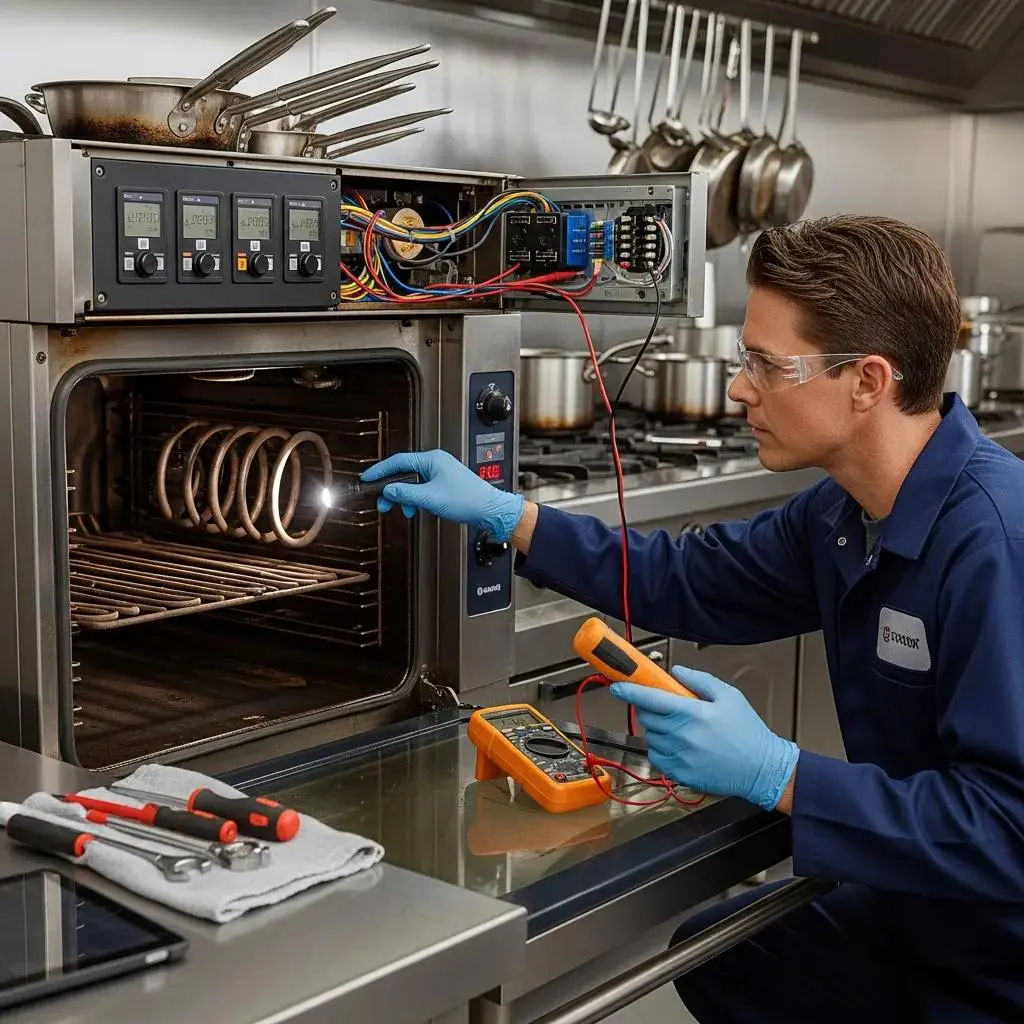
Ovens can experience a variety of problems that hinder their performance. Identifying these issues early can save you time and money. Here are some common oven problems:
- Faulty Heating Elements: Heating elements can wear out over time, leading to uneven cooking or complete failure to heat.
- Temperature Control Problems: Inaccurate temperature readings can result in undercooked or overcooked food, affecting meal quality.
- Ignition & Gas Line Repairs: For gas ovens, ignition failures or gas line issues can prevent the oven from lighting properly.
Understanding these common issues is the first step toward effective troubleshooting and repair.
Indeed, effective troubleshooting is a cornerstone of appliance repair, requiring systematic approaches to identify and resolve complex issues.
Diagnostic Methodologies for Appliance Repair
The reliability and performance of medical and diagnostic devices are critically dependent on robust troubleshooting methodologies that address both electrical and mechanical system failures. This systematic review investigates the evolving frameworks, diagnostic technologies, and regulatory protocols governing troubleshooting practices in medical device manufacturing, with an emphasis on safety, performance assurance, and compliance.
Electrical And Mechanical Troubleshooting in Medical And Diagnostic Device Manufacturing: A Systematic Review Of Industry Safety And Performance Protocols, MMR Shamim, 2022
Repair Solutions:

Once you’ve identified the problem with your oven, the next step is to explore potential repair solutions. Here are some effective strategies:
A solid understanding of appliance mechanics and electrical systems is fundamental to mastering these repair solutions.
Fundamentals of Major Appliance & Oven Repair
This module is a comprehensive text on basic appliance repair, designed to prepare students for entry-level jobs in this growing field. Ensuring a firm grounding in electrical knowledge, the module contains 13 instructional units that cover the following topics: (1) major appliance repair orientation; (2) safety and first aid; (3) fundamentals of electricity; (4) AC induction motors; (5) diagrams and schematics; (6) tools, materials, and test equipment; (7) automatic washers; (8) automatic dryers; (9) automatic dishwashers; (10) garbage disposers; (11) trash compactors; (12) gas ranges and ovens; and (13) electric ranges and ovens.
Major Appliance Repair, 1987
- Diagnosis by Certified Technicians: Professional technicians can accurately diagnose the issue, ensuring that the right repairs are made.
- Parts Replacement with Genuine Parts: Using original manufacturer parts can enhance the longevity and performance of your oven.
- Emergency Services Available: Many repair services offer emergency assistance, allowing you to get your oven back in working order quickly.
For residents in Toronto, Appliance Expert provides reliable oven repair services, ensuring that your appliance is handled by skilled professionals.
Why Is My Oven Not Heating? Common Heating Problems Explained
When your oven fails to heat, it can be frustrating. Several factors can contribute to this issue, including faulty heating elements, thermostat malfunctions, and gas supply problems. Understanding these causes can help you pinpoint the issue more effectively.
What Causes Oven Heating Element Failures?
Heating element failures are often due to aging components or electrical issues. Common causes include:
- Aging Heating Elements: Over time, heating elements can degrade and lose their ability to generate heat.
- Faulty Thermostat: A malfunctioning thermostat may not signal the heating element to turn on, leading to heating failures.
- Weak Igniter in Gas Ovens: In gas ovens, a weak igniter can prevent the oven from lighting, resulting in no heat.
Recognizing these causes can help you determine whether a simple fix or professional repair is needed.
How Do Thermostat Malfunctions Affect Oven Performance?
Thermostat malfunctions can significantly impact oven performance. When the thermostat is faulty, it may not accurately measure the oven’s temperature, leading to inconsistent cooking results. This can manifest as:
- Inconsistent Temperatures: Fluctuating temperatures can cause uneven cooking.
- Failure to Heat: The oven may not reach the desired temperature at all.
- Long Preheat Times: A malfunctioning thermostat can extend preheat times, making cooking less efficient.
Understanding these effects can guide you in troubleshooting and deciding when to seek professional help.
How Can I Troubleshoot Stove and Oven Heating Issues at Home?
If you’re experiencing heating issues, there are several troubleshooting steps you can take before calling a technician:
- Check Power Supply: Ensure that the oven is properly plugged in and that the circuit breaker hasn’t tripped.
- Inspect Wiring: Look for any visible damage to the wiring that may affect the oven’s performance.
- Use an Oven Thermometer: An oven thermometer can help you verify whether the oven is heating to the correct temperature.
These steps can help you identify simple issues that may be resolved without professional assistance.
What Are the Signs of a Faulty Oven Thermostat?
Identifying a faulty oven thermostat is crucial for maintaining optimal cooking performance. Key signs include:
- Inconsistent Temperatures: If your oven frequently cooks food unevenly, the thermostat may be malfunctioning.
- Failure to Heat: An oven that doesn’t heat at all could indicate a thermostat issue.
- Long Preheat Times: Extended preheat times can signal that the thermostat is not functioning correctly.
Recognizing these signs early can help you address the problem before it worsens.
When Does the Oven Control Board Need Repair or Replacement?
The oven control board is a critical component that manages various functions of the appliance. Signs that it may need repair or replacement include:
- Unresponsive Control Panel: If the control panel does not respond to inputs, the control board may be faulty.
- Temperature Control Problems: Inconsistent temperature settings can indicate control board issues.
- Error Codes: Many modern ovens display error codes that can signal control board malfunctions.
If you notice these symptoms, it may be time to consult a professional technician for further evaluation.
When Should I Call a Professional for Oven Repair in Toronto?
Knowing when to call a professional can save you time and prevent further damage to your oven. Consider contacting a technician if you experience:
- Oven Not Heating: If troubleshooting does not resolve the heating issue, professional help is necessary.
- Temperature Inconsistencies: Persistent temperature problems can indicate deeper issues that require expert attention.
- Strange Noises or Smells: Unusual sounds or odors can signal serious problems that need immediate professional evaluation.
Appliance Expert offers expert oven repair services in Toronto, ensuring that your appliance is in capable hands.
What Are the Benefits of Certified Technicians for Oven Repairs?
Hiring certified technicians for oven repairs comes with several advantages:
- Qualifications and Expertise: Certified technicians have the training and experience to diagnose and repair a wide range of oven issues.
- Warranty on Repairs: Many professional services offer warranties on their repairs, providing peace of mind.
- Safety Considerations: Professionals are trained to handle potentially hazardous situations, ensuring safe repairs.
These benefits highlight the importance of seeking professional assistance for oven repairs.
How Does Transparent Pricing Ensure Trust in Oven Repair Services?
Transparent pricing is essential for building trust between service providers and customers. Key aspects include:
- Eliminates Hidden Fees: Clear pricing structures prevent unexpected charges, allowing customers to budget effectively.
- Builds Customer Trust: Transparency fosters trust, encouraging customers to return for future services.
- Enhances Satisfaction: Knowing the cost upfront leads to higher customer satisfaction and loyalty.
Appliance Expert prioritizes transparent pricing, ensuring that customers understand the costs associated with their oven repairs.
What Are the Best Solutions for Oven Heating Element Replacement?
When it comes to replacing heating elements, several solutions can ensure optimal performance:
- Replacement with Manufacturer-Approved Parts: Using genuine parts guarantees compatibility and reliability.
- Inspection of Electrical Components: A thorough inspection can identify any underlying electrical issues that may affect the new element.
- Safety Measures: Following safety protocols during replacement is crucial to prevent accidents.
These solutions can help ensure that your oven operates efficiently after a heating element replacement.
How Is Electric Oven Heating Element Replacement Performed?
Replacing an electric oven heating element involves several steps:
- Safety Precautions: Always disconnect the oven from the power supply before beginning any repairs.
- Tools Required: Basic tools such as screwdrivers and pliers are typically needed for the replacement process.
- Step-by-Step Process: Carefully remove the old element, install the new one, and reconnect the power supply.
Following these steps can help ensure a successful heating element replacement.
What Safety Measures Are Important for Gas Oven Repairs?
Gas oven repairs require specific safety measures to prevent accidents:
- Gas Leak Detection: Always check for gas leaks before and after repairs to ensure safety.
- Proper Ventilation: Ensure that the area is well-ventilated during repairs to avoid gas buildup.
- Use of Certified Technicians: Hiring professionals ensures that repairs are conducted safely and effectively.
These safety measures are crucial for maintaining a safe environment during gas oven repairs.