
How a Technician Diagnoses & Repairs Your Appliance

How Technicians Diagnose and Repair Appliances in Toronto
When your household appliances malfunction, understanding the diagnostic and repair process can alleviate stress and ensure effective solutions. This article delves into how technicians identify and resolve appliance issues, providing insights into the tools and techniques they employ. By grasping the intricacies of the appliance repair process, homeowners can make informed decisions and set realistic expectations for service visits. The focus will be on the steps technicians take during diagnostics, the tools they use, and what customers can expect during their interactions with repair services.
What Happens During a Technician’s Appliance Diagnostic Visit?
During a technician’s diagnostic visit, the primary goal is to assess the appliance’s condition and identify any underlying issues. This process typically begins with an initial assessment, where the technician visually inspects the appliance and listens to the customer’s description of the problem. Effective communication is crucial, as it helps the technician understand the symptoms and narrow down potential causes.
Appliance Expert, a Toronto-based appliance repair service provider, emphasizes the importance of reliable diagnostics to build trust with customers. Their technicians are trained to deliver professional repair services, ensuring that homeowners feel confident in the solutions provided.
How Do Certified Technicians Identify Appliance Problems?
Certified technicians utilize a systematic approach to identify appliance problems. The process often starts with an initial assessment and visual inspection, where technicians look for obvious signs of wear or damage. Following this, they conduct component testing and error code analysis using specialized diagnostic tools.
For instance, if a refrigerator is not cooling properly, the technician may check the thermostat settings, inspect the compressor, and analyze error codes displayed on the appliance’s control panel. This thorough examination allows them to pinpoint the issue accurately and recommend appropriate repairs.
Which Diagnostic Tools and Techniques Are Used?
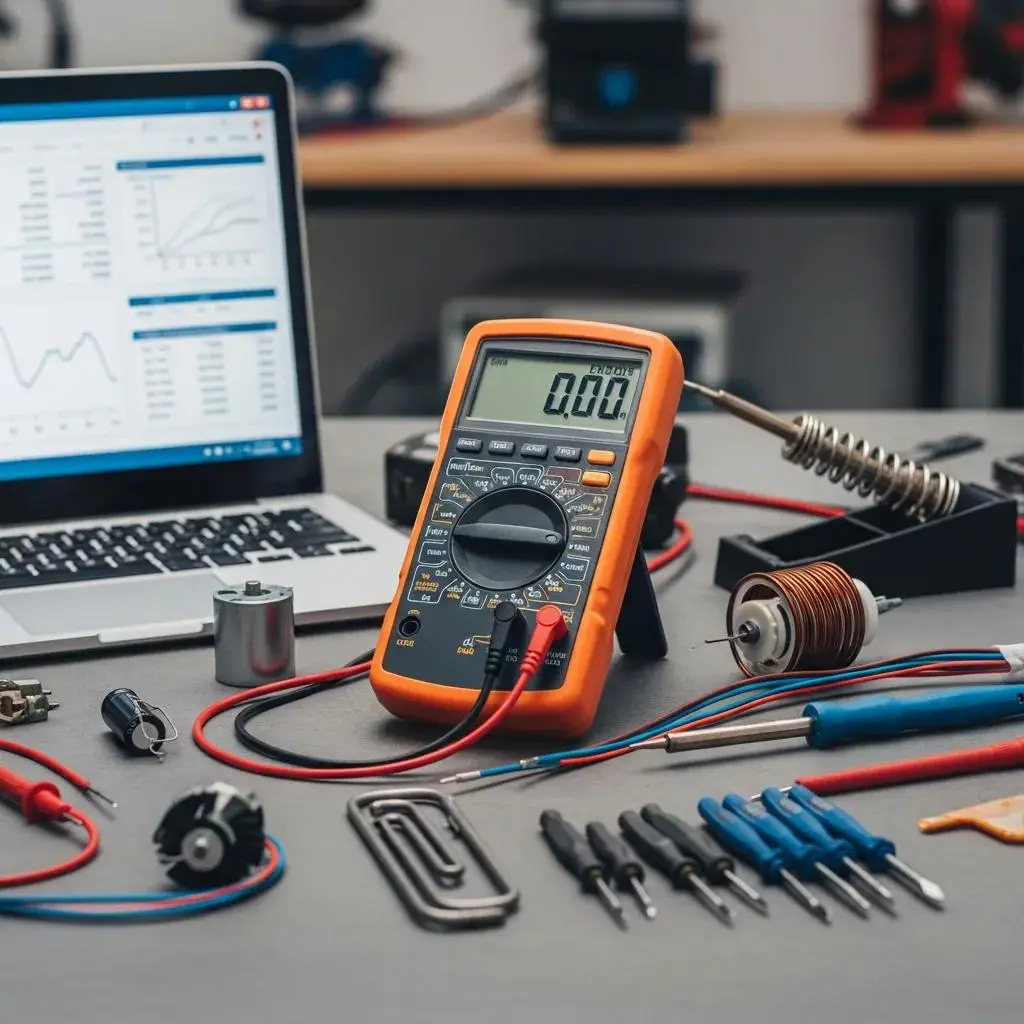
Technicians employ various diagnostic tools and techniques to ensure accurate assessments. Common tools include:
- Multimeters: Used to measure electrical current, voltage, and resistance, helping technicians diagnose electrical issues.
- Diagnostic Software: Many modern appliances come equipped with software that can provide error codes and performance data, streamlining the diagnostic process.
- Replacement Parts: Technicians often carry common replacement parts to expedite repairs once the issue is identified.
These tools enhance the technician’s ability to troubleshoot effectively, ensuring that repairs are both timely and efficient.
What Are the Step-by-Step Appliance Diagnostic Processes?
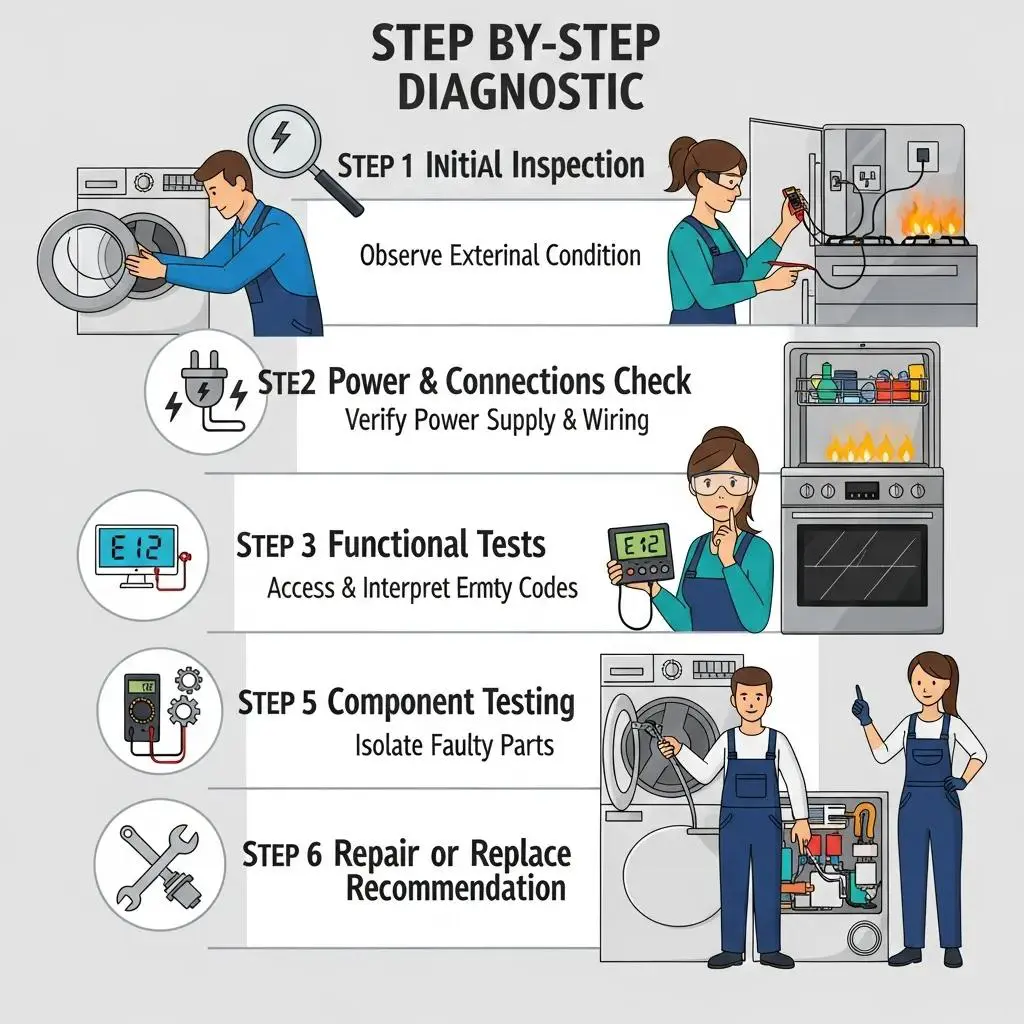
The appliance diagnostic process involves several critical steps that technicians follow to ensure accuracy and thoroughness.
How Is Each Diagnostic Step Performed to Ensure Accuracy?
Each diagnostic step is performed methodically to guarantee that no potential issues are overlooked. The process typically includes:
- Thorough Inspection: Technicians examine the appliance for visible signs of damage or malfunction.
- Functional Tests: They conduct tests to assess the appliance’s performance, checking for any irregularities.
- Error Code Analysis: If applicable, technicians analyze error codes to gain insights into specific issues.
This structured approach minimizes the risk of misdiagnosis and ensures that the technician can provide a comprehensive solution.
How Do Technicians Determine the Necessary Repairs?
Once the diagnostic steps are completed, technicians determine the necessary repairs based on their findings. This involves evaluating the cost-effectiveness of repairs versus replacement, as well as creating a repair plan that outlines the steps needed to restore the appliance to full functionality.
Technicians often provide customers with cost estimates and timelines for repairs, ensuring transparency throughout the process. This approach not only helps customers make informed decisions but also fosters trust in the technician’s expertise.
How Does the Appliance Repair Service Process Work in Toronto?
In Toronto, the appliance repair service process is designed to be customer-friendly and efficient. It typically begins with initial contact and appointment scheduling, where customers can describe their appliance issues.
Once the technician arrives, they conduct a thorough diagnosis, followed by providing a cost estimate for the necessary repairs. After obtaining customer approval, the technician proceeds with the repair execution, ensuring that all work is completed to high standards. Post-repair testing is also conducted to confirm that the appliance is functioning correctly before the technician leaves.
What Should Customers Expect During the Technician Visit?
Customers can expect a professional and informative experience during the technician visit. Preparation before the technician’s arrival is essential; homeowners should ensure that the area around the appliance is accessible and that any relevant information about the appliance’s issues is readily available.
During the visit, the technician will communicate the diagnosis and repair process clearly, keeping the customer informed every step of the way. After the repairs are completed, technicians often provide post-repair support, answering any questions the customer may have about appliance maintenance or future issues.
How Is Transparent Pricing and Service Booking Managed?
Transparent pricing is a cornerstone of reputable appliance repair services. Companies like Appliance Expert prioritize clear communication regarding service costs, ensuring that customers are aware of any fees before work begins.
The service booking process is streamlined, allowing customers to schedule appointments easily and receive timely updates about their service. This commitment to transparency not only enhances customer satisfaction but also builds long-term relationships based on trust and reliability.