Expert Toronto | Appliance Repair Services
- info@appliance-expert.ca
- +1 (437) 600-6066

Most Common Appliance Error Codes Explained
Appliance Error Codes Toronto: Most Common Appliance Error Codes Explained for Reliable Troubleshooting and Repair
Appliance error codes serve as vital diagnostic tools for homeowners, providing insights into the operational status of major household appliances. Understanding these codes can significantly enhance troubleshooting efforts, allowing users to identify issues before they escalate into costly repairs. This article delves into the most common appliance error codes, their meanings, and the steps homeowners can take to address them effectively. By equipping yourself with this knowledge, you can make informed decisions about when to troubleshoot and when to seek professional assistance. We will explore the significance of error codes, common codes for various appliances, and the importance of professional repair services in Toronto.
What Are Appliance Error Codes and Why Do They Matter?
Appliance error codes are alphanumeric signals generated by household appliances to indicate specific malfunctions or operational issues. These codes are crucial for diagnosing faults, as they provide technicians and homeowners with a starting point for troubleshooting. Understanding these codes can lead to quicker resolutions and prevent further damage to the appliance. For instance, a washing machine displaying an error code may indicate a water inlet issue, prompting immediate attention to avoid flooding.
These diagnostic signals are often part of broader fault detection and diagnosis (FDD) techniques that rely on internal sensors to identify specific issues.
Appliance Fault Detection & Diagnosis Techniques
Chapter 2 will introduce the fault detection and diagnosis (FDD) technique that this study proposes and will describe faults to be detected and sensors that may be used.
Fault detection and diagnosis in air conditioners and refrigerators, CW Bullard, 1999
How Do Appliance Error Codes Help Diagnose Faults?
Error codes assist in diagnosing faults by pinpointing the exact nature of the problem. For example, a refrigerator displaying a code may signal a temperature sensor failure, while a washing machine showing could indicate a door lock issue. These codes help technicians and homeowners alike to focus their troubleshooting efforts on specific components, streamlining the repair process. By understanding the implications of these codes, users can take proactive measures to resolve issues before they escalate.
Further research emphasizes how the inherent design of appliances significantly influences the ease and effectiveness of fault diagnosis.
Household Appliance Fault Diagnosis & Design
faults in household appliances and how the design of these appliances facilitates or hampers the process of fault
Practices of fault diagnosis in household appliances: Insights for design, BP Arcos, 2020
What Should Homeowners Know About Error Code Reliability?
While appliance error codes are generally reliable indicators of underlying problems, they are not infallible. Homeowners should be aware that error codes can sometimes be triggered by external factors, such as power surges or temporary malfunctions. For instance, a code on a washing machine may appear due to a momentary electrical glitch rather than a persistent fault. Therefore, it is essential to consider the context of the error code and, if necessary, consult a professional for a thorough diagnosis.
Which Error Codes Are Most Common for Major Appliances?
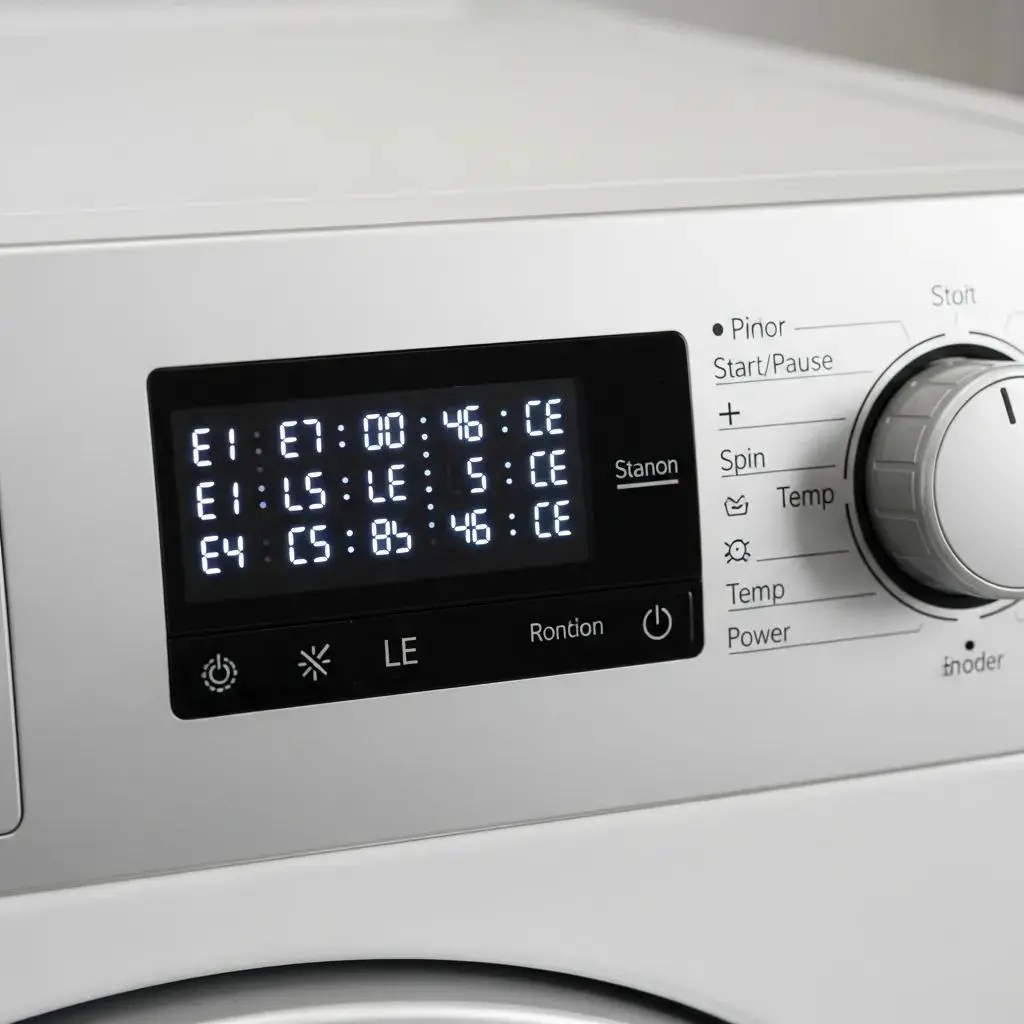
Understanding the most common error codes for major appliances can empower homeowners to troubleshoot effectively. Below is a summary of prevalent error codes across various appliance types.
| Appliance Type | Common Error Codes | Description |
|---|---|---|
| Washing Machine | E1, LE, CE | Indicates water inlet issues, door lock problems, or electrical faults. |
| Refrigerator | 1E, 5E, SE | Signals temperature sensor failures or sensor issues. |
| Dryer | D80, D90 | Indicates vent blockage or airflow issues. |
| Oven | F1, F2 | Represents control board malfunctions or temperature sensor failures. |
What Are the Top Washing Machine Error Codes to Recognize?
Washing machines often display specific error codes that indicate various issues. Recognizing these codes can help homeowners address problems promptly. Common washing machine error codes include:
- E1: Indicates a water inlet issue, often due to a clogged filter or kinked hose.
- LE: Signals a door lock malfunction, which may require inspection or replacement.
- CE: Represents an electrical fault, potentially caused by a power surge.
Understanding these codes allows users to take immediate action, potentially saving time and repair costs.
How to Understand Fridge Error Codes and Their Meanings?
Refrigerators also utilize error codes to communicate issues. Common fridge error codes include:
- 1E: Indicates a temperature sensor failure, which may require replacement.
- 5E: Signals a sensor issue, often resolved by resetting the appliance.
- SE: Represents a sensor error, necessitating a technician’s evaluation.
By familiarizing themselves with these codes, homeowners can troubleshoot effectively and maintain optimal appliance performance.
How Can You Decode and Reset Appliance Error Codes Effectively?
Decoding and resetting appliance error codes can often resolve minor issues without professional intervention. Here are some effective methods:
- Consult the User Manual: Most appliances come with a user manual that includes a list of error codes and their meanings.
- Power Cycle the Appliance: Unplugging the appliance for a few minutes can reset the error codes and clear temporary faults.
- Check Connections: Ensure that all connections, such as water supply and electrical cords, are secure and functioning properly.
Indeed, the importance of user manuals in facilitating accurate fault diagnosis and subsequent repair is widely recognized.
User Manuals for Appliance Fault Diagnosis & Repair
user manuals can play a relevant role in facilitating them. They are the accredited source of product information for end users and are therefore sought as an important means for the diagnosis and subsequent repair of household appliances.
How user manuals support the diagnosis of common faults in household appliances: An analysis of 150 manuals, B Pozo Arcos, 2023
What Are the Step-by-Step Methods to Decode Error Codes?
To decode error codes effectively, follow these steps:
- Identify the Error Code: Note the specific code displayed on the appliance.
- Refer to the Manual: Look up the code in the appliance’s user manual for detailed information.
- Perform Basic Troubleshooting: Check for common issues related to the error code, such as clogged filters or loose connections.
When Is It Safe to Reset Appliance Error Codes Yourself?
Resetting appliance error codes can be safe if done correctly. Homeowners should consider resetting the appliance when:
- The Error Code is Temporary: If the code appears after a power surge or brief malfunction.
- Basic Troubleshooting is Complete: Ensure that all connections are secure and common issues have been addressed.
- Consultation with a Professional is Unnecessary: If the issue seems minor and can be resolved through a reset.
When Should You Book Professional Appliance Repair Services in Toronto?
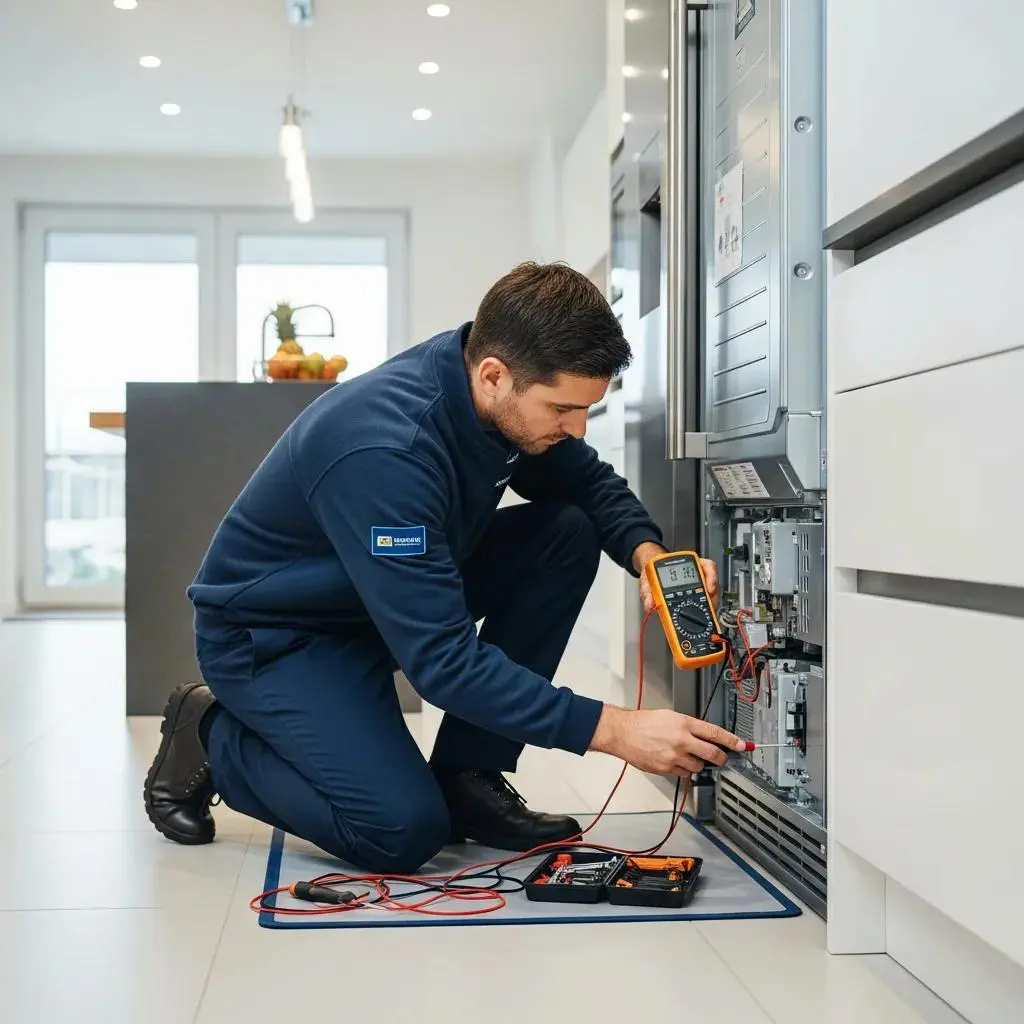
While many appliance issues can be resolved through troubleshooting, some situations necessitate professional intervention. Homeowners should consider booking professional repair services when:
- The Error Code Persists: If the same error code reappears after troubleshooting and resetting.
- Multiple Appliances are Affected: Indicating a potential electrical issue that requires expert evaluation.
- Safety Concerns Arise: If there are signs of electrical hazards or gas leaks.
How Does Appliance Expert Ensure Fast and Reliable Repairs?
Appliance Expert, a Toronto-based appliance repair service provider, specializes in diagnosing and repairing major household appliances. They offer same-day service for most issues, ensuring that homeowners can quickly return to their daily routines. Their team consists of certified technicians who are trained to handle a wide range of appliance problems, providing peace of mind to customers.
What Are the Benefits of Transparent Pricing and Certified Technicians?
Choosing a repair service that offers transparent pricing and certified technicians can significantly enhance the customer experience. Appliance Expert emphasizes clear communication regarding repair costs, allowing homeowners to make informed decisions. Additionally, certified technicians possess the necessary skills to diagnose and repair appliances accurately, ensuring that issues are resolved effectively and efficiently.