Expert Toronto | Appliance Repair Services
- info@appliance-expert.ca
- +1 (437) 600-6066

Refrigerator Not Cooling? How to Diagnose and Fix the Problem
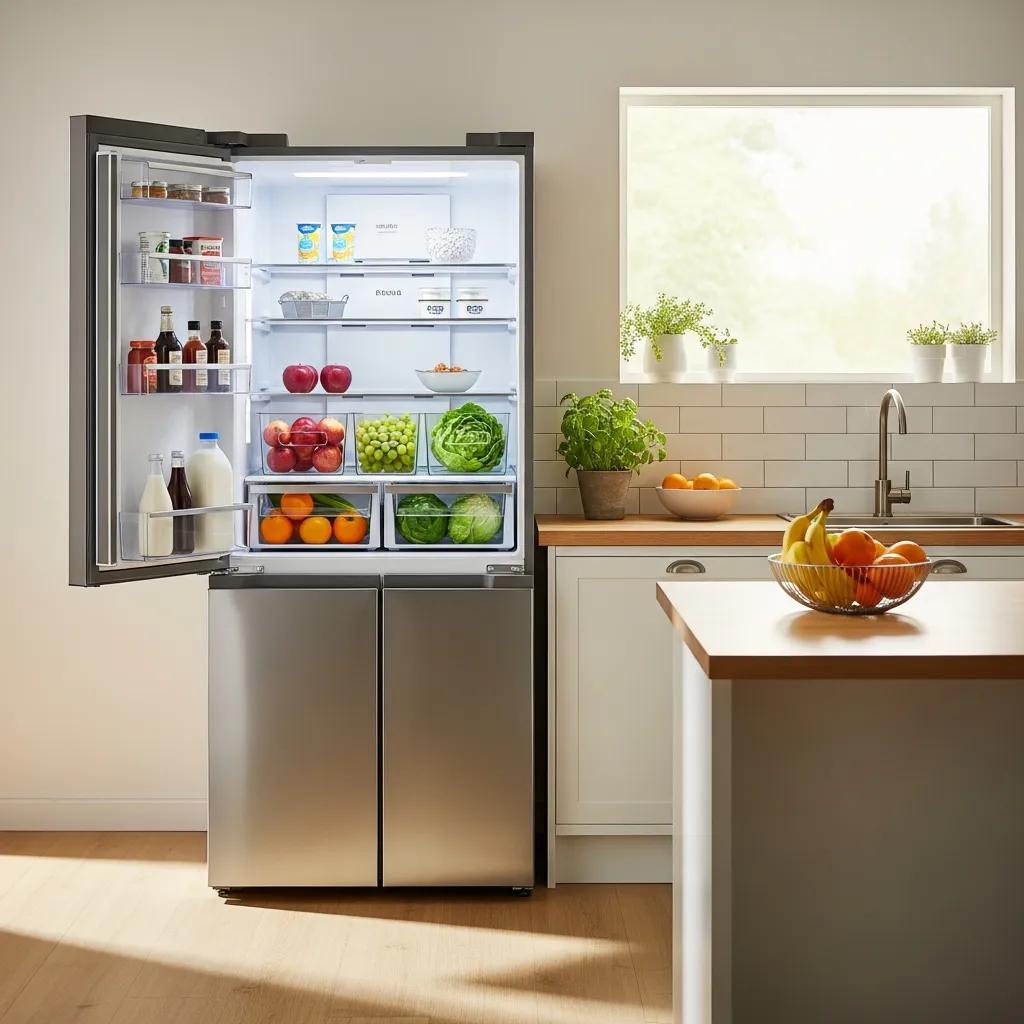
Refrigerator Not Cooling? Expert Diagnosis and Reliable Repair Solutions
When your refrigerator stops cooling, it can lead to food spoilage and increased energy costs. Understanding the common causes and effective troubleshooting methods can help you address the issue promptly. This article will guide you through diagnosing cooling failures and provide reliable repair solutions. You will learn about the main reasons refrigerators fail to cool, expert diagnosis methods, and step-by-step troubleshooting techniques. Additionally, we will discuss when to seek professional help and how preventative maintenance can keep your refrigerator running efficiently.
Common Causes of Cooling Failure
Refrigerators can fail to cool for several reasons, and identifying these causes is the first step in troubleshooting. Common issues include:
- Faulty Thermostat: A malfunctioning thermostat can prevent the refrigerator from maintaining the correct temperature.
- Dirty Condenser Coils: Dust and debris on the condenser coils can hinder heat dissipation, leading to cooling problems.
- Compressor Problems: The compressor is essential for circulating refrigerant; if it fails, the refrigerator will not cool effectively.
Understanding these causes can help you pinpoint the issue more accurately and take appropriate action.
Expert Diagnosis Methods

Diagnosing refrigerator issues requires a systematic approach. Here are some expert methods to identify the problem:
- Error Codes: Many modern refrigerators display error codes that can indicate specific issues. Refer to the user manual for guidance on interpreting these codes.
- Visual Inspection: Check for visible signs of wear or damage, such as frayed wires or leaks around the door seals.
- Temperature Testing: Use a thermometer to check the internal temperature of the refrigerator and freezer compartments. This can help determine if the cooling system is functioning properly.
These methods can provide valuable insights into the underlying issues affecting your refrigerator’s performance.
Step-by-Step Troubleshooting Techniques
If your refrigerator is not cooling, follow these troubleshooting techniques to identify and potentially resolve the issue:
- Check the Thermostat: Ensure the thermostat is set to the correct temperature. If it is malfunctioning, it may need replacement.
- Clean the Condenser Coils: Regularly clean the coils to remove dust and debris, which can improve cooling efficiency.
- Inspect Door Seals: Ensure that the door seals are intact and sealing properly. Damaged seals can allow cold air to escape, leading to cooling failures.
By systematically addressing these areas, you can often resolve common cooling issues without professional assistance.
Reliable Repair Solutions

If troubleshooting does not resolve the cooling problem, it may be time to consider professional repair solutions. Here are some options:
- Professional Repair Services: Hiring a qualified technician can ensure that the problem is diagnosed accurately and repaired effectively.
- Replacement Parts: If specific components, such as the thermostat or compressor, are faulty, replacing them may restore cooling functionality.
- Regular Maintenance: Scheduling routine maintenance can help prevent future cooling issues and extend the lifespan of your refrigerator.
For those in need of expert assistance, Appliance Expert is a Toronto-based appliance repair service specializing in diagnosing and fixing major household appliances, including refrigerators.
The importance of skilled technicians in this field is underscored by comprehensive training programs designed to equip professionals with the necessary expertise.
Appliance Repair Training & Refrigeration Skills
Designed for use by instructors of appliance repair to help establish a uniform curriculum, this manual presents a basic course of study. Individual instructors can add or delete jobs or lessons to suit their particular teaching situations. Contents include the course philosophy, listing of course objectives and activities to achieve them, plan of instructional practice, listing of appliance repair reference materials, bibliography, listing of resources for visual aids, and course outline. These seven units are included: orientation, basic electricity, basic shop tools, laundry equipment, kitchen equipment, and refrigeration. Job sheets, operation sheets, information sheets, and assignment sheets are provided. Job sheets (student practice in developing skill competencies) define materials and tools needed, competence procedures/steps cross-indexed to related operation sheet(s), and method of evaluation.
Trade and Industrial Education Course of Study for Appliance Repair., 1980
Conclusion
Understanding the common causes of refrigerator cooling failures and employing effective troubleshooting techniques can help you address issues promptly. If problems persist, seeking professional repair services is advisable to ensure your refrigerator operates efficiently. Regular maintenance is also crucial in preventing future issues and prolonging the life of your appliance.