Expert Toronto | Appliance Repair Services
- info@appliance-expert.ca
- +1 (437) 600-6066

Why Your Washing Machine Won't Spin (And How to Fix It)
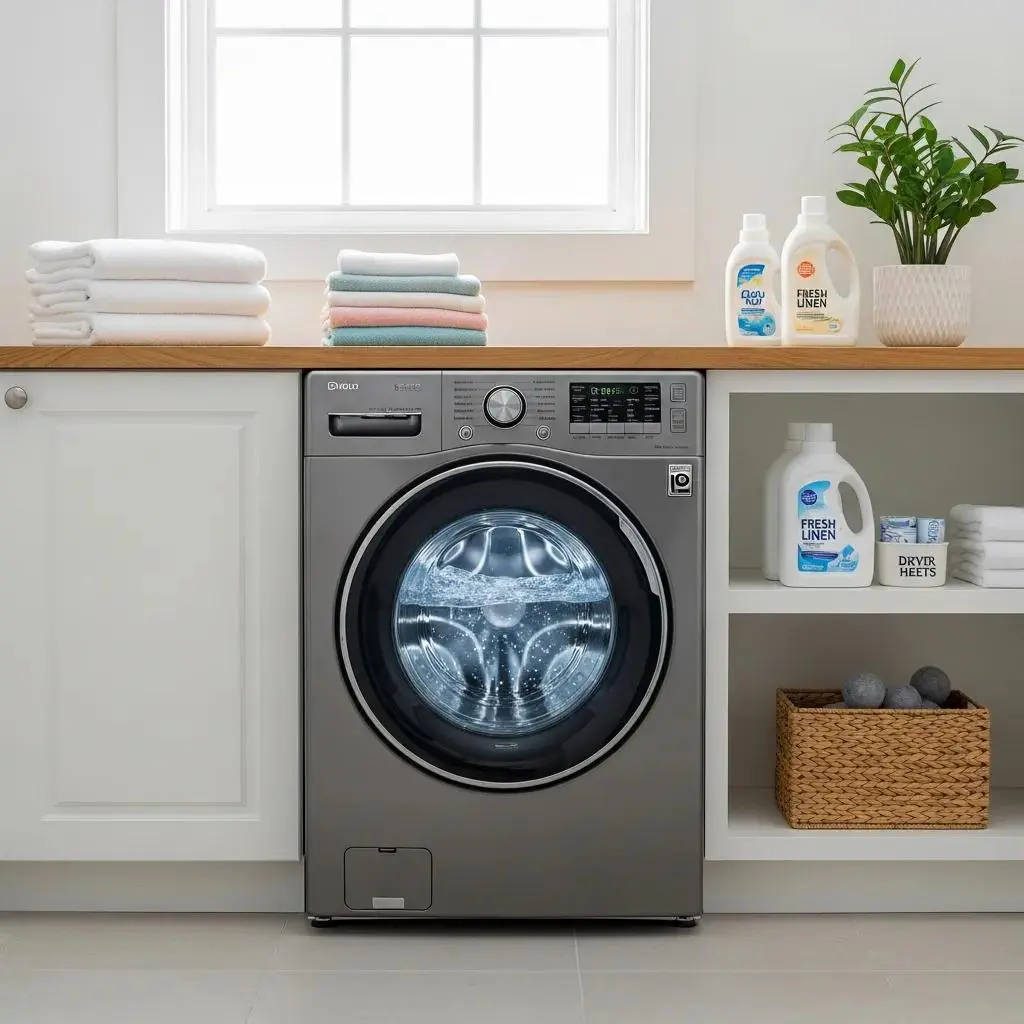
Why Your Washing Machine Won't Spin: Expert Causes and Reliable Fixes in Toronto
A washing machine that won’t spin can be a frustrating experience, often leaving you with wet clothes and a sense of helplessness. Understanding the reasons behind this common issue is crucial for effective troubleshooting and repair. In this article, we will explore the various causes of washing machine spin failures, along with reliable fixes that can help restore your appliance’s functionality. We will also discuss considerations specific to Toronto residents, including local repair services. By the end of this guide, you will have a comprehensive understanding of why your washing machine may not be spinning and how to address the problem effectively.
Washing Machine Won’t Spin: Causes & Toronto Fixes
Identifying the reasons why washing machines fail to spin is essential for effective troubleshooting. Several factors can contribute to this issue, including mechanical failures, electrical problems, and user errors. Understanding these causes can help you determine the best course of action to resolve the problem.
- Broken Belt: A worn or broken drive belt can prevent the drum from spinning.
- Motor Issues: Problems with the motor can hinder the spinning process.
- Faulty Lid Switch: If the lid switch is malfunctioning, the machine may not spin as a safety precaution.
- Overloaded Washer: Excessive laundry can cause the machine to become unbalanced, preventing it from spinning.
- Clogged Drain: A blocked drain can lead to water retention, stopping the spin cycle.
Reliable Fixes:
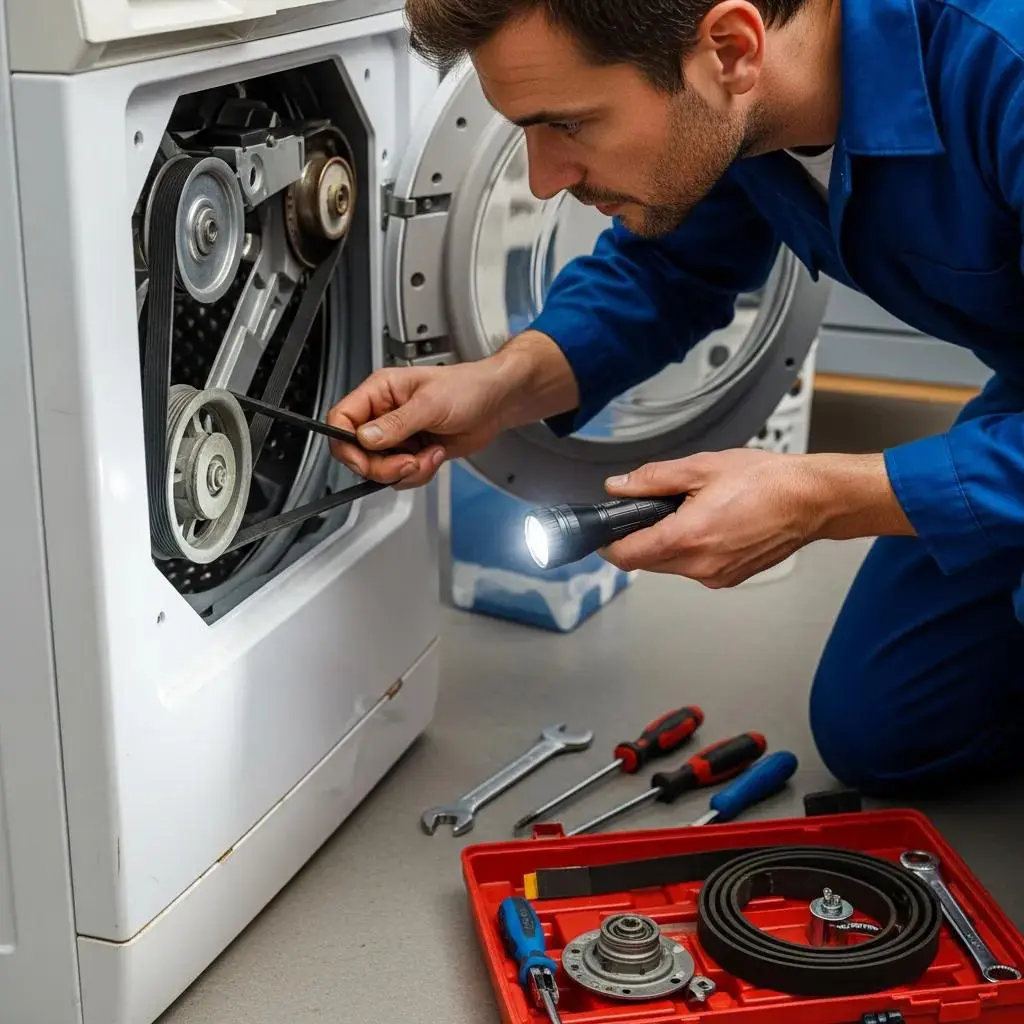
Providing solutions to the common causes of spin failures can empower you to take action. Here are some reliable fixes to consider:
- Inspect and Replace the Belt: Check the drive belt for wear and replace it if necessary.
- Motor Repair: If the motor is faulty, it may need professional repair or replacement.
- Check the Lid Switch: Test the lid switch for functionality and replace it if it’s defective.
- Balance Loads: Ensure that the washer is not overloaded and that the load is balanced.
- Clear Clogs: Inspect and clear any blockages in the drain to allow proper water flow.
After addressing these common issues, if your washing machine still won’t spin, it may be time to consider professional assistance.
Considerations for Toronto Residents:

For residents in Toronto, local service options can provide quick and effective solutions for washing machine issues. Here are some benefits of contacting a professional repair service:
- Professional Repair Services: Trained technicians can diagnose and fix complex problems that may not be easily resolved through DIY methods.
- Emergency Support: Many local services offer emergency repairs, ensuring that you are not left without a functioning washing machine for long.
- Transparent Pricing: Local repair services often provide clear pricing structures, helping you understand the costs involved upfront.
If you find yourself in need of assistance, Appliance Expert is a Toronto-based appliance repair service specializing in major household appliances, including washing machines. You can reach them at +1 (437) 600-6066 for reliable support.
What Are the Most Common Causes of Washing Machine Spin Cycle Failures?
Understanding the common causes of spin cycle failures can help you troubleshoot effectively. Here are the primary reasons:
- Mechanical Issues: Mechanical failures, such as a broken belt or faulty motor, can prevent the washer from spinning.
- Electrical Problems: Issues with the control board or wiring can disrupt the spin cycle.
- User Errors: Overloading the washer or selecting the wrong cycle can lead to spin failures.
Mechanical Issues:
Mechanical problems that affect spinning often stem from wear and tear on components. A broken belt is a common culprit, as it directly connects the motor to the drum. If the belt is damaged, the drum will not spin. Additionally, a faulty motor can prevent the washer from operating altogether. Regular maintenance can help identify these issues before they lead to complete failure.
Electrical Problems:
Electrical issues can also play a significant role in spin cycle failures. A faulty control board may not send the correct signals to the motor, while wiring issues can disrupt the power supply. Diagnosing these problems often requires a professional technician, as they can involve complex electrical systems.
User Errors:
Sometimes, the cause of a washing machine not spinning is simply user error. Overloading the washer can lead to an unbalanced load, preventing the spin cycle from engaging. Additionally, selecting the wrong cycle can result in the machine not spinning as expected. Always refer to the user manual for guidance on proper loading and cycle selection.
Indeed, the role of user manuals in facilitating effective diagnosis and repair of household appliances is well-documented.
User Manuals for Appliance Fault Diagnosis & Repair
user manuals can play a relevant role in facilitating them. They are the accredited source of product information for end users and are therefore sought as an important means for the diagnosis and subsequent repair of household appliances. In this study, we analysed current guidance provided by manuals for the diagnosis process, answering the research question: ‘To what extent do user manuals provide sufficient information to diagnose the most frequent faults in household appliances?’
How user manuals support the diagnosis of common faults in household appliances: An analysis of 150 manuals, B Pozo Arcos, 2023
How Do Motor Problems Affect Washer Spinning?
Motor problems can significantly impact a washing machine’s ability to spin. The motor is responsible for driving the drum, and any issues with it can halt the spinning process. Symptoms of motor failure may include unusual noises, failure to start, or the drum not spinning at all. Diagnosing motor issues typically requires professional assistance, as it involves checking electrical connections and motor functionality.
What Role Does the Lid Switch Play in Spin Cycle Issues?
The lid switch is a critical safety feature in washing machines. It prevents the machine from spinning when the lid is open, ensuring user safety. If the lid switch is faulty, it may incorrectly signal that the lid is open, preventing the spin cycle from engaging. Testing the lid switch for functionality is essential, and replacement may be necessary if it is found to be defective.
How Can You Diagnose Washing Machine Spin Problems Safely?
Diagnosing washing machine spin problems can be done safely by following these steps:
- Safety Precautions: Always unplug the machine before performing any diagnostic checks.
- Check for Blockages: Inspect the drain and hoses for clogs that may prevent proper drainage.
- Test the Lid Switch: Ensure the lid switch is functioning correctly by testing it with a multimeter.
By following these steps, you can identify potential issues without risking injury or further damage to the appliance.
Further research highlights the importance of systematic defect detection and diagnostics in washing machines to ensure optimal performance and longevity.
Washing Machine Defect Detection & Diagnostics
washing machine and on a machine exhibiting the most frequent defects to be detected in production line allowed providing an overview of this problem
On-line diagnostics of washing machines: design issues for the optimization of the measurement set-up, N Paone, 2008
What DIY Fixes Can You Try for Washing Machine Spin Cycle Issues?
If you’re comfortable with basic repairs, there are several DIY fixes you can try for washing machine spin cycle issues:
- Inspect the Drive Belt: Check for wear and replace if necessary.
- Test the Lid Switch: Use a multimeter to ensure the lid switch is functioning properly.
- Balance the Load: Adjust the load in the washer to ensure it is balanced.
These simple steps can often resolve common spin cycle issues without the need for professional help.
When Is Washing Machine Belt Replacement a Viable Solution?
Replacing the washing machine belt is a viable solution when you notice signs of wear, such as fraying or cracking. Additionally, if the drum fails to spin despite the motor running, a broken belt is likely the cause. The replacement process typically involves removing the front or back panel of the washer, depending on the model. Always refer to the user manual for specific instructions on your appliance.
When Should You Call Appliance Expert for Professional Washer Repair in Toronto?
There are several scenarios where calling Appliance Expert for professional washer repair is advisable:
- Not Draining: If the washer is not draining properly, it may indicate a more serious issue.
- Not Spinning: Persistent spin issues that do not resolve with DIY fixes warrant professional attention.
- Leaking Water: Any signs of water leakage should be addressed immediately to prevent further damage.
- Unusual Noises: Strange sounds during operation can indicate mechanical problems that require expert diagnosis.
- Excessive Vibrations: If the washer vibrates excessively, it may need professional balancing or repair.
Appliance Expert specializes in diagnosing and repairing these issues, ensuring your washing machine is back in working order.
What Are the Benefits of Certified Technician Repairs?
Choosing certified technicians for appliance repairs offers several advantages:
- Expertise: Certified technicians have the training and experience to diagnose and fix complex issues accurately.
- Warranty Coverage: Many repairs come with a warranty, providing peace of mind for future issues.
- Cost Savings: Professional repairs can prevent further damage, saving you money in the long run.
By opting for certified repairs, you ensure that your appliance is handled with care and expertise.
How Does Transparent Pricing and Fast Service Ensure Customer Satisfaction?
Transparent pricing and fast service are crucial for customer satisfaction in appliance repair. Customers appreciate knowing the costs upfront, which helps them make informed decisions. Additionally, quick service minimizes the inconvenience of a malfunctioning appliance. Appliance Expert prides itself on providing clear pricing and efficient service, ensuring that customers are satisfied with their experience.
| Cause | Description | Solution |
|---|---|---|
| Broken Belt | A worn or broken drive belt prevents spinning. | Inspect and replace the belt. |
| Motor Issues | Faulty motor can halt the spin cycle. | Repair or replace the motor. |
| Faulty Lid Switch | A malfunctioning lid switch stops the spin cycle. | Test and replace the lid switch. |
This table summarizes common causes of washing machine spin failures and their corresponding solutions, providing a quick reference for troubleshooting.