
Why Is My Dishwasher Not Draining? (Common Causes & Fixes)
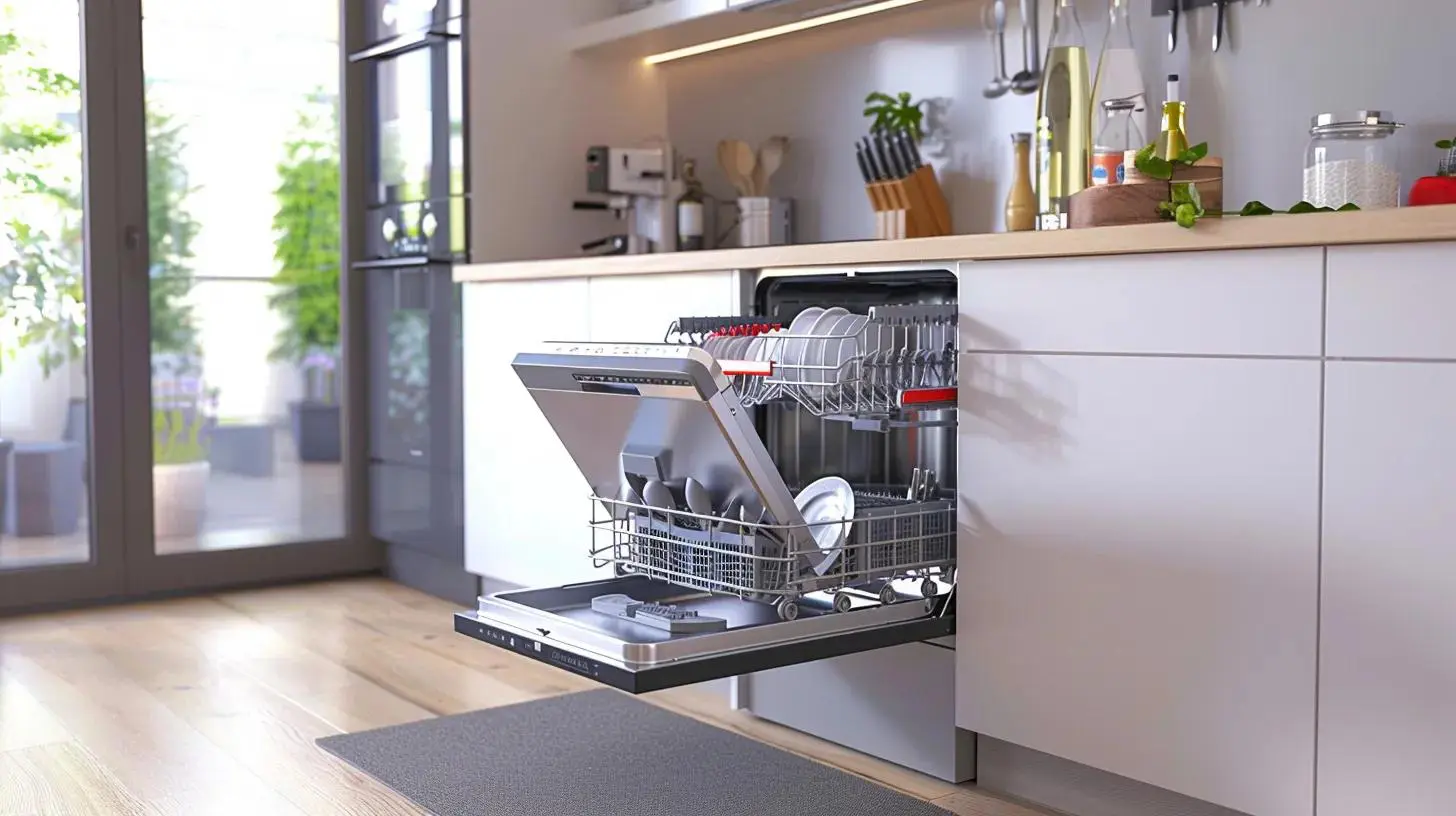
Why Is My Dishwasher Not Draining? Common Causes and Reliable Fixes for Toronto Homeowners
By Alexander Moore, www.appliance-expert.ca
Experiencing a dishwasher that won’t drain can be frustrating for homeowners in Toronto. Understanding the common causes behind this issue is essential for effective troubleshooting and repair. In this article, we will explore the various reasons why dishwashers fail to drain properly, along with reliable fixes that can help restore functionality. Many homeowners face drainage problems due to clogged hoses, filters, or faulty components, leading to water pooling at the bottom of the appliance. By identifying these issues early, you can save time and money on repairs. We will cover the most common causes of dishwasher drainage problems, practical solutions, and when to seek professional help from experts like Appliance Expert, a trusted appliance repair service in Toronto.
Common causes of dishwashers not draining for homeowners in Toronto include:
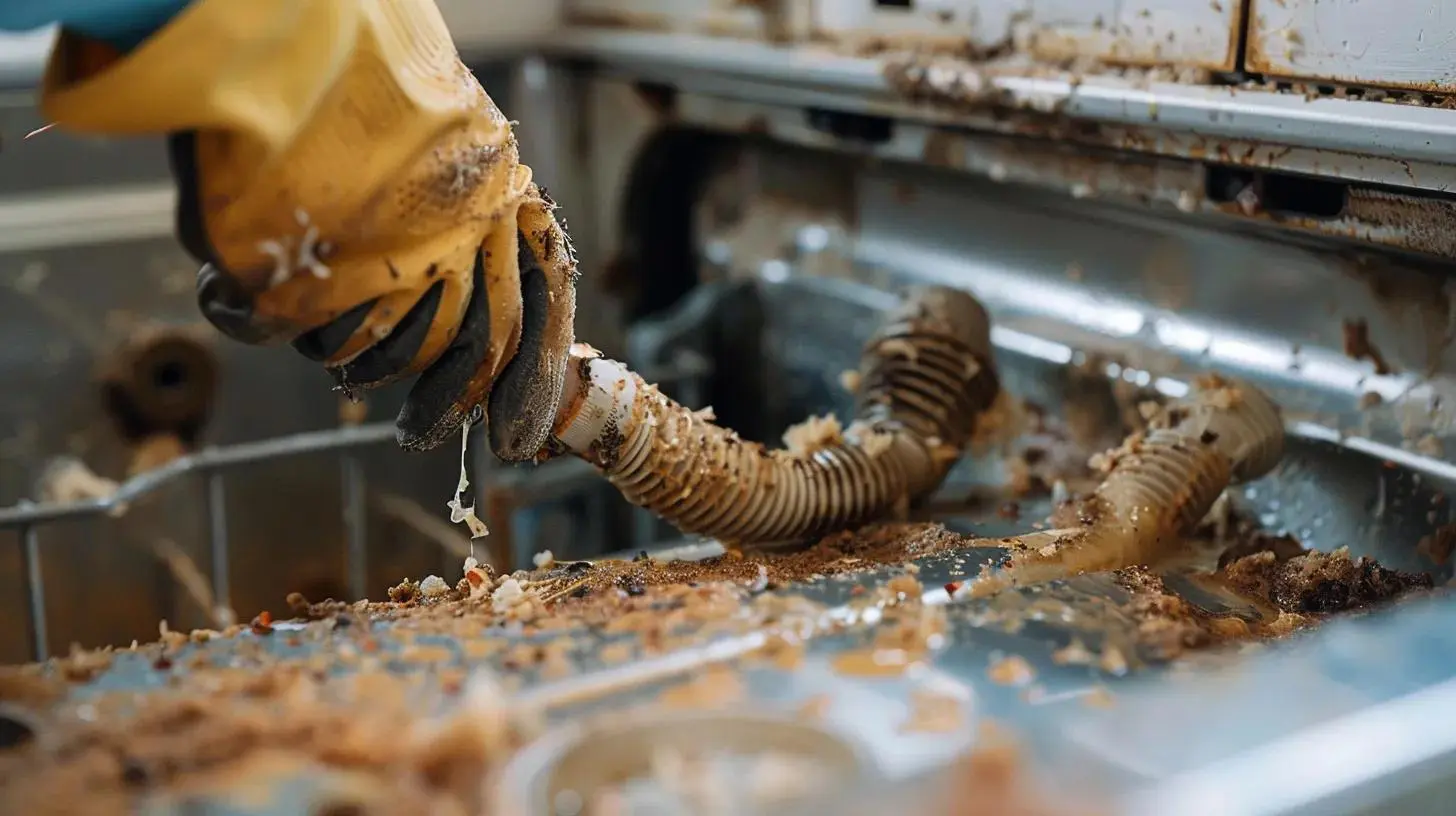
Understanding the reasons behind a dishwasher’s failure to drain is crucial for effective troubleshooting. Here are some common causes:
Clogged Drain Hose
A clogged drain hose is one of the most frequent culprits behind drainage issues in dishwashers. When food particles, grease, or debris accumulate in the hose, they can obstruct the flow of water, preventing it from draining properly. Symptoms of a clogged drain hose include water pooling at the bottom of the dishwasher and slow drainage during cycles. To inspect and clear the hose, disconnect it from the dishwasher and check for blockages. A simple cleaning can often resolve the issue.
Clogged Filter
The filter in your dishwasher plays a vital role in trapping food particles and debris. When it becomes clogged, it can hinder water drainage. Symptoms of a clogged filter include dirty water remaining in the bottom of the dishwasher after a cycle. To clean the filter, remove it according to the manufacturer’s instructions and rinse it under warm water. Regular cleaning of the filter is recommended to prevent future clogs.
Faulty Drain Pump
The drain pump is responsible for expelling water from the dishwasher. If it malfunctions, water may not drain effectively. Symptoms of a faulty drain pump include unusual noises during operation or water remaining in the bottom of the appliance. To test the pump, listen for sounds when the dishwasher is supposed to drain. If it is silent, the pump may need to be replaced.
Broken Float Switch
The float switch is a safety device that prevents overfilling by detecting the water level in the dishwasher. If it is broken or stuck, it may signal the dishwasher to stop draining. Symptoms of a broken float switch include water not draining and the dishwasher not starting. To check the float switch, locate it inside the dishwasher and ensure it moves freely. If it is stuck, cleaning or replacing it may be necessary.
Improper Installation
Sometimes, improper installation can lead to drainage issues. If the dishwasher is not level or the drain hose is incorrectly positioned, it can cause water to back up. Symptoms of improper installation include water pooling and inconsistent drainage. To correct this, ensure the dishwasher is level and that the drain hose is installed according to the manufacturer’s guidelines.
Frozen Drain Line
In colder climates, a frozen drain line can prevent water from draining. Symptoms of a frozen drain line include water not draining and ice buildup visible in the line. To check for this issue, inspect the drain line for any signs of freezing. Thawing the line with warm water or a hairdryer can resolve the problem.
Electrical Malfunctions
Electrical issues can also affect the dishwasher’s ability to drain. Symptoms of electrical malfunctions include the dishwasher not responding or failing to complete cycles. To troubleshoot, check the power supply and ensure the dishwasher is plugged in. If electrical problems persist, consulting a professional may be necessary.
Reliable Fixes
When faced with a dishwasher that won’t drain, there are several reliable fixes you can try before calling a professional. Regular maintenance and timely interventions can often resolve these issues effectively.
- Inspect and Clean the Drain Hose: Regularly check the drain hose for clogs and clean it to ensure proper water flow.
- Clean the Filter: Remove and clean the filter regularly to prevent debris buildup that can hinder drainage.
- Test the Drain Pump: Listen for the drain pump’s operation during the drain cycle. If it is silent, consider replacing it.
- Check the Float Switch: Ensure the float switch is functioning correctly and not stuck.
- Verify Installation: Make sure the dishwasher is level and the drain hose is correctly positioned to avoid backflow.
- Thaw Frozen Lines: If you suspect freezing, carefully thaw the drain line to restore functionality.
For homeowners in Toronto, if these fixes do not resolve the issue, it may be time to call in the experts. Appliance Expert specializes in appliance repair, including dishwashers, and can provide reliable solutions for drainage problems.
While many issues can be resolved with DIY methods, some complex obstructions may require expert intervention, as highlighted by historical advice on drainage problems.
Resolving Appliance Drainage Obstructions
If you are in doubt as to where the obstruction is located call a competent drain man and arrange to have the obstruction removed.
Defective drainage and allied problems, 1961
What Are the Most Common Dishwasher Drainage Problems?
Several common drainage problems can affect dishwashers, leading to inefficient operation and potential damage. Here are the most frequently encountered issues:
- Clogged Filters: Prevent water from draining effectively.
- Blocked Drain Hoses: Obstruct water flow and cause backups.
- Faulty Drain Pumps: Fail to expel water, leading to pooling.
Understanding these problems can help homeowners take proactive measures to maintain their dishwashers.
How Do Clogged Drain Hoses and Filters Cause Drainage Issues?
Clogged drain hoses and filters can significantly impact a dishwasher’s performance. When food particles and debris accumulate, they obstruct the flow of water, leading to inefficient drainage. This can result in water pooling at the bottom of the appliance, creating an unsanitary environment and potential damage to the dishwasher. Regular maintenance, including cleaning the filter and inspecting the drain hose, is essential to prevent these issues.
What Role Does a Faulty Drain Pump Play in Dishwasher Water Not Draining?
The drain pump is a critical component of the dishwasher’s drainage system. If the pump is faulty, it may fail to expel water effectively, leading to drainage problems. Symptoms of a malfunctioning drain pump include unusual noises during operation and water remaining in the bottom of the dishwasher. Regularly testing the pump and addressing any issues promptly can help maintain optimal performance.
How Can I Diagnose and Fix Dishwasher Drain Pump Issues?
Diagnosing drain pump issues involves a few simple steps:
- Listen for Sounds: During the drain cycle, listen for the pump’s operation. If it is silent, it may be faulty.
- Check for Blockages: Inspect the pump for any debris or clogs that may hinder its function.
- Test the Pump: If necessary, consult the manufacturer’s guidelines for testing the pump’s electrical components.
If these steps do not resolve the issue, consider contacting a professional for assistance.
Understanding the intricacies of appliance design is crucial for effective fault diagnosis, a principle that extends to identifying issues within your dishwasher’s drain pump.
Household Appliance Fault Diagnosis
diagnose faults in household appliances and how the design of these appliances facilitates or hampers the process of fault diagnosis.
Practices of fault diagnosis in household appliances: Insights for design, BP Arcos, 2020
When Is Drain Pump Replacement Necessary for Effective Dishwasher Repair?
Drain pump replacement may be necessary when the pump is found to be faulty and cannot be repaired. Signs that replacement is needed include persistent drainage issues, unusual noises, and failure to operate during the drain cycle. Consulting a professional can help determine the best course of action for effective repair.
What Are the Best DIY Methods to Fix a Clogged Dishwasher Drain?
Homeowners can employ several DIY methods to address clogged dishwasher drains effectively:
- Use a Wet/Dry Vacuum: This can help remove debris from the drain hose.
- Baking Soda and Vinegar: Pouring a mixture of baking soda and vinegar down the drain can help break down clogs.
- Hot Water Flush: Running hot water through the drain can help dissolve grease and food particles.
These methods can often resolve minor clogs without the need for professional intervention.
How Do I Clean the Dishwasher Drain Hose and Filter Safely?
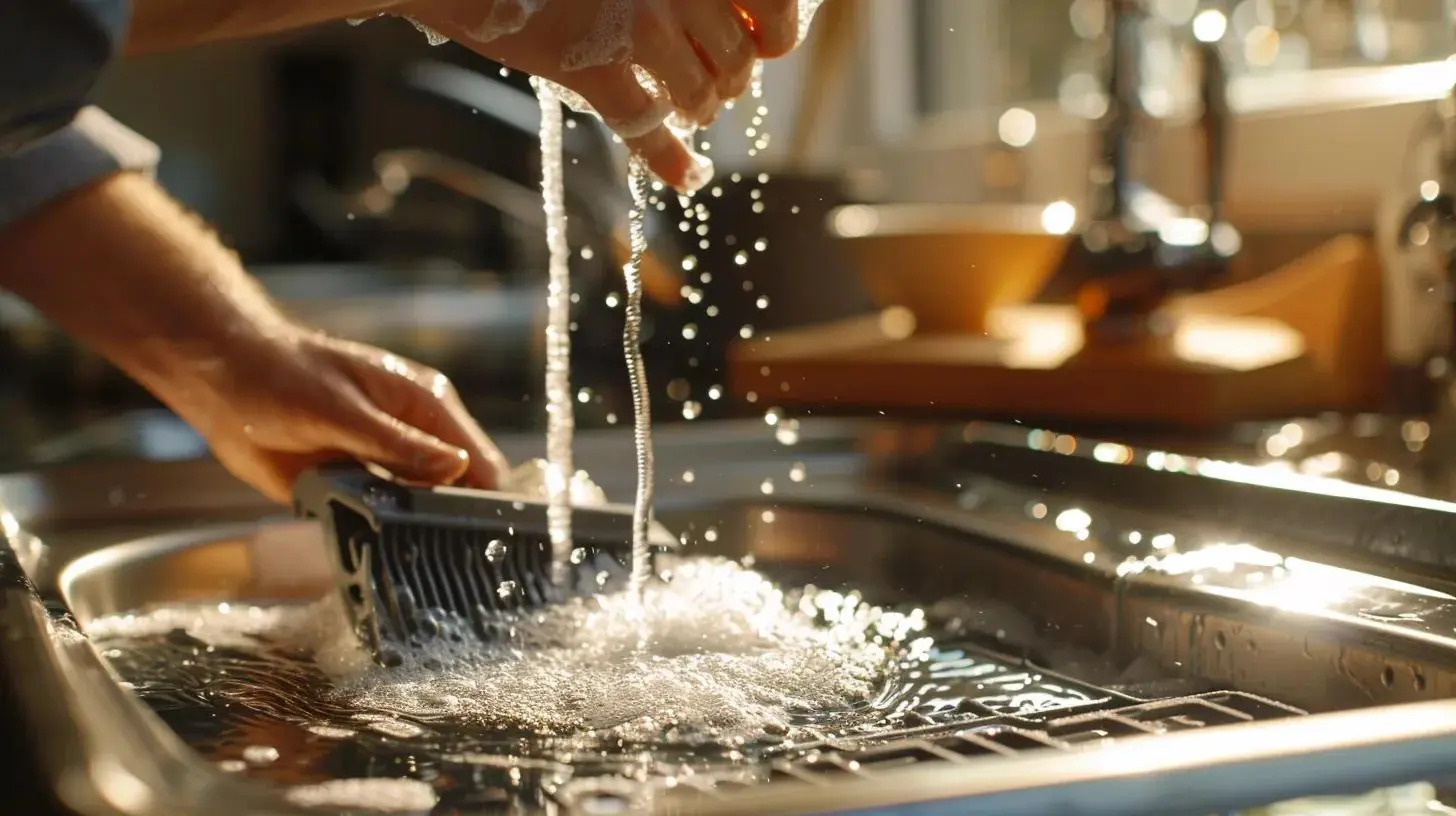
Cleaning the dishwasher drain hose and filter is a straightforward process:
- Disconnect the Power: Always ensure the dishwasher is unplugged before cleaning.
- Remove the Filter: Follow the manufacturer’s instructions to remove the filter and rinse it under warm water.
- Inspect the Drain Hose: Detach the hose and check for clogs. Clean it thoroughly before reattaching.
Regular cleaning can prevent drainage issues and extend the lifespan of your dishwasher.
Which Tools and Steps Are Recommended for Homeowners in Toronto?
Homeowners can benefit from having a few essential tools on hand for dishwasher maintenance:
- Screwdriver: For removing panels and accessing internal components.
- Wet/Dry Vacuum: Useful for clearing clogs from the drain hose.
- Cleaning Brush: For scrubbing the filter and other components.
By following these steps and using the right tools, homeowners can effectively maintain their dishwashers and prevent drainage issues.
When Should I Call Professional Dishwasher Repair Services in Toronto?
If you encounter persistent drainage problems despite attempting DIY fixes, it may be time to call professional repair services. Signs that you should seek help include:
- Unusual Noises: Indicating potential mechanical issues.
- Water Pooling: That does not resolve after cleaning.
- Electrical Problems: Such as the dishwasher not responding.
Appliance Expert offers reliable dishwasher repair services in Toronto, ensuring that your appliance is restored to optimal functionality.
What Are the Benefits of Hiring Certified Technicians for Dishwasher Drainage Repairs?
Hiring certified technicians for dishwasher repairs offers several advantages:
- Expertise: Professionals have the knowledge and experience to diagnose and fix complex issues.
- Quality Assurance: Certified technicians ensure repairs are done correctly, reducing the risk of future problems.
- Time Savings: Professionals can often complete repairs more quickly than DIY attempts.
Investing in professional services can save homeowners time and money in the long run.
How Does Transparent Pricing and Fast Service Ensure Reliable Repairs?
Transparent pricing and fast service are essential for reliable appliance repairs. Homeowners can benefit from knowing the costs upfront, allowing them to budget effectively. Additionally, prompt service ensures that issues are addressed quickly, minimizing disruption to daily life. Appliance Expert is committed to providing clear pricing and efficient service for all appliance repair needs in Toronto.