
Preventive Maintenance Strategies for Expert Appliance
Preventive maintenance is crucial for maintaining the efficiency and longevity of commercial kitchen equipment. This type of maintenance program extends the lifecycle of appliances, reduces unexpected breakdowns, and ensures compliance with health regulations. As commercial kitchens operate under high stress, regular maintenance minimizes the risk of costly downtime and helps to uphold service quality. In this article, we will explore essential components of commercial kitchen equipment maintenance, the benefits of preventive maintenance plans, different service contract options, and how to ensure compliance and operational efficiency. Key discussions will also include the cost implications and techniques for integrating both preventive and emergency maintenance services effectively.
Preventive Maintenance Strategies for Expert Appliance
Essential components of commercial kitchen equipment maintenance focus on systematic checks and operational protocols that ensure appliances function optimally. Regular inspections play a vital role in identifying potential issues before they escalate, contributing significantly to equipment reliability. Standard practices include implementing thorough cleaning protocols and performing operational checks to assess performance and safety.
What Are the Standard Maintenance Schedules for Kitchen Appliances?
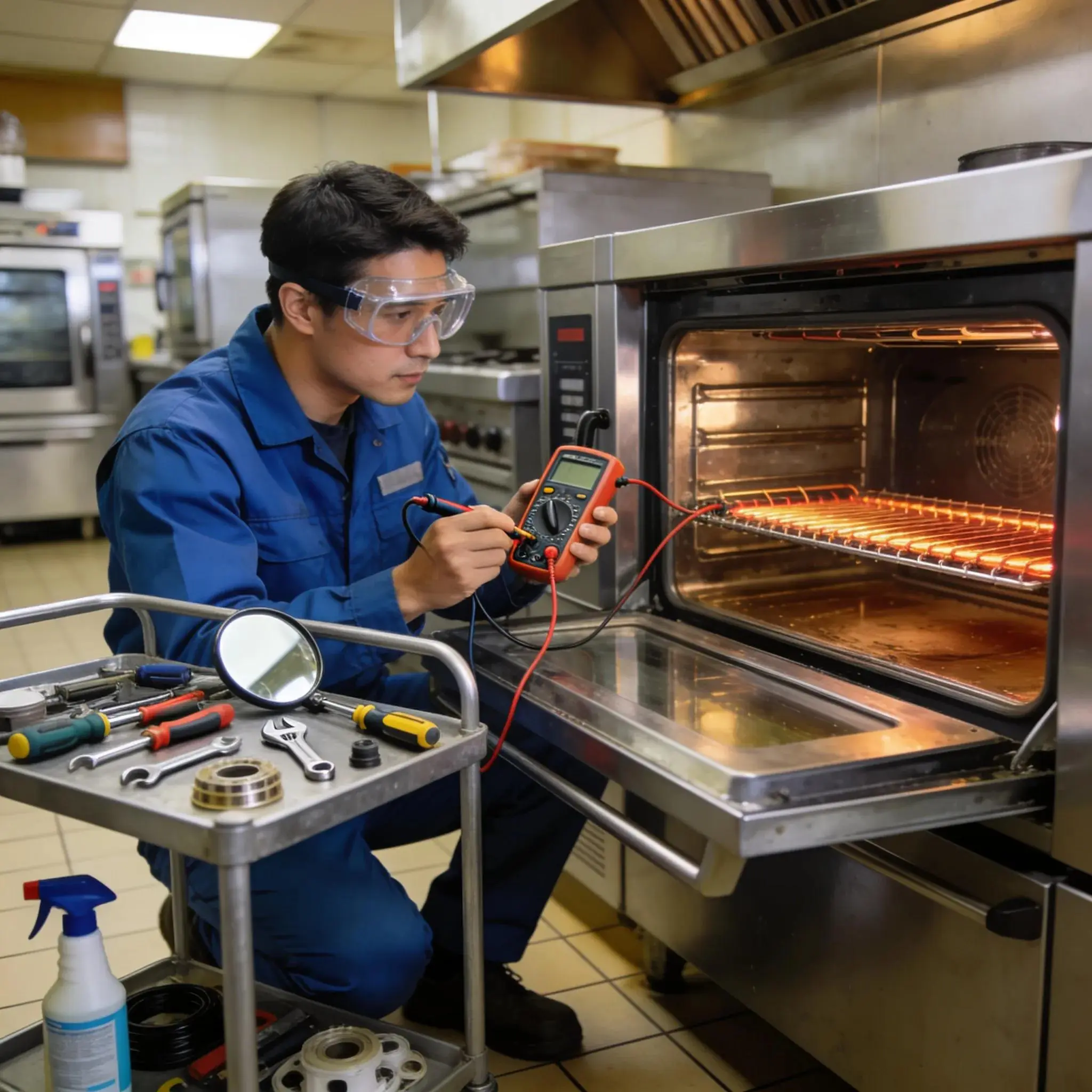
Establishing a structured maintenance schedule is fundamental for the upkeep of kitchen appliances. Here are recommended frequencies:
- Daily Checks: Routine cleaning tasks and immediate reporting of any irregularities should be performed to maintain hygiene and performance.
- Weekly Inspections: More thorough inspections should be conducted on equipment such as ovens and fryers, ensuring everything functions correctly and is free from grease buildup and contaminants.
- Monthly and Seasonal Maintenance: Tasks like deep cleaning, system checks, and component replacements should occur monthly or seasonally, depending on usage. This ensures that all parts are functioning smoothly, based on the type of appliance and its operational demands.
How Do Preventive Maintenance Plans for Restaurants Optimize Operational Reliability?
Implementing a preventive maintenance plan enhances operational reliability and boosts efficiency in commercial kitchens. These plans not only prolong the life of appliances but also contribute to a consistent service level, directly impacting customer satisfaction.
How Does Scheduled Maintenance Reduce Equipment Downtime by 30%?
Scheduled maintenance is proven to reduce equipment downtime significantly, with estimates showing reductions of up to 30%. By proactively addressing potential failures through regular inspections and maintenance, restaurants can avoid unexpected breakdowns. For example, regular checks on refrigeration systems can prevent costly spoiling of food due to equipment failures, ensuring that kitchen operations run smoothly.
What Service Contract Options Are Available for Commercial Appliance Maintenance?
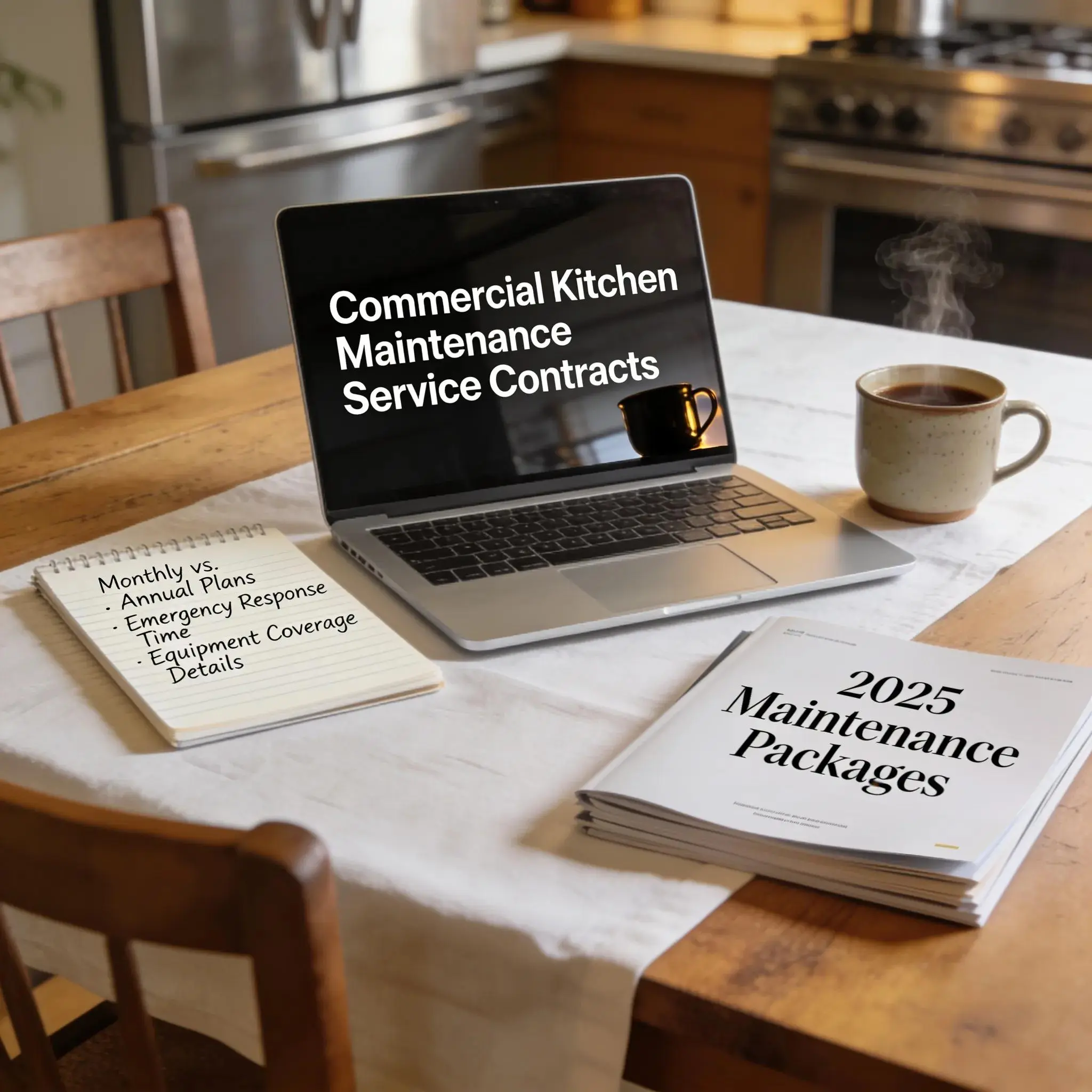
Service contracts provide an array of options tailored to the unique needs of commercial kitchens. Businesses can select contracts focusing on preventative care or those encompassing emergency repairs as well. Understanding these differences is critical for optimizing maintenance strategies.
What Factors Should Businesses Consider When Selecting Maintenance Contracts?
When selecting maintenance contracts, businesses should consider several factors:
- Cost vs. Services Offered: Compare the cost of the contract against the services provided to determine value.
- Provider Reputations: Researching provider reputation through reviews and testimonials is essential for informed decisions.
- Contract Terms Length: Evaluate the length of the contract, including flexibility in terms and conditions.
How Does Maintenance Scheduling Ensure Regulatory Compliance and Operational Efficiency?
Regular maintenance scheduling is a key strategy to ensure compliance with health and safety regulations while promoting operational efficiency. Compliance with regulatory standards not only protects the business from penalties but also maintains customer trust by ensuring safety.
How Can Digital Tools and IoT Integration Improve Maintenance Timing?
Digital tools and IoT integration can significantly enhance maintenance scheduling. These technologies enable real-time monitoring of equipment performance, allowing for timely maintenance actions. For example, sensors can alert management when temperature variances occur in refrigeration units, prompting immediate inspection before food safety is compromised.
What Are the Cost Implications and Return on Investment for Preventive Maintenance Programs?
Investing in preventive maintenance programs can yield substantial cost savings in the long run. While upfront costs may seem higher, these programs reduce the likelihood of emergency repairs and extend equipment longevity, translating to lower operational costs.
What Budgeting Strategies Support Effective Maintenance Program Adoption?
Implementing effective budgeting strategies is crucial for supporting preventive maintenance programs:
- Budgeting for Immediate vs. Long-term: Allocate funds specifically for ongoing maintenance alongside emergency reserves.
- Resource Allocation: Ensure that resources are distributed effectively between routine and unexpected maintenance needs.
- Importance of Reserves: Establishing financial reserves for emergency repairs helps mitigate potential business disruptions.
How Are Emergency and Repair Services Integrated With Preventive Maintenance Programs?
Integrating emergency and repair services with preventive maintenance ensures that businesses are prepared for unforeseen breakdowns. This integration leads to more efficient overall operations, as emergency situations can be handled promptly without disrupting scheduled maintenance.
What Are Best Practices for Coordinating Scheduled and Emergency Maintenance?
To coordinate scheduled and emergency maintenance effectively, businesses should implement best practices, such as:
- Communication Protocols: Establish clear communication channels among maintenance staff to ensure everyone is informed of schedules and priorities.
- Scheduling Methodologies: Use software or systems that can effectively manage and prioritize both scheduled maintenance and emergency repairs.
- Feedback Loops for Improvements: Collect feedback regularly to assess the effectiveness of the maintenance program and identify areas for improvement.
Different operational strategies for appliance management lead to distinct impacts on overall efficiency.
This comparison demonstrates how strategic maintenance planning optimizes kitchen operations and reduces potential downtime.
Maintaining the efficacy of commercial kitchen appliances is an ongoing challenge that demands both structured preventive strategies and reactive capabilities. Flagging maintenance issues early through scheduled service ultimately leads to a more efficient, reliable kitchen environment, crucial for the success of any commercial dining establishment.