

Diagnosing Refrigerator Cooling Failures with Expert Appliance
When your refrigerator fails to cool properly, it can lead to spoiled food and increased energy expenses. Understanding the reasons behind this malfunction is essential for every homeowner. This comprehensive guide explores the common causes of refrigeration failures, their symptoms, and effective solutions you can implement. From understanding compressor issues to troubleshooting fan motor problems, this article provides insight into the mechanisms behind cooling inefficiencies.
You will learn about various components that can lead to cooling failures, including the compressor, fan motor, thermostat, defrost system, refrigerant levels, and coils. Recognizing these issues early can save you both time and money. Additionally, we’ll discuss when it’s appropriate to call in a professional for repairs. Let’s dive into the world of refrigeration failures and their solutions.
What Are the Common Signs and Symptoms of a Fridge Compressor Failure?
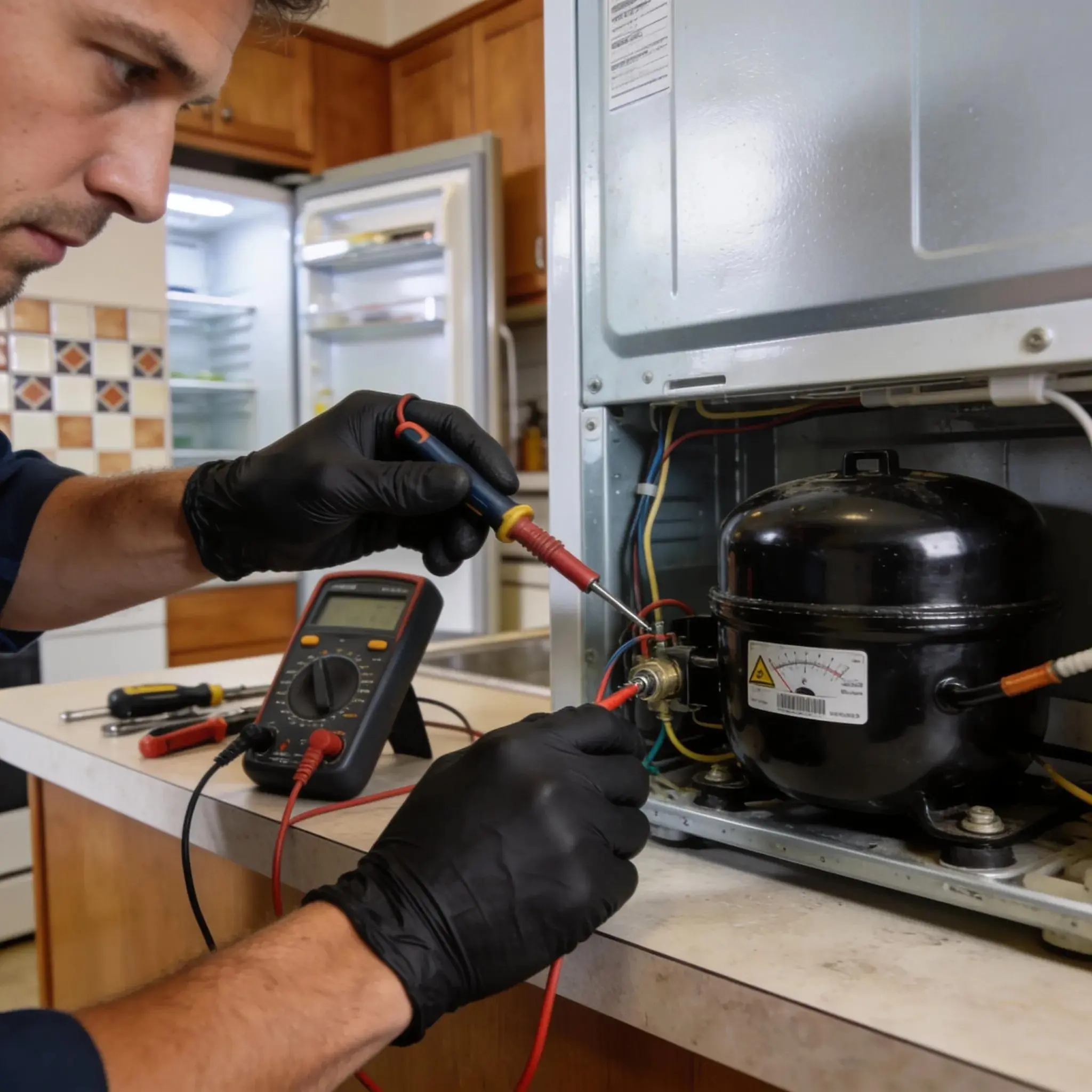
Compressor failures in refrigerators can manifest through various warning signs that indicate underlying issues. The compressor is crucial for maintaining cool temperatures, and when it malfunctions, it can lead to severe cooling problems. Common signs of compressor issues include unusual noises, warm temperatures inside the fridge, and the unit frequently cycling on and off.
Understanding these symptoms is vital for diagnosing compressor problems early, preventing further damage to your appliance, and saving on costly repairs.
How to Identify Compressor Malfunction Through Performance Indicators
To identify compressor malfunctions effectively, monitoring performance indicators is key. Some mechanical performance indicators include:
- Increased Noise Levels: Unusual sounds can indicate issues within the compressor that need addressing.
- Temperature Discrepancies: If the internal temperature fluctuates significantly, it may signal compressor failure.
- Electrical Symptoms: Frequent tripping of the circuit breaker can also point to a malfunctioning compressor.
Recognizing these indicators can help in diagnosing whether the compressor requires immediate attention or replacement.
What Repair and Replacement Options Are Available for Compressor Failures?
When dealing with compressor failures, homeowners have several repair and replacement options. Repairing minor issues may include recharging refrigerant or fixing leaks, which can be cost-effective. However, for more severe damage, compressor replacement may be necessary.
- Repair Minor Issues: If the compressor has minor issues, a service technician can recharge or repair it, typically costing between $150 to $300.
- Replacement Considerations: When considering a replacement, factors such as the age of the refrigerator and overall efficiency should be evaluated. A new compressor can cost between $300 to $500.
- Evaluate Costs: Always compare repair costs versus the cost of replacement to achieve the best long-term solution.
How Do Fan Motor and Airflow Issues Affect Refrigerator Cooling?
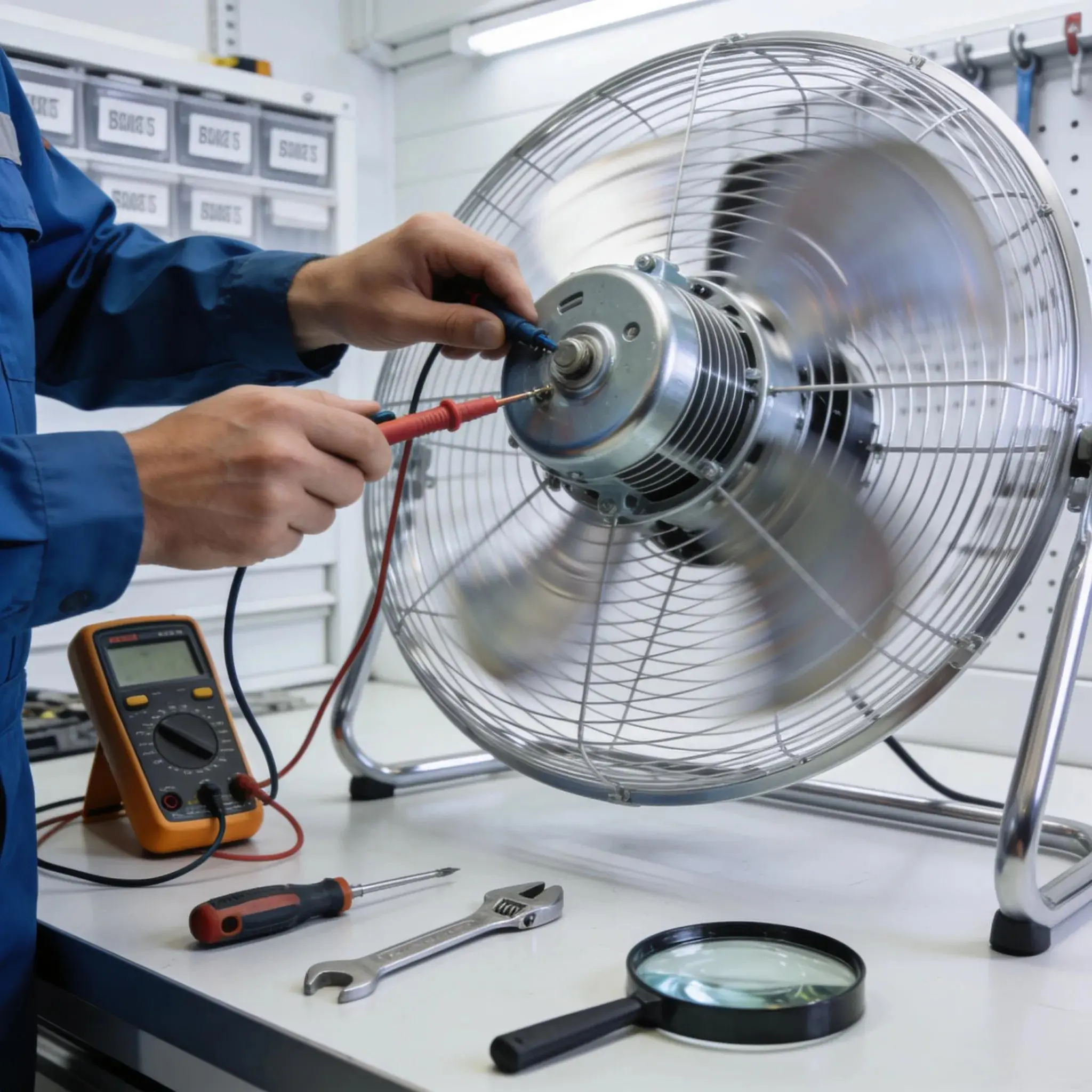
The fan motor plays a critical role in maintaining airflow, which directly impacts cooling efficiency within the refrigerator. Problems with the fan can lead to uneven cooling, poor temperature regulation, and increased energy consumption.
Understanding how airflow issues contribute to cooling failures is essential for keeping your fridge operating efficiently.
What Are the Signs of a Faulty Refrigerator Fan Motor?
Several symptoms indicate a malfunctioning fan motor that may hinder your refrigerator’s cooling capability:
- Noisy Operation: A loud fan can signal internal issues, which may require immediate attention.
- Inconsistent Cooling: If certain areas of the fridge are warm while others remain cold, the fan may not be circulating air properly.
- Frequent Start/Stop Cycles: If the fan motor cycles on and off frequently, it may be strained or damaged.
Recognizing these signs early can prompt timely repairs, preventing more significant failures.
How Can You Troubleshoot and Repair Fan and Airflow Problems?
Troubleshooting fan and airflow issues involves a few systematic steps:
- Inspect the Fan Motor: Check for visible damage, obstructions, or accumulated dust, which can impede performance.
- Test Fan Functionality: Manually spin the fan to ensure it turns freely. A stuck motor often signals a need for replacement.
- Evaluate Air Ducts: Ensure that air ducts are clear, allowing for optimal airflow throughout the refrigerator.
Implementing these troubleshooting steps can effectively identify and resolve fan-related issues, restoring efficient cooling performance.
Why Is Your Refrigerator Temperature Not Dropping? Understanding Thermostat and Temperature Control Failures
A functioning thermostat is crucial for monitoring and regulating the temperature within your fridge. If the thermostat is malfunctioning, it will not correctly report the temperature, leading to inadequate cooling.
Understanding the potential issues can help you restore proper cooling and protect your food.
What Causes Thermostat Sensor and Calibration Problems?
Thermostat issues can arise due to several factors, including:
- Faulty Sensor Readings: A damaged sensor may cause inaccurate temperature readings, leading to cooling failures.
- Calibration Errors: Sometimes, the thermostat needs recalibration to ensure it operates at the desired temperature settings.
- External Factors: Hindered airflow or heat sources near the thermostat can affect the readings.
Identifying the root cause will allow for targeted corrective actions, leading to better refrigeration performance.
How to Reset or Replace a Malfunctioning Thermostat to Restore Cooling
If you suspect your thermostat is malfunctioning, consider these steps for resetting or replacing it:
- Reset the Thermostat: Turn it off for a few minutes before turning it back on to see if it recalibrates.
- Replace If Necessary: If resetting doesn’t work, replacing the thermostat may be essential, with standard replacement costs ranging from $50 to $150.
- Professional Assessment: If unsure, consult a professional for accurate diagnosis and repair.
Taking these actions can ensure your refrigerator maintains the proper cooling levels once more.
How Does Defrost System Failure Cause Frost Buildup and Cooling Inefficiency?
The defrost system is integral to maintaining optimal temperatures within the fridge. Failure of this system may lead to frost accumulation, disrupting airflow and cooling efficiency.
Recognizing the signs of defrost system failure can facilitate prompt repairs.
What Are the Symptoms of a Defrost Heater or Timer Malfunction?
Defrost system failures can be identified through several symptoms:
- Frost Accumulation In the Freezer: Excess buildup of frost can signal that the defrost heater or timer isn’t functioning correctly.
- Inconsistent Temperatures: If temperatures fluctuate wildly, especially in the freezer compartment, it may indicate defrost issues.
- Unusual Sounds: Strange noises may arise as the icemaker and cooling systems struggle against buildup.
By identifying these symptoms, homeowners can address defrost system failures more effectively.
Which Steps Are Required to Troubleshoot and Fix Defrost-Related Problems?
When troubleshooting defrost-related issues, consider these key steps:
- Inspect Components: Examine the defrost heater and timer for wear or damage.
- Test the Heater: Use a multimeter to test the heater. If it does not have continuity, it may need replacement.
- Clean the Drain: Ensure the defrost drain is clear of blockages to prevent frost buildup.
Following these steps can significantly improve your refrigerator’s cooling efficiency and longevity.
What Role Do Refrigerant Leaks and Coil Conditions Play in Fridge Cooling Problems?
Refrigerant is essential for absorbing heat and cooling the air in the fridge. Leaks can lead to a loss of refrigerant, impairing the system’s efficiency. Understanding how to identify and address these issues is critical for proper equipment maintenance.
How to Detect Refrigerant Leaks and Assess Evaporator or Condenser Coil Frost
Detecting refrigerant leaks involves several tell-tale signs:
- Visible Ice Buildup: Ice forming on evaporator coils can indicate improper refrigerant flow.
- Pooling Fluid: Any pooling liquid under the fridge may signal a refrigerant leak.
- Unusual Noise: Hissing sounds can also suggest leaking refrigerant.
Being aware of these signs can help you evaluate your refrigerator’s condition promptly.
What Are the Standard Repair Approaches for Refrigerant Leaks and Coil Maintenance?
When addressing refrigerant leaks and coil conditions, common repair approaches include:
- Seal the Leak: A qualified technician can locate the leak and seal it, which usually costs between $150 and $300.
- Refrigerant Recharge: Once the leak is repaired, the system needs to be recharged with refrigerant.
- Routine Maintenance: Regular cleaning and inspection of coils can prevent future issues, improving the refrigerator’s overall efficiency.
Maintaining refrigerant levels and coil conditions is vital for your fridge’s effectiveness and longevity.
When Should You Call a Refrigerator Repair Professional? Signs and Cost Considerations for Effective Maintenance Decisions
While some refrigerator issues can be addressed through DIY fixes, other problems require professional intervention. Knowing when to call a repair technician is vital for maintaining proper refrigeration.
What Are Typical Repair Costs and Frequency for Cooling System Failures?
Understanding common costs can prepare homeowners for potential repairs. Typical repair costs include:
- Compressor Replacement: $300 to $500.
- Thermostat Replacement: $50 to $150.
- Fan Motor Repair or Replacement: $100 to $300.
These costs can vary based on location and service provider, so it’s vital to get multiple estimates when possible.
How to Evaluate If DIY Repair Is Viable Versus Professional Service?
When considering repairs, evaluate whether to proceed with DIY methods or call a professional:
- Technical Ability: If you are technically inclined, consider troubleshooting first.
- Cost vs. Risk: Balance potential savings against the risk of making issues worse.
- Complexity: For complex repairs, hiring a professional ensures accuracy and can prevent the need for further repairs down the line.
Understanding these considerations can help save money and ensure that cooling issues are resolved effectively.