
Fridge Not Cooling But Freezer Works? Here’s What’s Wrong

Fridge Cooling Failure: Professional Repair by Expert Appliance
By Alexander Moore, www.appliance-expert.ca
When your refrigerator is not cooling but the freezer is functioning, it can be a perplexing issue that disrupts your daily routine. Understanding the underlying causes of this problem is essential for effective troubleshooting and repair. This article will guide you through the common reasons why your fridge may not be cooling while the freezer continues to operate, as well as expert diagnosis methods and step-by-step troubleshooting techniques. By the end, you will know when to seek professional help and how to maintain your refrigerator for optimal performance.
Common Causes of Cooling Failure
Several factors can lead to a refrigerator not cooling while the freezer remains operational. Identifying these causes is the first step in resolving the issue effectively.
- Faulty Thermostat: A malfunctioning thermostat can prevent the fridge from receiving the correct temperature signals, leading to inadequate cooling.
- Dirty Condenser Coils: Dust and debris accumulation on the condenser coils can hinder heat dissipation, causing the fridge to overheat and fail to cool properly.
- Compressor Problems: The compressor is crucial for circulating refrigerant throughout the cooling system. If it fails, the fridge will not cool, even if the freezer is still functional.
Understanding these common causes can help you pinpoint the issue more accurately.
Expert Diagnosis Methods
Diagnosing cooling issues in refrigerators requires a systematic approach. Here are some expert methods to identify the problem:
- Error Codes: Many modern refrigerators display error codes that can indicate specific issues. Refer to the user manual to interpret these codes.
- Visual Inspection: Check for visible signs of wear or damage, such as frayed wires or leaks around the cooling system.
- Temperature Testing: Use a thermometer to measure the internal temperatures of both the fridge and freezer compartments to determine if they are within the normal range.
These diagnostic methods can help you understand the root cause of the cooling failure.
Step-by-Step Troubleshooting Techniques
If your refrigerator is not cooling, follow these troubleshooting steps to identify and potentially resolve the issue:
- Check the Thermostat: Ensure that the thermostat is set to the correct temperature and functioning properly.
- Clean the Condenser Coils: Regularly clean the coils to prevent dust buildup, which can affect cooling efficiency.
- Inspect Door Seals: Ensure that the door seals are intact and sealing properly to maintain the internal temperature.
By following these steps, you can often resolve minor cooling issues without professional assistance.
When to Seek Professional Help
While many cooling issues can be resolved through troubleshooting, there are times when professional help is necessary. Consider contacting a technician if you notice:
- Inconsistent Cooling: If the fridge temperature fluctuates significantly, it may indicate a deeper issue.
- Excessive Noise: Unusual sounds from the refrigerator can signal mechanical problems that require expert attention.
- Water Leaks: If you find water pooling around the fridge, it could indicate a malfunctioning component.
For reliable refrigerator repair services in Toronto, you can reach out to Appliance Expert at +1 (437) 600-6066 or via email at info@appliance-expert.ca.
What Causes a Refrigerator to Stop Cooling While the Freezer Still Works?
Understanding the specific causes of a refrigerator not cooling while the freezer operates is crucial for effective troubleshooting. Common issues include:
- Compressor Problems: If the compressor is not functioning correctly, it can lead to inadequate cooling in the fridge compartment.
- Evaporator Issues: A malfunctioning evaporator can prevent proper airflow, affecting the fridge’s cooling capabilities.
- Thermostat Malfunction: A faulty thermostat may not signal the compressor to operate, leading to cooling failures.
Recognizing these causes can help you take appropriate action.
How Do Refrigerator Cooling System Components Affect Temperature?
The cooling system of a refrigerator consists of several key components that work together to maintain the desired temperature. Understanding their roles can help you diagnose issues effectively:
- Compressor Role: The compressor circulates refrigerant through the system, enabling heat exchange and cooling.
- Thermostat Function: The thermostat regulates the temperature by controlling the compressor’s operation based on the internal temperature.
- Condenser Coils Importance: The condenser coils dissipate heat from the refrigerant, allowing it to cool down before re-entering the fridge.
Each component plays a vital role in maintaining optimal cooling performance.
Which Common Malfunctions Lead to Fridge Cooling Failure?
Several common malfunctions can lead to cooling failures in refrigerators. These include:
- Faulty Thermostat: A malfunctioning thermostat can disrupt the cooling cycle.
- Dirty Condenser Coils: Accumulated dirt can hinder heat dissipation, affecting cooling efficiency.
- Compressor Problems: A failing compressor can prevent proper refrigerant circulation.
Identifying these malfunctions is essential for effective repairs.
How Can You Diagnose Fridge Cooling Problems Effectively?
To diagnose fridge cooling problems effectively, consider the following methods:
- Check Thermostat Settings: Ensure the thermostat is set correctly and functioning.
- Clean Condenser Coils: Regular cleaning can prevent cooling issues caused by dirt buildup.
- Inspect Door Seals: Ensure that door seals are intact to maintain internal temperatures.
These steps can help you identify and resolve cooling issues.
What Are Step-by-Step Troubleshooting Methods for Fridge Temperature Issues?
When facing temperature issues in your fridge, follow these troubleshooting methods:
- Check Thermostat Settings: Ensure the thermostat is set to the appropriate temperature.
- Clean the Condenser Coils: Regular maintenance of the coils can prevent cooling failures.
- Inspect Door Seals: Ensure that the seals are functioning properly to maintain temperature.
By following these steps, you can often resolve temperature issues without professional help.
How to Identify Symptoms of Compressor or Evaporator Fan Failure?
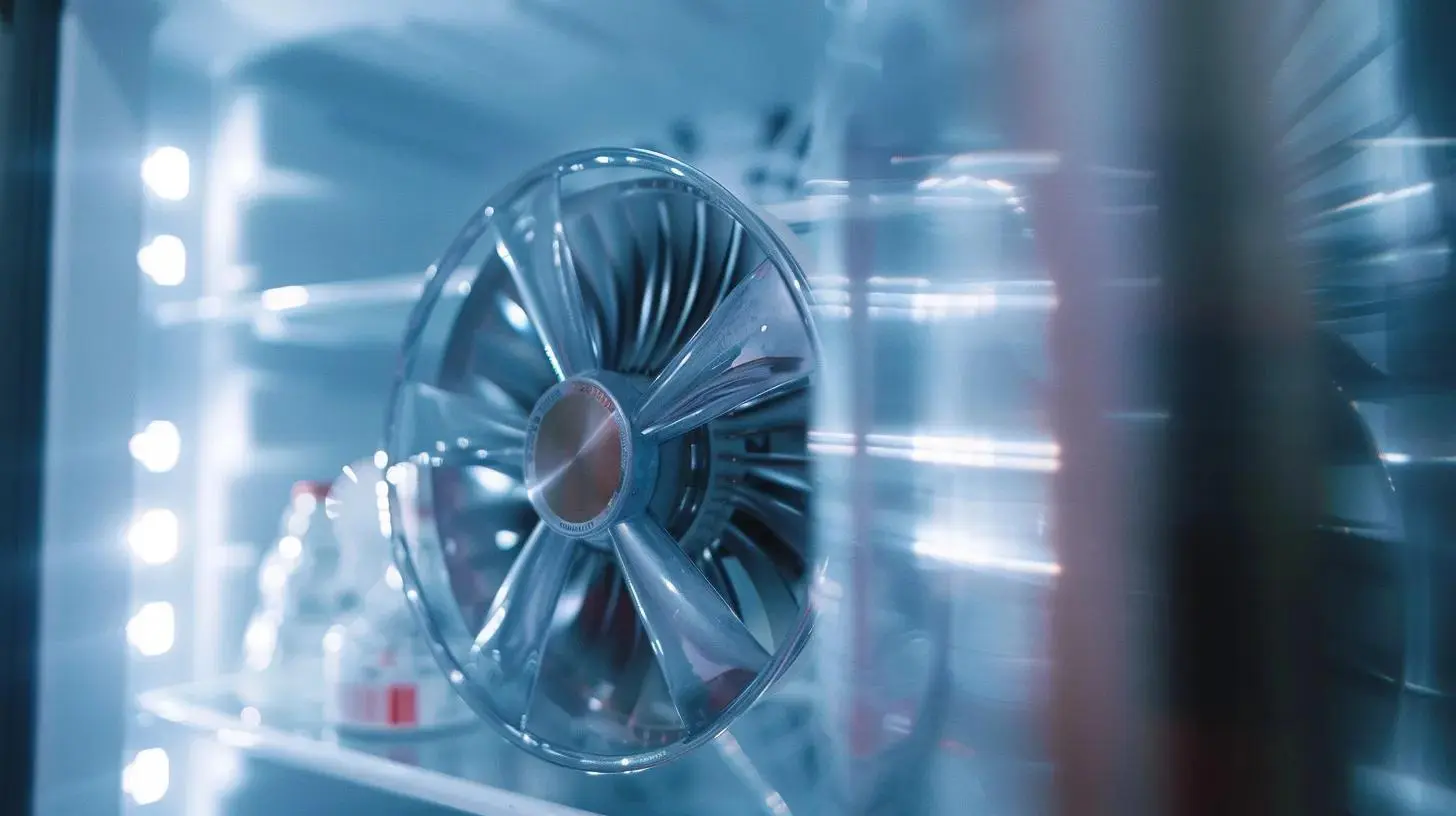
Identifying symptoms of compressor or evaporator fan failure is crucial for timely repairs. Look for the following signs:
- Signs of Compressor Failure: If the compressor is excessively noisy or not running at all, it may need replacement.
- Symptoms of Evaporator Fan Issues: If you notice uneven cooling or frost buildup, the evaporator fan may be malfunctioning.
Recognizing these symptoms can help you address issues promptly.
When Should You Call Professional Fridge Repair Services in Toronto?
If you encounter persistent issues with your refrigerator, it may be time to call professional repair services. Consider reaching out if you notice:
- Inconsistent Cooling: Fluctuating temperatures can indicate a serious problem.
- Excessive Noise: Unusual sounds may signal mechanical issues.
- Water Leaks: If you find water pooling, it could indicate a malfunctioning component.
For expert assistance, contact Appliance Expert at +1 (437) 600-6066 or info@appliance-expert.ca.
What Are the Benefits of Certified Technicians and Transparent Pricing?
Hiring certified technicians for refrigerator repairs offers several advantages:
- Expert Diagnosis: Certified technicians have the training and experience to diagnose issues accurately.
- Safety Considerations: Professionals ensure that repairs are conducted safely and effectively.
- Warranty on Repairs: Many certified services offer warranties on their work, providing peace of mind.
These benefits highlight the importance of professional assistance for appliance repairs.
How Does Appliance Expert Ensure Fast and Reliable Refrigerator Repairs?
Appliance Expert is committed to providing fast and reliable refrigerator repairs. Their process includes:
- Diagnostic Techniques: Technicians use advanced diagnostic tools to identify issues quickly.
- Repair Processes: They follow established protocols to ensure effective repairs.
- Service Guarantees: Appliance Expert offers guarantees on their services, ensuring customer satisfaction.
This commitment to quality makes them a trusted choice for appliance repairs.
What Maintenance Tips Prevent Fridge Cooling Problems?
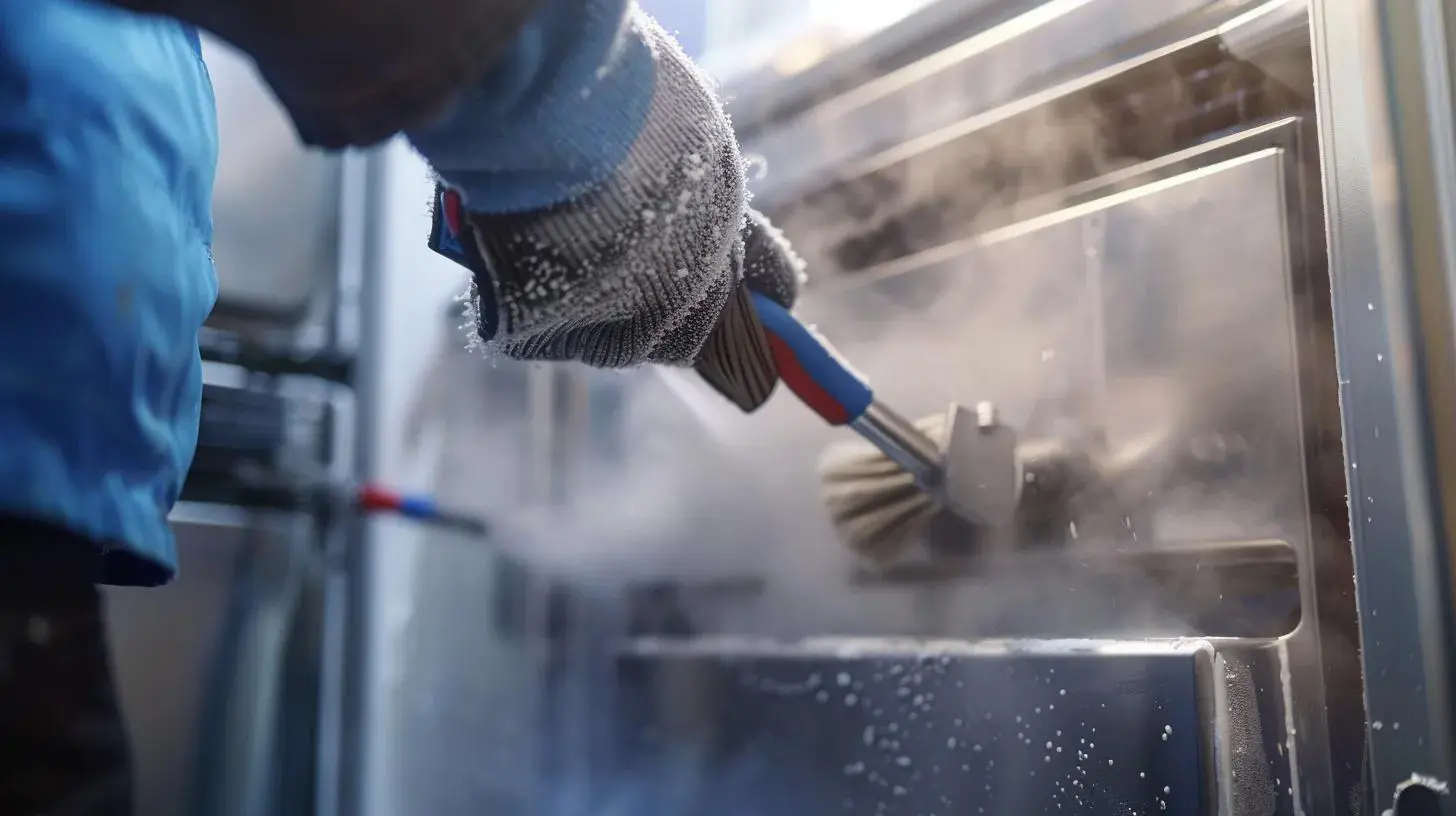
Preventative maintenance is key to avoiding cooling issues in your refrigerator. Consider these tips:
- Routine Checks: Regularly inspect your fridge for signs of wear or damage.
- Cleaning Recommendations: Clean condenser coils and door seals to maintain efficiency.
- Common Issues to Address: Address any unusual noises or temperature fluctuations promptly.
Implementing these maintenance tips can help extend the life of your refrigerator.
How to Maintain Your Refrigerator for Long-Term Cooling Efficiency?
To ensure long-term cooling efficiency, follow these maintenance strategies:
- Regular Cleaning: Keep the interior and exterior clean to prevent buildup.
- Inspecting Door Seals: Regularly check seals for wear and replace if necessary.
- Monitoring Temperature Settings: Ensure that the thermostat is set correctly for optimal performance.
These practices can help maintain your refrigerator’s efficiency over time.
What Are Energy-Efficient Practices for Fridge Care?
Implementing energy-efficient practices can help reduce energy consumption while maintaining cooling performance. Consider these tips:
- Regular Cleaning of Condenser Coils: Keeping coils clean improves efficiency.
- Checking Door Seals: Ensure seals are intact to prevent energy loss.
- Ensuring Proper Airflow: Maintain adequate space around the fridge for airflow.
These practices not only save energy but also enhance the longevity of your appliance.
Which Repair Services Does Appliance Expert Offer for Fridge Cooling Issues?
Appliance Expert provides a range of repair services for fridge cooling issues, including:
- Thermostat Replacement: Ensuring accurate temperature regulation.
- Compressor Repair: Addressing compressor-related cooling failures.
- Condenser Coil Cleaning: Maintaining efficiency through regular cleaning.
These services are designed to address common cooling problems effectively.
How Are Compressor and Evaporator Fan Repairs Performed?
Repairs for compressors and evaporator fans involve specific techniques:
- Repair Techniques: Technicians assess the components and replace or repair as needed.
- Common Issues Addressed: They focus on ensuring proper functionality to restore cooling.
Understanding these processes can help you appreciate the complexity of appliance repairs.
What Warranty and Customer Satisfaction Guarantees Are Provided?
Appliance Expert offers warranties and guarantees to ensure customer satisfaction:
- Warranty on Repairs: Many repairs come with a warranty, providing peace of mind.
- Customer Satisfaction Policies: They prioritize customer satisfaction, ensuring quality service.
These guarantees reflect their commitment to quality and customer care.