
Washing machines play a vital role in everyday life, helping to keep clothes clean efficiently and effortlessly. However, like any appliance, they can experience a range of problems that affect their performance. Whether you own a front-load or top-load washing machine, knowing how to identify and troubleshoot common issues can save you time, effort, and costly repairs. This comprehensive guide will walk you through the six most frequent washing machine failures, detailed error code diagnostics for popular brands, step-by-step testing workflows, essential safety tips, and routine maintenance best practices. For residents in the Greater Toronto Area (GTA), Appliance Expert remains the trusted partner for professional washing machine repairs.
In-Depth Troubleshooting: The Six Most Common Washing Machine Failures
1. Washing Machine Not Spinning or Agitating
If your washer isn’t spinning or the agitator isn’t moving, it can mean the clothes aren’t getting cleaned properly or that water isn’t being expelled. This issue can stem from:
- Broken Drive Belt: Worn or broken belts will cause the drum to not spin.
- Faulty Lid Switch / Door Latch: Safety mechanisms that prevent spinning if the lid/door isn’t properly closed.
- Defective Motor Coupling or Motor: Damaged couplings or motor failures impair rotation.
- Drive Motor Control Board: Malfunctions in the motor controller may interrupt spinning cycles.
- Clogged or Broken Water Pump: If water fails to drain, the machine might not enter spin mode.
Troubleshooting Steps:
- Unplug the washer and open the cabinet to access the drive belt—check for wear or breakage.
- Use a multimeter to test the lid switch or door latch for continuity to confirm functionality.
- Inspect the motor coupling for physical damage.
- Test the motor control board and motor windings with a multimeter for signs of damage or faults.
- Verify that water drains properly; if not, clear any clogs in the pump and hoses.
2. Washing Machine Not Draining
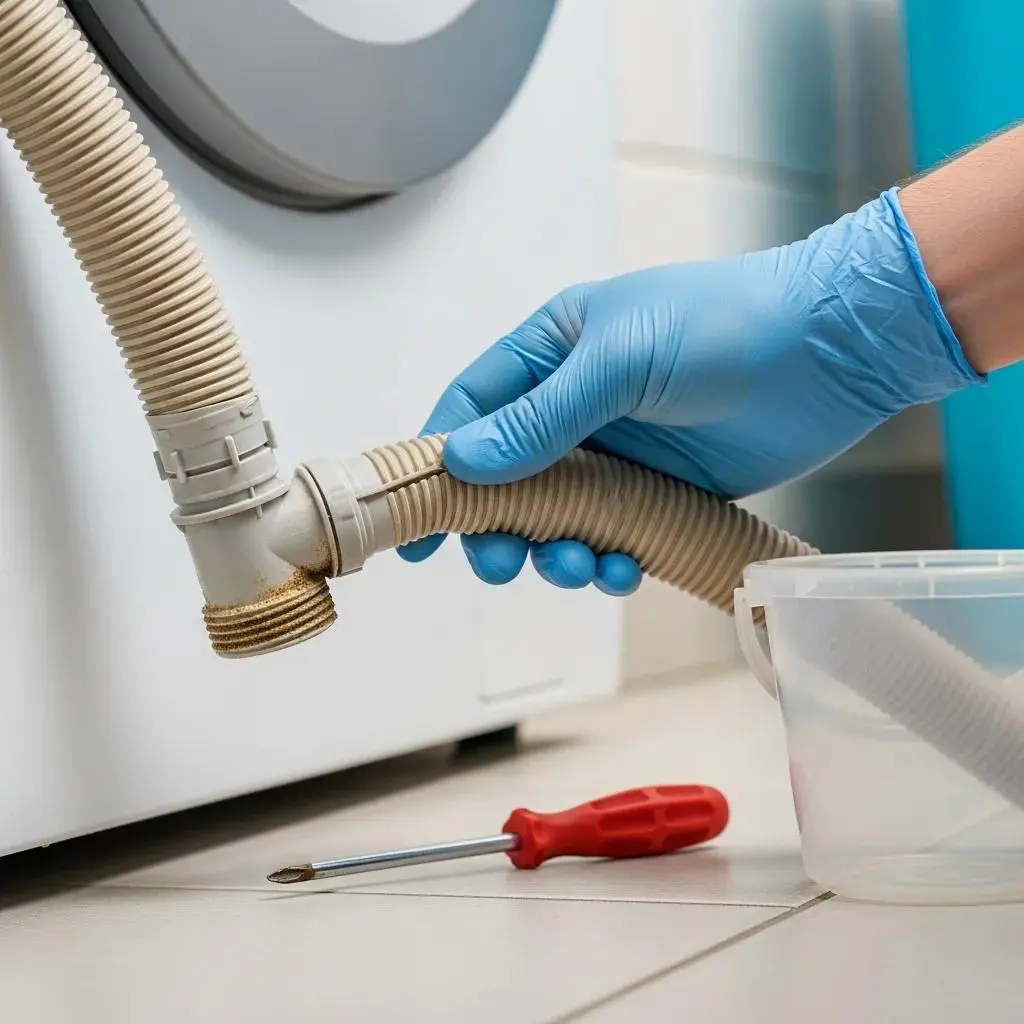
Failure to drain properly is a common and frustrating problem caused by:
- Clogged or kinked drain hoses.
- Blocked or dirty pump filters or coin traps.
- Defective drain pump motor.
- Broken pump belt (in older machines).
- Malfunctioning door lock safety mechanism or timer control.
Troubleshooting Steps:
- Check and straighten the drain hose, removing any kinks.
- Clean the pump filter and remove trapped debris.
- Run a diagnostic to check drain pump motor operation; test with multimeter for resistance and continuity.
- Inspect the pump belt for damage or breakage.
- Test the door lock mechanism and timer control functionality.
3. Washing Machine Leaking Water
Water leaks can originate from several sources and should be addressed promptly to avoid damage:
- Damaged or loose inlet hoses.
- Worn or cracked tub seals and door gasket.
- Clogged or faulty detergent dispenser or siphoning from overfilling.
- Leaks from the drain pump or hoses.
- Faulty water inlet valve.
Troubleshooting Steps:
- Inspect inlet hoses for bulges, cracks, or corrosion; replace if needed.
- Examine door gasket for tears, mold, or debris and clean or replace accordingly.
- Check detergent dispenser for blockages or leaks.
- Test the water inlet valve for proper operation and leaks.
- Look under the washer for any signs of leakage from pump or hoses.
4. Excessive Vibration or Banging Noises During Operation
Unusual vibrations or banging can cause damage to your washing machine and nearby surfaces. Reasons include:
- Unbalanced loads or overloading.
- Worn or broken shock absorbers or suspension springs (front-loaders).
- Damaged drum bearings.
- Uneven leveling of the washer.
Troubleshooting Steps:
- Redistribute or reduce laundry load size to balance the machine.
- Check and tighten the leveling feet ensuring the machine sits evenly on the floor.
- Inspect shock absorbers, springs, and dampers for wear or damage; replace if necessary.
- Listen for grinding which signals worn drum bearings—if so, professional service is recommended.
5. Washing Machine Not Filling with Water
If your washer isn’t filling, laundry cycles will not start correctly. Possible causes are:
- Closed or kinked water supply valves or hoses.
- Faulty water inlet valve.
- Defective pressure switch or water level sensor.
- Malfunctioning lid switch or control board issues.
Troubleshooting Steps:
- Ensure water supply valves are fully open; inspect hoses for kinks or damage.
- Test water inlet valve solenoids using a multimeter for resistance and continuity.
- Check pressure switch for proper operation and clean air tubes connected to it.
- Inspect lid switch or door latch assemblies for faults.
6. Strange Noises: Grinding, Squealing, Buzzing
Noises can indicate underlying issues requiring attention:
- Grinding: Often caused by worn drum bearings or foreign objects caught in the drum.
- Squealing: Usually due to worn or slipping drive belts or faulty motor bearings.
- Buzzing: Water inlet valve or drain pump motor may be stuck or failing.
Diagnostic Steps:
- Listen carefully to identify the noise’s cycle phase and source location.
- Check for foreign objects inside the drum and remove them.
- Inspect and replace worn belts.
- Test motor and pump components electrically with a multimeter.
Comprehensive Washing Machine Error Code Diagnostic Table
Modern washing machines are equipped with diagnostic systems that display error codes to help identify faults quickly. Below is a consolidated table of common error codes from major brands with their symptoms, root causes, and diagnostic resolutions.
Step-by-Step Diagnostic Workflows with Multimeter Testing Guidelines
Drain Pump Motor Testing
- Unplug the washer and disconnect the drain pump wires.
- Use a multimeter set to the ohms (Ω) scale to measure resistance across the motor terminals.
- Typical drain pump motors show between 20-70Ω; infinite or zero readings indicate faults.
- Check spinning of the pump impeller manually; it should rotate smoothly.
Lid Switch / Door Latch Assembly Testing
- Unplug the machine and access the lid switch or door latch.
- Disconnect wires and set the multimeter to continuity mode.
- Press the switch actuator – the meter should beep or show continuity when activated.
- No continuity indicates a faulty switch requiring replacement.
Pressure Switch / Water Level Sensor Testing
- Locate the pressure switch and the small air hose attached to it.
- Inspect the hose for blockages or cracks.
- Use a multimeter to check the pressure switch terminals for continuity changes when blowing gently into the hose (simulates water level).
- Faulty switches show no change in continuity when activated.
Shift Actuator Testing (Common in Certain Model Types)
- Disconnect and visually inspect the actuator for damage.
- Test with a multimeter for proper resistance values as per model specifications.
- Replace if actuator is not operating correctly or causes mechanical failure.
Drive Belt Inspection
- Unplug the unit and access the rear panel.
- Visually inspect the drive belt for cracks, fraying, or looseness.
- Replace if damaged or overly stretched to restore proper drum rotation.
Motor Control Board Testing
- Visually inspect for burnt components or broken traces.
- Use a multimeter to check voltage outputs as per wiring diagrams.
- If board fails to send signals or controls motor poorly, consider professional diagnosis or replacement.
Essential Safety Protocols for Washing Machine Repairs
Repairing washing machines requires caution to prevent injury or equipment damage. Always adhere to these safety guidelines:
- Disconnect Power: Unplug the machine before opening panels or performing repairs.
- Shut Off Water Supply: Turn off water valves to prevent flooding when handling hoses and valves.
- Avoid Forcing Components: Use proper tools and do not force doors or parts, which may cause damage.
- Handle Electrical Components Carefully: Avoid touching capacitors or circuitry without knowledge.
- When to Call Professionals: Schedule experienced technicians when issues involve complex electronics, motor replacements, drum or bearing repairs, or if you are uncertain.
Routine Maintenance Checklist for Longevity and Reliability
Regular upkeep helps prevent many common problems and extends your washing machine’s useful life. Follow this checklist every 3-6 months:
- Clean the Coin Trap / Pump Filter: Remove and rinse debris from the filter to prevent clogging.
- Run Tub Clean Cycles: Use manufacturer-recommended cleaning tablets or vinegar cycles to remove detergent residues and mold.
- Clean Door Gasket / Seals: Wipe mold and dirt from rubber gaskets to avoid leaks and odors.
- Inspect Inlet Hoses: Check for bulges, cracks or corrosion; replace if any damage is found.
- Check Leveling Feet: Ensure the washer is stable and level to prevent vibration and wear.
- Use Correct Detergents: Use HE detergents for front-loaders to avoid excess suds and residue buildup.
When to Seek Professional Repair Assistance in the GTA
While many issues can be addressed with the right tools and knowledge, some repairs require specialized equipment, technical expertise, or safety precautions. If you experience:
- Persistent or unclear error codes after home troubleshooting.
- Motor or electronic control board failures.
- Bearings, drum, or suspension system repairs.
- Electrical hazards or water leaks you cannot address.
Contact Appliance Expert to schedule a professional repair technician who can provide reliable diagnostics and repairs with genuine OEM parts, keeping your washer running efficiently.
Common Washing Machine Problems and Quick Fixes
Understanding the intricacies of front-load and top-load washing machines empowers you to troubleshoot common issues effectively and maintain your appliance for long-term reliability. From not spinning to error code deciphering, this guide offers authoritative insights based on industry best practices.
Always prioritize safety, perform routine maintenance, and know your limits—when in doubt, reach out to trusted experts like Appliance Expert in Toronto for peace of mind and quality service.