
By Expert Appliance Editorial Team · Updated 2026-07-17
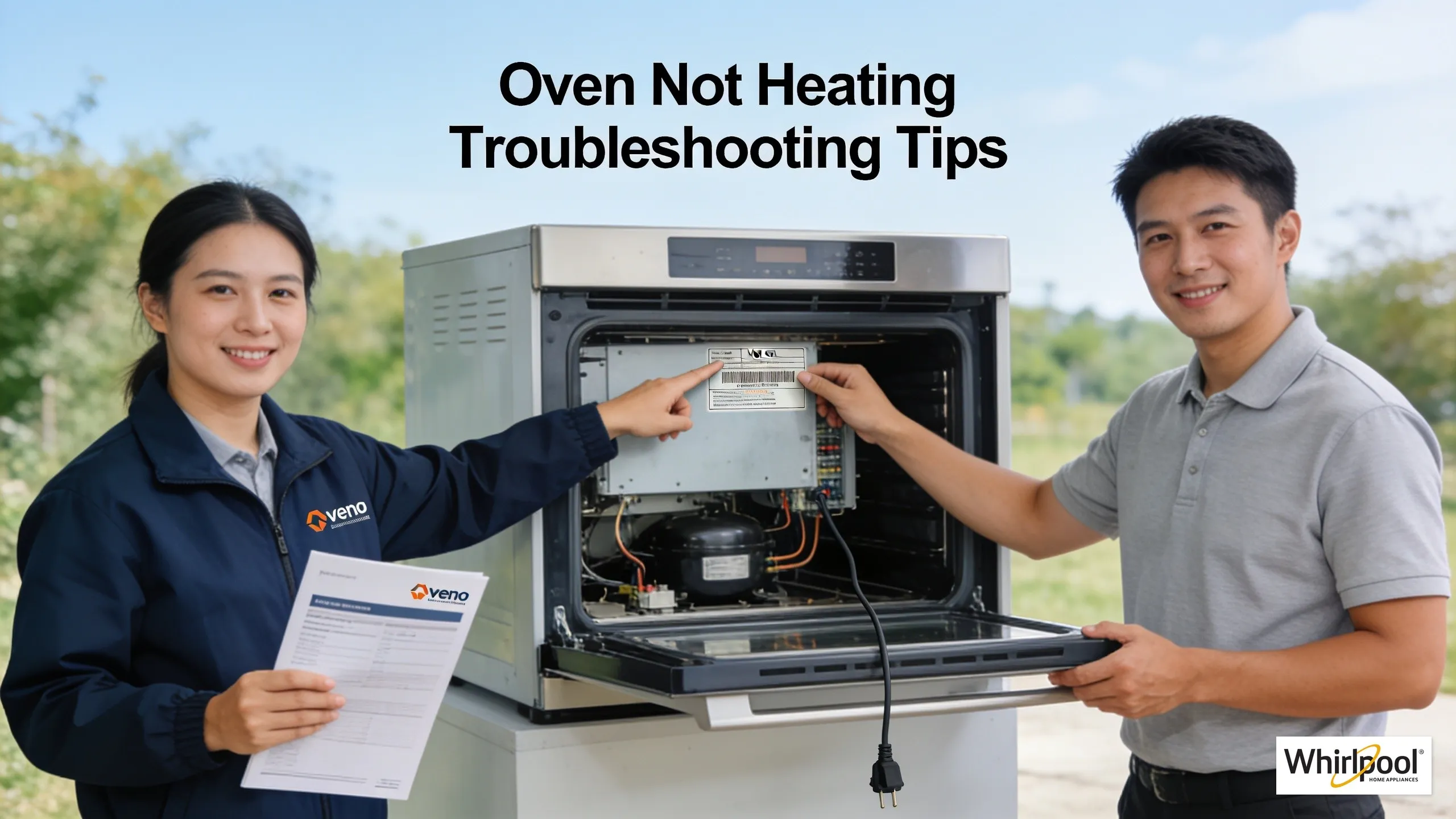
For Oven Not Heating Troubleshooting Tips, oven heating failures often trace back to a faulty igniter, burned-out bake element, or miscalibrated thermostat. Expert Appliance technicians in Toronto, Ontario recommend first checking your bake element for visible breaks, resetting the circuit breaker. Recalibrating the thermostat by 35°F if temperatures read consistently low.
Most oven heating problems trace back to a small number of electrical, gas. Temperature-related issues that basic troubleshooting resolves — specifically, 7 common causes cover the majority of failures. Start by checking your owner’s manual, inspecting the heating element for visible damage. Confirming the oven is receiving proper power or gas supply.
Most oven heating failures trace to a small number of electrical, gas, or temperature-related faults. Homeowners benefit from checking the bake element for visible damage, confirming the temperature sensor functions correctly. Verifying the igniter on gas units. Expert Appliance technicians identify these root causes through systematic diagnostics, restoring reliable oven performance efficiently.
Key Takeaways
- Most oven heating problems stem from 3 main issues: electrical faults, gas problems, or temperature malfunctions.
- Basic troubleshooting identifies the root cause of oven heating failures without requiring professional diagnosis.
- Expert Appliance in Toronto, Ontario provides repair services for common oven heating and stove issues.
- Temperature-related problems rank among the 7 most common reasons ovens fail to heat properly.
What Prerequisites Should You Know Before Starting?
Effective oven not heating troubleshooting tips begin with two non-negotiable preparations: locating the owner’s manual and cutting power to the appliance. Skipping either step increases both diagnostic error and personal risk.
What Tools and Documents Should Homeowners Gather First?
Homeowners must locate the oven’s model number and owner’s manual before touching any component. The manual provides model-specific wiring diagrams, part identifications, and safety thresholds that generic guides cannot replicate. Without this documentation, misdiagnosis is far more likely.
When Is It Unsafe to Proceed Without a Professional?
Power to the oven must be turned off before any internal component is inspected. This is a firm safety requirement, not a suggestion. Certain repairs—particularly those involving gas fuel connections or internal electrical components—fall outside safe DIY scope entirely. Licensed technicians possess the certifications and tools required for those tasks. Homeowners who attempt gas or electrical repairs without professional training risk equipment damage and serious personal injury.
Prerequisites checklist before beginning:
- Retrieve the owner’s manual and confirm the model number.
- Turn off all power to the oven at the circuit breaker.
- Assess whether the fault involves gas lines or internal electrical parts — if so, contact a licensed technician.
Which Quick Fixes Can You Perform Right Now?
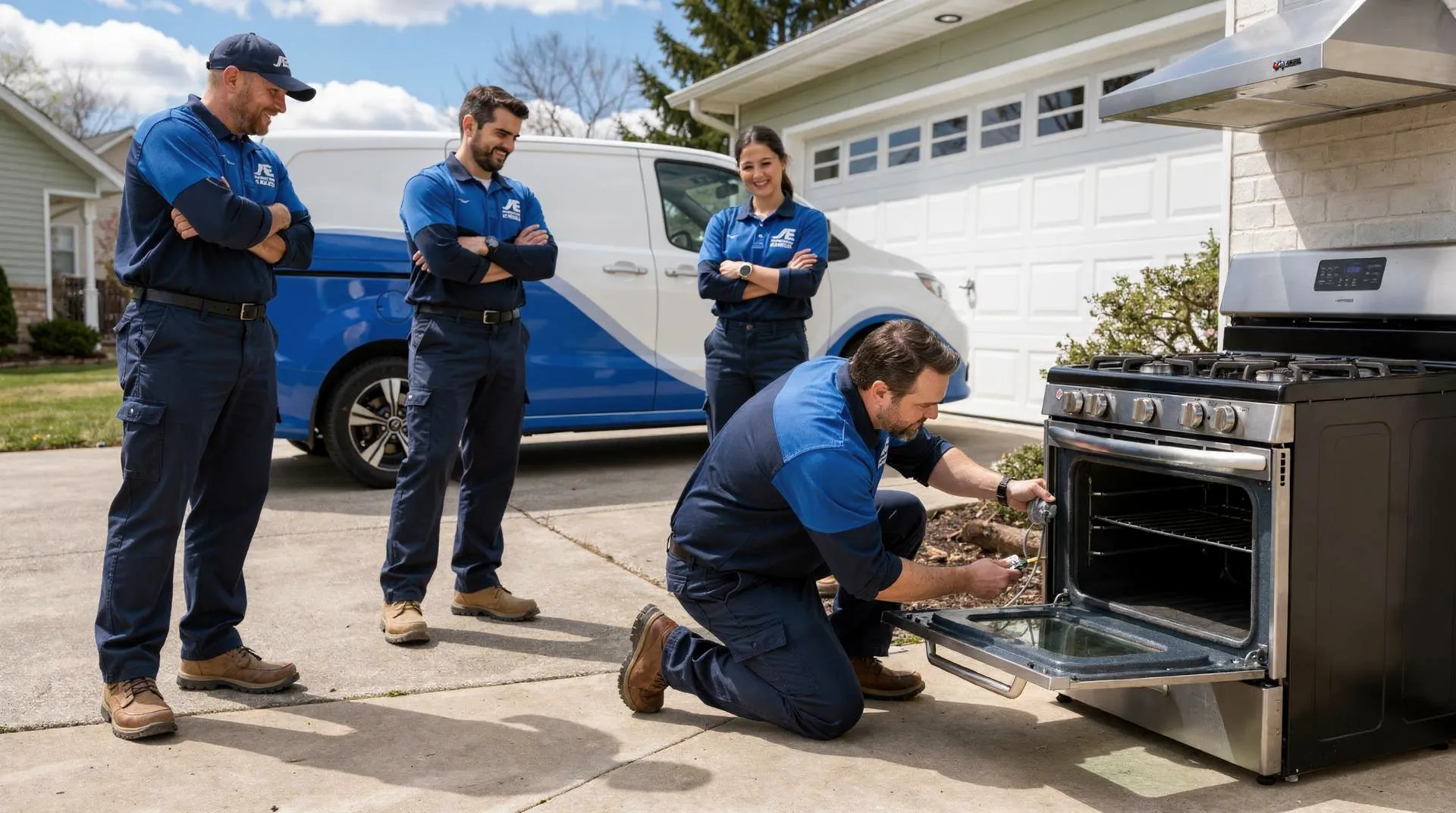
Most oven heating problems trace back to a small number of electrical, gas, or temperature-related issues. Many of which homeowners can identify through basic Oven Not Heating Troubleshooting Tips before calling a technician. Worn parts, interrupted power. Safety components designed to shut the appliance down under specific conditions account for the majority of reported failures.
Before contacting Expert Appliance, homeowners should work through the following steps in order:
- Inspect the power supply. Confirm the oven is fully plugged in and that the circuit breaker has not tripped. Interrupted power is among the most common — and most overlooked — causes of an oven that refuses to heat.
- Check the [oven door seal](https://appliance-expert.ca/why-is-my-dishwasher-not-draining-common-causes-fixes/). The oven door locks hot air inside the cavity to support baking, roasting, and broiling. A door that does not close completely allows heat to escape, producing inadequate cooking temperatures.
- Test the temperature setting. Confirm the control panel is set to the correct mode and temperature. A setting error can mimic a mechanical fault entirely.
- Examine the burner control switch. On electric models, a defective burner control switch — the component responsible for regulating temperature — frequently causes the oven to fall short of the desired heat level. Electrical problems related to the outlet or power cord produce similar symptoms.
Why Does an Oven Door Affect Heating Performance?
The oven door functions as a thermal barrier. When the door seal is damaged or the door does not latch properly, hot air escapes the cavity continuously, preventing the appliance from reaching or maintaining the set temperature.
When Should Homeowners Stop Troubleshooting and Call a Professional?
Replacing internal components and inspecting gas or electrical connections are complex tasks. When the four steps above fail to restore normal heating, clients should schedule a diagnostic appointment with a certified technician to avoid further damage or safety risk.
When Should You Call a Professional Technician?
Certain oven repairs exceed the scope of safe DIY troubleshooting. Gas connections and internal electrical components carry genuine safety risks that make professional intervention the appropriate. And necessary — course of action.
What types of oven repairs require a professional?
Repairs involving gas supply lines, igniter assemblies. Internal wiring fall into the category of work best left to a qualified technician. Attempting these tasks without proper training risks further appliance damage or serious safety hazards. Oven Not Heating Troubleshooting Tips that progress beyond basic checks. Such as inspecting the power supply or resetting a tripped breaker. Signal the point at which professional diagnostics become essential.
How do homeowners find certified oven repair service in Toronto?
Expert Appliance, based in Toronto, Ontario, provides certified technician services for oven diagnostics and repairs across Toronto and surrounding areas. Homeowners throughout the region can schedule service when standard troubleshooting steps fail to restore proper oven function.
Steps to take before calling a technician:
- Confirm the oven is receiving power or gas supply.
- Check for error codes on the control panel display.
- Document the specific symptoms — no heat, uneven heat, or complete failure.
- Contact a certified repair service to arrange a diagnostic appointment.
When an oven fails to heat efficiently, systematic diagnosis and targeted intervention restore functionality and prevent further deterioration. The troubleshooting measures outlined—from thermostat calibration to heating element inspection—address the most prevalent causes of inadequate heating performance. Prompt attention to these issues preserves appliance longevity and ensures reliable kitchen operation. For complex or persistent heating failures, professional diagnostic assessment provides definitive resolution and maintains manufacturer warranty integrity.
FAQ
What are the most common reasons an oven stops heating?
Most oven heating failures trace back to electrical faults, gas problems, or temperature malfunctions. Three main issue categories that cover the majority of reported failures.
What is the first quick fix to check when an oven refuses to heat?
Confirm the oven is fully plugged in and that the circuit breaker has not tripped. Interrupted power ranks among the most common and most overlooked causes of heating failure.
When does an oven heating problem require a professional technician?
Faults involving gas fuel connections or internal electrical components fall outside safe DIY scope. Licensed technicians at Expert Appliance in Toronto, Ontario hold the certifications and tools required for those repairs.