
Diagnosing Heating Problems In Ovens And Dryers
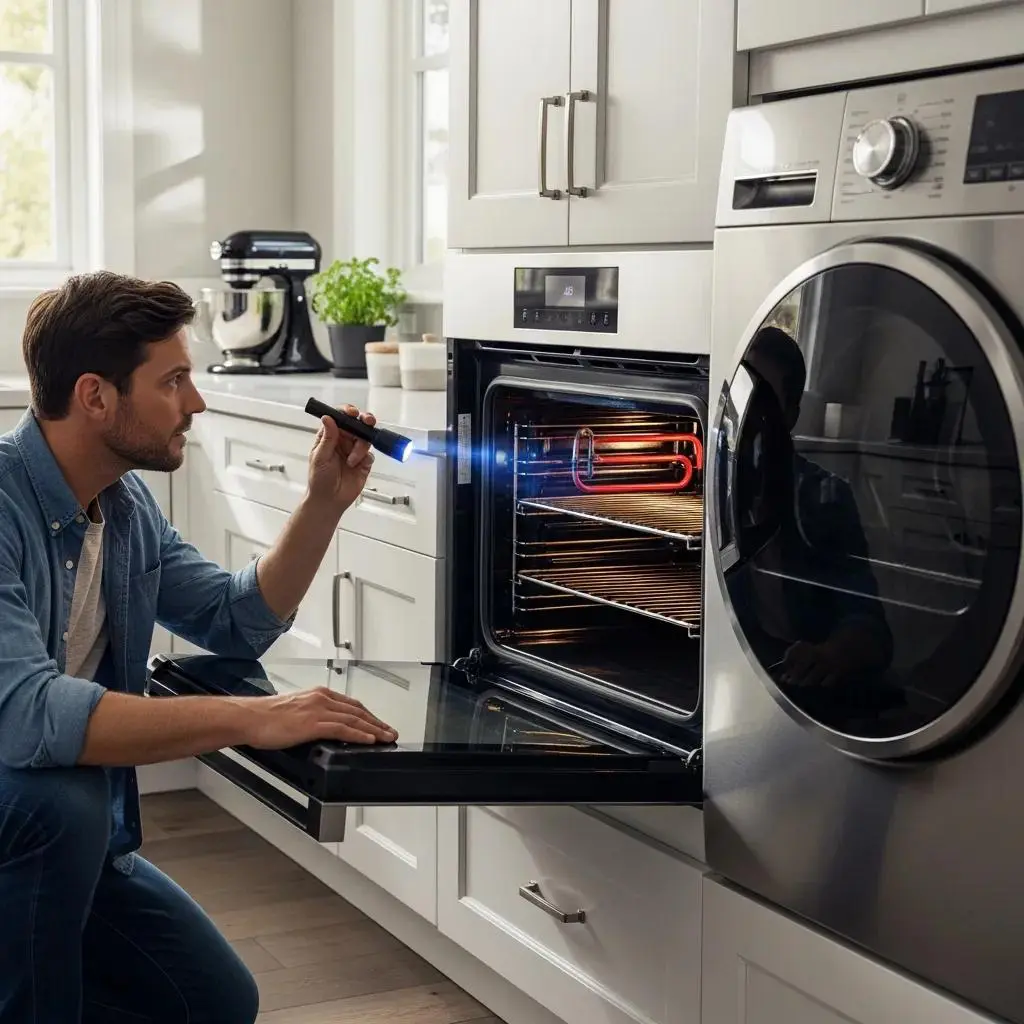
Diagnosing Heating Problems in Ovens and Dryers: Expert Solutions for Reliable Appliance Performance
Heating problems in ovens and dryers can lead to significant inconveniences, affecting meal preparation and laundry routines. Understanding how to diagnose these issues is crucial for maintaining appliance efficiency and ensuring safety. This article will explore common heating problems in ovens and dryers, expert solutions for repairs, and troubleshooting steps to identify issues effectively. By addressing these heating concerns, homeowners can avoid costly repairs and ensure their appliances function optimally.
Diagnosing Heating Problems in Ovens and Dryers
Diagnosing heating problems in ovens and dryers involves identifying symptoms and understanding the underlying causes. Common symptoms include inconsistent temperatures in ovens and dryers that fail to heat properly. Recognizing these issues early can prevent further damage and costly repairs. Homeowners should be aware of the signs that indicate a malfunctioning heating element or thermostat, as these components are critical for proper appliance operation.
Expert Guide: Diagnosing Oven and Dryer Heating Problems
Ovens:
Ovens can experience several heating issues that affect their performance. Common problems include:
- Faulty Heating Elements: If the heating element is damaged or burnt out, the oven will not heat properly.
- Temperature Control Problems: A malfunctioning thermostat can lead to inaccurate temperature readings, causing uneven cooking.
- Ignition and Gas Line Repairs: For gas ovens, issues with the ignition system or gas supply can prevent the oven from heating.
Dryers:
Dryers also face specific heating challenges that can disrupt laundry routines. Key issues include:
- Not Heating: A dryer that does not produce heat may have a faulty heating element or thermal fuse.
- Excessive Drying Time: If clothes take longer to dry, it may indicate a clogged vent or malfunctioning heating element.
- Unusual Noises: Strange sounds during operation can signal mechanical issues that may affect heating efficiency.
Expert Solutions:
When faced with heating problems, seeking expert solutions is essential for effective repairs.
Oven Repairs:
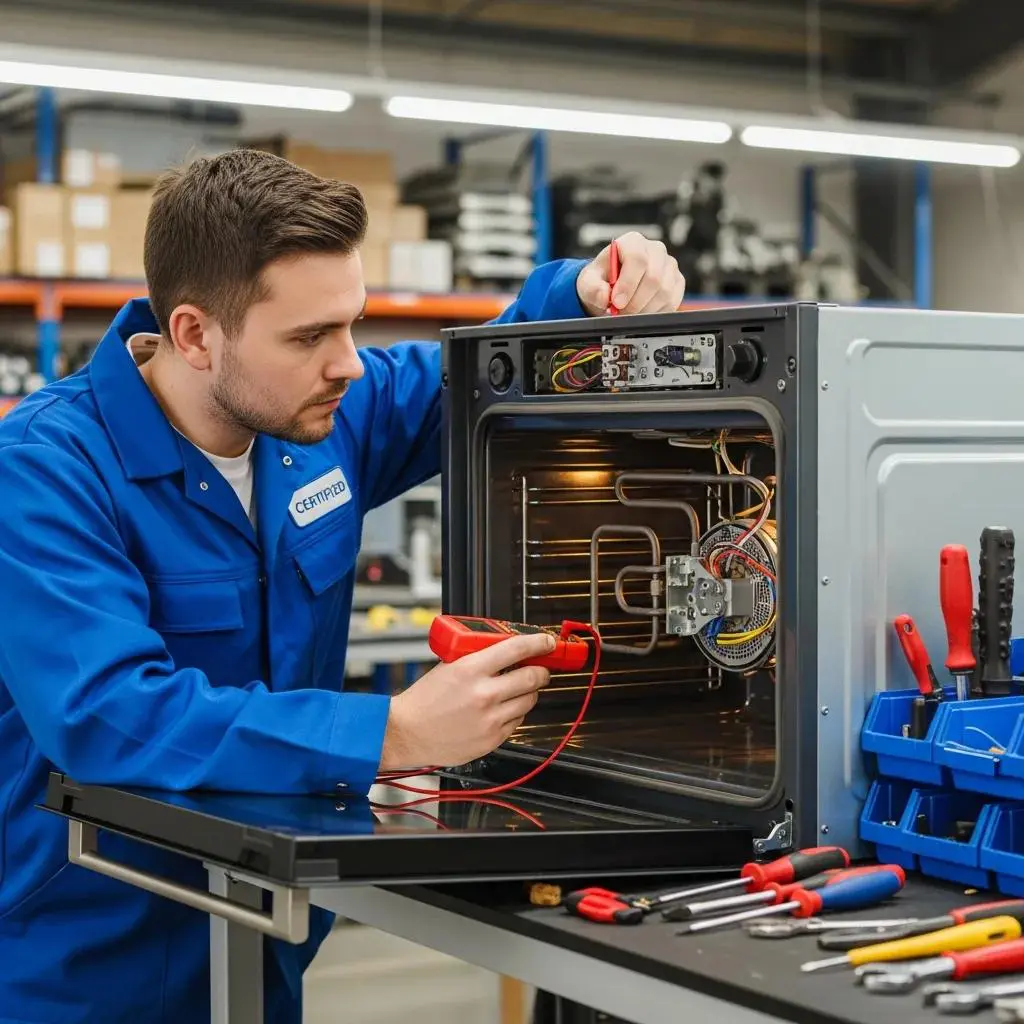
For oven heating issues, certified technicians can diagnose problems accurately. They typically follow these steps:
- Diagnosis: Technicians assess the heating elements and thermostat to identify faults.
- Parts Replacement: If necessary, they replace damaged components with genuine parts to ensure reliability.
- Emergency Services: Many repair services offer emergency assistance for urgent heating problems.
Dryer Repairs:
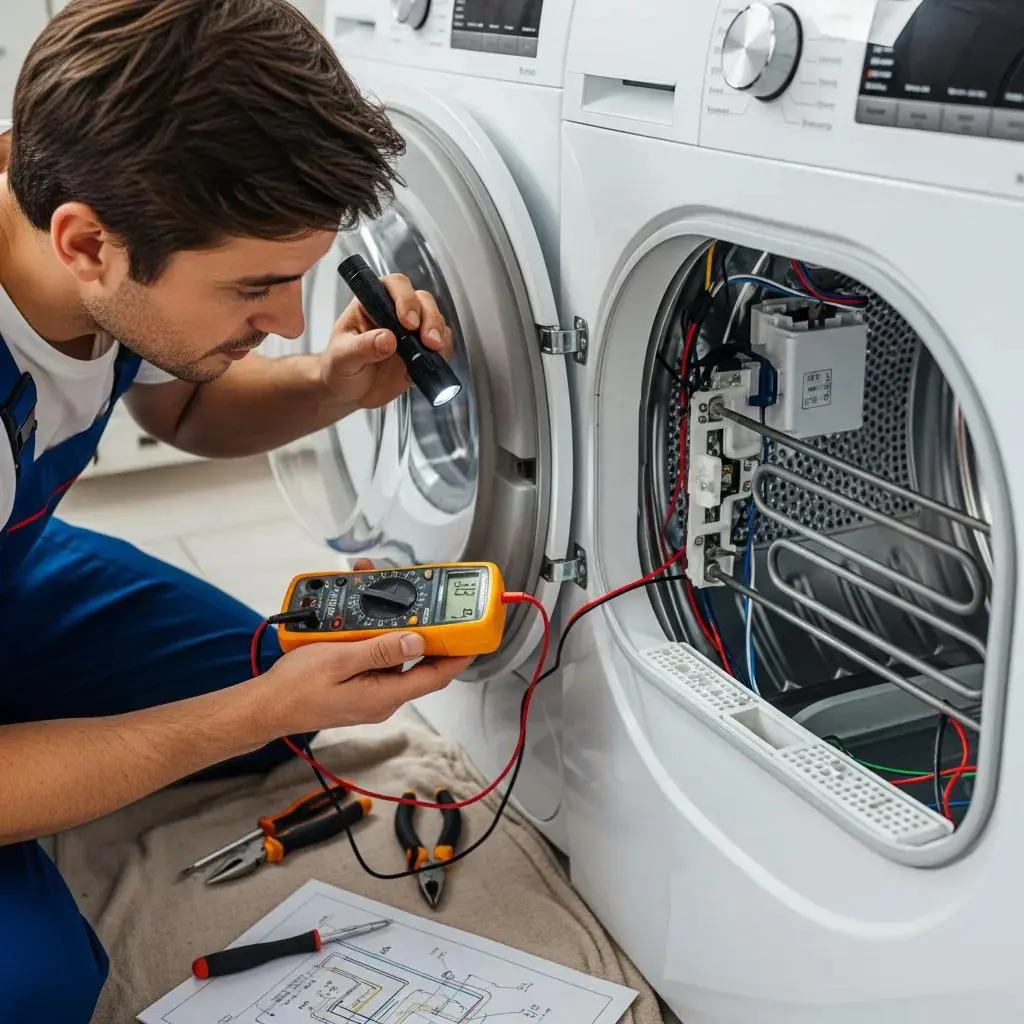
Dryer heating issues require a systematic approach to ensure proper function. Common repair steps include:
- Inspecting the Venting System: Technicians check for blockages that may impede airflow.
- Testing the Heating Element: They evaluate the heating element’s functionality to ensure it operates correctly.
- Checking Thermal Fuse and Door Switch: These components are tested to confirm they are not causing heating failures.
Troubleshooting Steps:
Troubleshooting heating issues in ovens and dryers can help identify problems before calling for professional help.
For Ovens:
To troubleshoot oven heating issues, follow these steps:
- Check Power Supply: Ensure the oven is plugged in and the circuit breaker is not tripped.
- Inspect Wiring: Look for any visible damage to the wiring that may affect heating.
- Use an Oven Thermometer: This tool can help verify if the oven is reaching the correct temperature.
For Dryers:
When troubleshooting dryer heating problems, consider these steps:
- Inspect the Vent: Ensure the vent is clear of lint and debris to allow proper airflow.
- Test Components: Use a multimeter to check the heating element and thermal fuse for continuity.
- Evaluate Electrical Supply: Confirm that the dryer is receiving adequate power.
Tips for Ensuring Reliable Appliance Performance:
To maintain the performance of ovens and dryers, consider the following tips:
- Regular Maintenance: Schedule routine inspections to catch potential issues early.
- Avoid Overloading: Do not overload appliances, as this can strain heating elements.
- Monitor Performance: Keep an eye on how well appliances are functioning and address any irregularities promptly.
Why Is My Dryer Not Heating? Common Causes and Quick Checks
If your dryer is not heating, several common causes may be at play. Quick checks can help identify the issue:
- Clogged Exhaust Vent: A blocked vent can prevent heat from circulating properly.
- Blown Thermal Fuse: This safety device can blow if the dryer overheats, cutting off power to the heating element.
- Faulty Door Switch: If the door switch is malfunctioning, the dryer may not heat when the door is closed.
How to Identify Faulty Dryer Heating Elements
Identifying faulty dryer heating elements is crucial for effective repairs. Follow these steps:
- Safety First: Always unplug the dryer before inspecting internal components.
- Access the Heating Element: Remove the back panel to access the heating element.
- Test and Replace: Use a multimeter to test for continuity. If there is no continuity, replace the heating element.
What Role Do Thermal Fuses Play in Dryer Heating Failures?
Thermal fuses are critical components in dryers that prevent overheating. When a thermal fuse blows, it interrupts the electrical circuit, causing the dryer to stop heating. Symptoms of a blown thermal fuse include:
- No Heat: The dryer runs but does not produce heat.
- Frequent Overheating: If the dryer overheats frequently, it may indicate a failing thermal fuse.
Oven Heating Troubleshooting: Diagnosing Temperature and Heating Issues
Diagnosing temperature and heating issues in ovens requires a systematic approach. Key steps include:
- Testing Heating Elements: Check if the heating elements are functioning correctly.
- Identifying Temperature Inconsistencies: Use an oven thermometer to verify temperature accuracy.
- Effective Solutions: If issues persist, consider professional repair services for accurate diagnosis and repair.
How to Test and Replace Oven Heating Elements
Testing and replacing oven heating elements can restore functionality. Here’s how:
- Safety Precautions: Ensure the oven is unplugged before starting.
- Testing Process: Use a multimeter to check for continuity in the heating element.
- Replacement Steps: If the element is faulty, remove it and install a new one following the manufacturer’s instructions.
What Causes Oven Temperature Inconsistencies and How to Fix Them?
Oven temperature inconsistencies can arise from several factors:
- Faulty Thermostat: A malfunctioning thermostat can lead to inaccurate temperature readings.
- Aging Heating Elements: Over time, heating elements may lose efficiency, affecting temperature consistency.
- Electrical Issues: Wiring problems can disrupt the power supply to the heating elements.
When Should You Call Professional Repair Services for Oven and Dryer Heating Problems?
Knowing when to call for professional repair services is essential for effective problem resolution. Consider contacting a technician if:
- Oven Not Heating: If the oven fails to heat despite troubleshooting efforts.
- Temperature Inconsistencies: Persistent temperature issues that cannot be resolved through basic checks.
- Strange Noises or Smells: Unusual sounds or odors during operation may indicate serious mechanical issues.
What Are the Benefits of Certified Technicians for Heating Repairs?
Hiring certified technicians for heating repairs offers several advantages:
- Expertise and Training: Certified professionals have the knowledge and skills to diagnose and repair complex issues.
- Quality Assurance: They use genuine parts and follow industry standards for repairs.
- Safety Considerations: Professionals ensure that repairs are conducted safely, reducing the risk of accidents.
The comprehensive training and structured learning that certified technicians undergo are often guided by detailed curricula designed to cover all aspects of appliance repair.
Appliance Repair Curriculum for Ovens & Dryers
ABSTRACT: Designed for use by instructors of appliance repair to help establish a uniform curriculum, this manual presents a basic course of study. Individual instructors can add or delete jobs or lessons to suit their particular teaching situations. Contents include the course philosophy, listing of course objectives and activities to achieve them, plan of instructional practice, listing of appliance repair reference materials, bibliography, listing of resources for visual aids, and course outline. These seven units are included: orientation, basic electricity, basic shop tools, laundry equipment, kitchen equipment, and refrigeration. Job sheets, operation sheets, information sheets, and assignment sheets are provided. Job sheets (student practice in developing skill competencies) define materials and tools needed, competence procedures/steps cross-indexed to related operation sheet(s), and method of evaluation. Operation sheets, supplementing job sheets and indicating how to perform skill com
Trade and Industrial Education Course of Study for Appliance Repair., 1980
How Does Appliance Expert Ensure Transparent Pricing and Reliable Service in Toronto?
Appliance Expert, a Toronto-based appliance repair service, specializes in diagnosing and repairing heating problems in ovens and dryers. The company focuses on providing reliable, trustworthy repair services to homeowners and residents in Toronto and surrounding areas such as North York and Richmond Hill. They ensure transparent pricing and service guarantees, allowing customers to feel confident in their repair choices.
How to Perform Basic DIY Troubleshooting for Oven and Dryer Heating Issues
Performing basic DIY troubleshooting can help identify heating issues before seeking professional help. Key steps include:
Which Tools and Safety Precautions Are Needed for Heating Element Checks?
When checking heating elements, ensure you have the following tools:
- Multimeter: For testing electrical continuity.
- Screwdriver Set: To access internal components.
- Safety Gear: Gloves and safety glasses to protect during inspections.
Understanding the importance of specialized tools for electrical diagnosis, one study highlights the utility of a portable multifunction tester for appliance troubleshooting.
Portable Multifunction Tester for Appliance Electrical Diagnosis
The objective of this paper is to design a single device for checking the continuity of single wire and multiwired cables with ease, measurement of current and voltage in an electrical circuit and providing light to the experimentation area by a single device. The device is named as portable multifunction tester. The status of the errors found by this device appears on the LCD display for visual observation. Buzzers are also provided to indicate the errors by making identical sounds. This is a non-destructive testing mechanism because no need to unmount or break any circuit or structures to troubleshoot and rectify the error.
Portable multifunction tester design to check the continuity of wires and to measure the electrical parameters, A Kunaraj, 2021
When Is Thermal Fuse Replacement a DIY Task vs. Professional Repair?
Determining whether to replace a thermal fuse yourself or call a professional depends on several factors:
- Indicators for DIY: If you have basic electrical knowledge and the right tools, you may replace the thermal fuse yourself.
- Safety Considerations: If you are unsure about the process or lack experience, it is safer to consult a professional.
- Steps for Professional Repair: Professionals can ensure that the replacement is done correctly and safely, minimizing the risk of future issues.