
Why Appliances Make Noise And What To Check
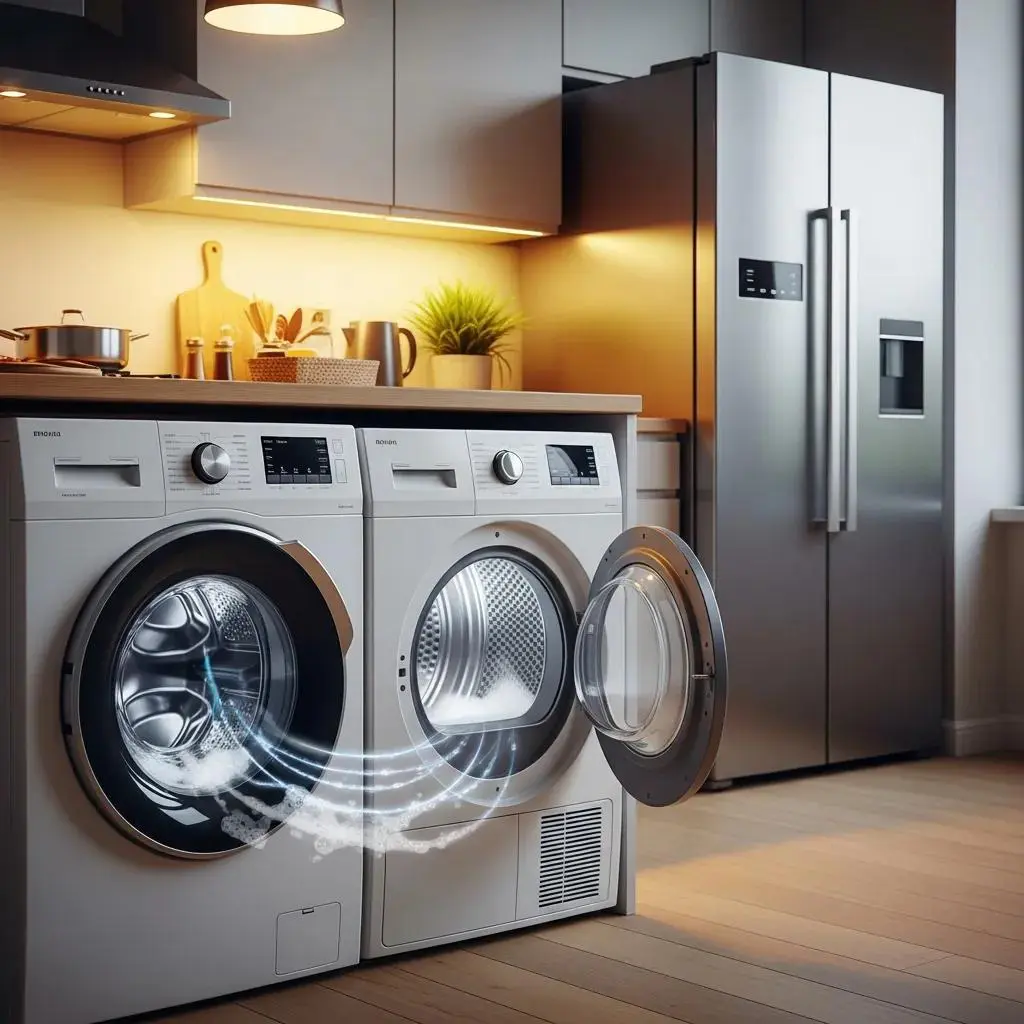
Why Appliances Make Noise: Causes, Checks & When to Call Pros
Household appliances are essential for our daily routines, but when they start making unusual noises, it can be a source of frustration and concern. Understanding why appliances make noise is crucial for homeowners, as it can indicate underlying issues that may require attention. This guide will explore the common causes of appliance noises, troubleshooting steps to identify the source of the sound, and when to seek professional help. By the end of this article, you will have a comprehensive understanding of appliance noise diagnosis and the steps you can take to address these issues effectively.
Comprehensive Troubleshooting Guide on Appliance Noise
Understanding appliance noise is vital for maintaining a functional home. Noises can range from minor irritations to significant indicators of mechanical failure. This guide will provide an overview of the common causes of appliance noises, troubleshooting steps to identify the source, and advice on when to seek professional help. By following these steps, homeowners can ensure their appliances operate smoothly and efficiently.
Why Appliances Make Noise
Appliances make noise for various reasons, often related to mechanical or electrical issues. Understanding these causes can help homeowners identify potential problems early. Common misconceptions suggest that all appliance noises are normal, but many sounds indicate underlying issues that require attention. Identifying the source of the noise is essential for effective troubleshooting and repair.
Common Causes of Appliance Noises
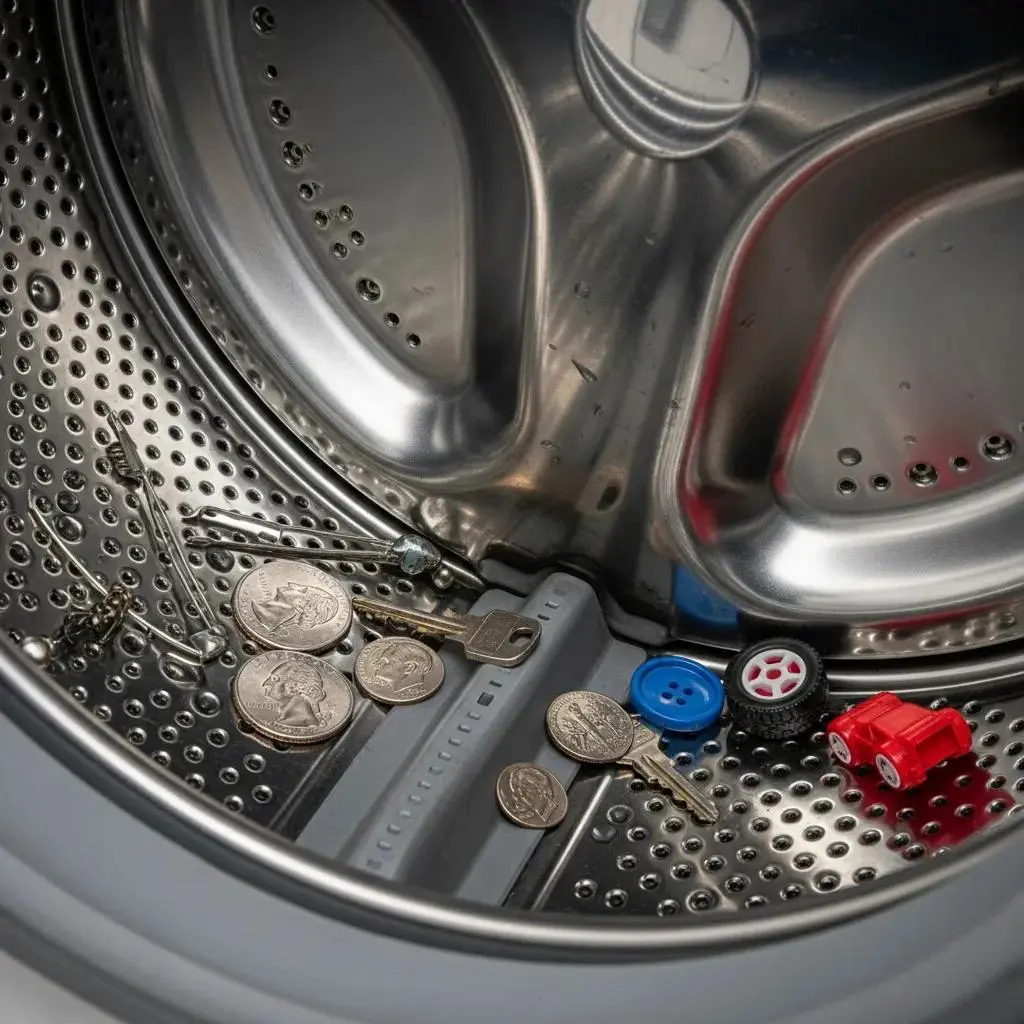
Several factors can contribute to appliance noises, including:
- Loose Parts: Over time, screws and components can loosen, leading to rattling or banging sounds.
- Foreign Objects: Items caught in the appliance, such as coins or small utensils, can create unusual noises during operation.
- Worn Bearings: Bearings in motors and drums can wear out, causing grinding or squeaking sounds.
- Unbalanced Loads: In washing machines and dryers, unbalanced loads can lead to excessive vibrations and noise.
- Mechanical Failures: More serious issues, such as motor failures or damaged components, can produce loud and alarming noises.
This table highlights the common causes of appliance noises, their descriptions, and potential solutions. Understanding these factors can help homeowners address issues before they escalate.
Research further supports the importance of identifying specific component wear, such as in bearings, to diagnose appliance noise effectively.
Household Appliance Bearing Noise & Damage Identification
bearing vibration/noise and the amount of flaws in ball bearing assemblies for transmissions systems used in this study to identify and quantify damages
Damage identification of ball bearings for transmission systems in household appliances, 2007
Troubleshooting Steps for Appliance Noise
When faced with noisy appliances, homeowners can follow these troubleshooting steps:
- Identify the Noise Source: Listen carefully to determine where the noise is coming from.
- Check for Loose Parts: Inspect the appliance for any loose screws or components that may be causing the noise.
- Examine the Drum or Interior: For washing machines and dryers, check the drum for foreign objects or unbalanced loads.
- Inspect Bearings and Mechanical Components: Look for signs of wear or damage in motors and bearings.
- Review Load Size: Ensure that loads are balanced and within the appliance’s capacity.
For those who find the troubleshooting process overwhelming, seeking professional help can provide peace of mind. Appliance Expert specializes in diagnosing and repairing noisy household appliances, ensuring reliable solutions for homeowners in Toronto and surrounding areas.
When to Seek Professional Help
Knowing when to call a professional is crucial for effective appliance maintenance. Signs that indicate the need for professional help include:
- Signs of Serious Mechanical Failure: If the appliance is making loud, alarming noises that persist despite troubleshooting efforts, it may indicate a significant issue.
- Benefits of Professional Diagnostics: Certified technicians can accurately diagnose problems that may not be apparent to the average homeowner.
- Cost-Effectiveness of Professional Repairs: While DIY fixes may seem appealing, professional repairs can save money in the long run by preventing further damage.
What Are the Common Noises Appliances Make and What Do They Mean?
Understanding the types of noises appliances make can help homeowners identify potential issues. Common noises include:
- Rattling Noises: Often caused by loose parts or foreign objects.
- Thumping Noises: Typically indicate an unbalanced load in washing machines or dryers.
- Grinding Noises: Usually a sign of worn bearings or mechanical failure.
- Buzzing or Clicking Noises: Can indicate electrical issues or malfunctioning components.
- Hissing Noises: Often associated with refrigerant leaks in refrigerators.
- Squeaking Noises: May indicate worn belts or bearings.
Which Noise Types Indicate Appliance Issues?
Identifying specific noise types can help homeowners understand the severity of the issue. For example:
- Rattling Noises: Suggest loose components or foreign objects.
- Thumping Noises: Indicate unbalanced loads that need adjustment.
- Grinding Noises: Often signal worn bearings that require replacement.
- Buzzing or Clicking Noises: May point to electrical problems needing professional attention.
- Hissing Noises: Can indicate refrigerant leaks that require immediate repair.
- Squeaking Noises: Often suggest worn belts or bearings that need replacement.
How Do Appliance Components Cause Different Sounds?
Different components within appliances contribute to the sounds they make. For instance, motors, belts, and bearings all play a role in the overall noise profile of an appliance. Understanding how these components function can help homeowners diagnose issues more effectively.
How Can You Diagnose Appliance Noise Issues Step-by-Step?
Diagnosing appliance noise issues can be approached systematically:
- Identify the Type of Noise: Determine whether the noise is rattling, grinding, or buzzing.
- Inspect the Load: Check if the appliance is overloaded or unbalanced.
- Check for Loose Parts: Look for any screws or components that may have come loose.
- Examine the Drum: For washing machines, inspect the drum for foreign objects.
- Inspect the Bearings and Rollers: Look for signs of wear or damage.
- Review the Exhaust Vent: Ensure that vents are clear and functioning properly.
- Perform Functional Tests: Run the appliance to see if the noise persists.
- Consult the User Manual: Refer to the manual for troubleshooting tips specific to the appliance.
- Seek Professional Help: If the issue remains unresolved, contact a professional technician.
What Is the Checklist for Identifying Appliance Noise Causes?
A checklist can help streamline the diagnosis process:
- Identify the type of noise.
- Inspect the load for balance.
- Check for loose parts.
- Examine the exhaust vent for blockages.
- Inspect internal components for wear.
- Perform functional tests to assess performance.
- Consult the user manual for specific guidance.
- Consider professional help if issues persist.
When Should You Attempt DIY Noise Fixes vs. Call a Professional?
Deciding between DIY fixes and professional help can be challenging. Indicators for DIY fixes include minor noises that can be easily identified and resolved. However, if the noise is loud, persistent, or accompanied by other symptoms, it is advisable to seek professional assistance to avoid further damage.
What Are Typical Noise Causes for Major Household Appliances?
Different household appliances have unique noise profiles. Understanding these can help homeowners address issues effectively.
Why Is My Washing Machine Making Noise?
Washing machines can produce various noises due to:
- Loose Parts: Screws or components may rattle during operation.
- Worn Bearings: Bearings can wear out, causing grinding sounds.
- Foreign Objects: Items caught in the drum can create noise.
- Unbalanced Loads: Improperly loaded machines can vibrate excessively.
Further research confirms that unbalanced loads are a primary contributor to washing machine noise and operational issues.
Washing Machine Noise: Unbalanced Load Diagnosis
unbalanced forces on the washing machine prevent successful operation of the machine and may lead to vibrations, noise
Estimation of unbalanced loads in washing machines using fuzzy neural networks, E Altuğ, 2012
What Causes Dryer Loud Noises and How to Address Them?
Dryers can also be noisy due to:
- Rattling Noises: Often caused by loose components or foreign objects.
- Thumping Noises: Typically indicate an unbalanced load.
- Grinding Noises: May signal worn bearings or mechanical failure.
How to Fix Refrigerator Humming and Other Noises?
Refrigerators can hum or make other noises due to:
- Power Supply Issues: Check the power source for any disruptions.
- Temperature Settings: Ensure settings are appropriate for optimal performance.
- Error Codes: Look for any error codes displayed on the appliance.
- Condenser Coils: Clean coils to improve efficiency and reduce noise.
- Door Seals: Inspect seals for damage that may cause noise.
Beyond humming, refrigerators can also produce distinct sounds like popping, which has been a known issue for manufacturers and consumers alike.
Troubleshooting Refrigerator Popping Noise
An intermittent noise that occurs around 30 s after compressor start-up has been disturbing customers of different domestic refrigerator manufacturers over the past 10 years. This noise
Popping noise in household refrigerators: Fundamentals and practical solutions, 2013
How Does Professional Appliance Noise Repair Ensure Reliable Solutions?
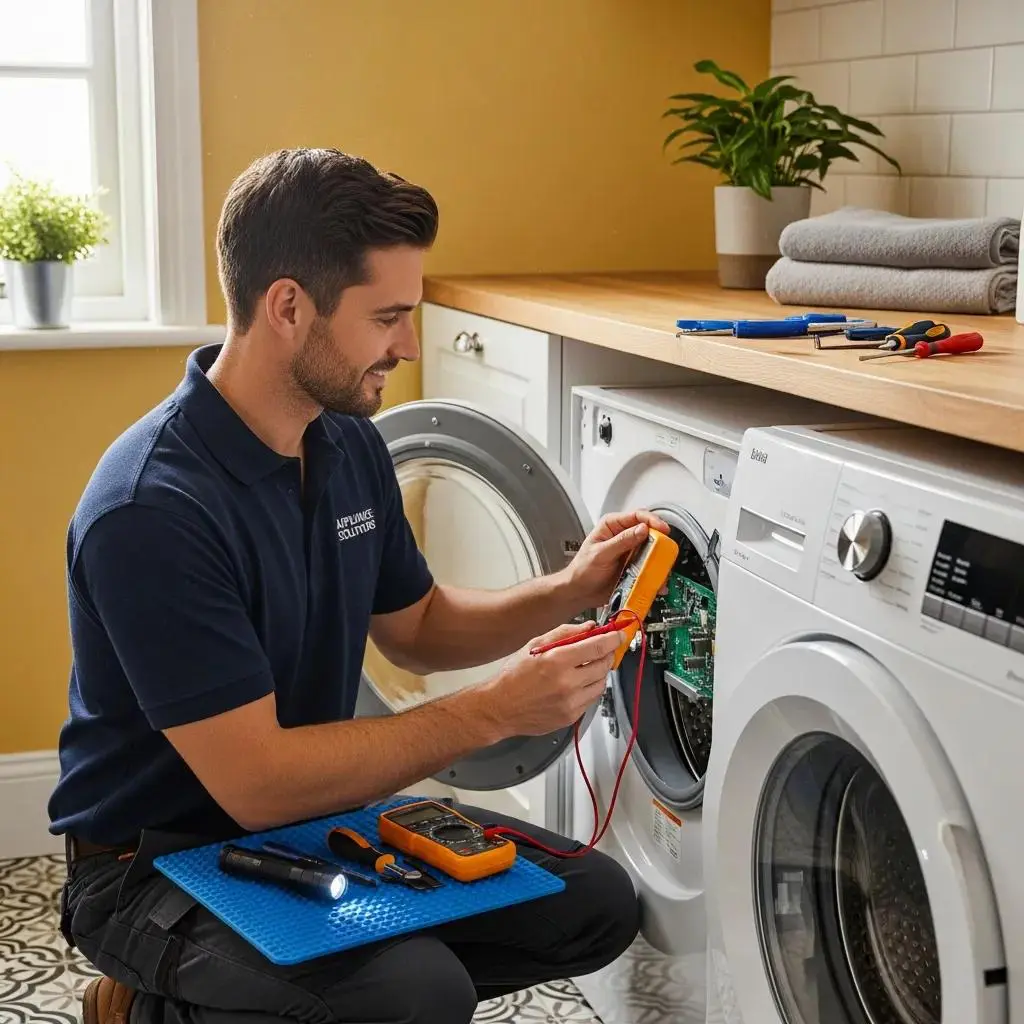
Professional appliance repair services offer several benefits, including:
- Expertise of Certified Technicians: Trained professionals can accurately diagnose and repair issues.
- Quality Assurance of Repairs: Professional repairs come with guarantees, ensuring peace of mind.
- Cost Savings from Professional Repairs: Investing in professional services can prevent costly future repairs.
What Are the Benefits of Certified Technicians and Transparent Pricing?
Hiring certified technicians provides several advantages:
- Expertise and Knowledge: Professionals have the training and experience to handle complex issues.
- Quality Assurance: Repairs are often backed by warranties, ensuring reliability.
- Cost Savings: Professional repairs can save money in the long run by preventing further damage.
How to Book Local Appliance Noise Repair Services in Toronto?
For homeowners in Toronto seeking appliance repair services, contacting Appliance Expert is a straightforward process. They specialize in diagnosing and repairing noisy household appliances, ensuring reliable solutions for your needs. To book a service, simply reach out to their team for prompt assistance.
By understanding the causes of appliance noise and following the troubleshooting steps outlined in this guide, homeowners can effectively address issues and maintain their appliances in optimal condition.