

Professional Gas Appliance Repair and Safety by Expert Appliance
Gas appliances are a common feature in many Toronto homes, providing convenience and efficiency in cooking, heating, and hot water supply. However, the operation of gas appliances comes with inherent risks, primarily due to the potential for gas leaks and malfunctions. This article delves into critical aspects of gas appliance repair and safety, emphasizing how Toronto residents can effectively detect and prevent gas leaks, understand repair costs, ensure compliance with regulations, and access emergency services when needed. You’ll also learn about essential maintenance practices that homeowners should adopt to prolong the lifespan of their appliances and improve safety.
How to Detect and Prevent Gas Leaks in Toronto Residences
Detecting and preventing gas leaks is crucial for home safety. Natural gas leaks can lead to significant hazards, including explosions and health risks. Recognizing the signs of a leak is the first step toward effective prevention and rapid response.
What Are the Common Signs and Risks of Natural Gas Leaks?
Common indicators of a gas leak include a distinct sulfur smell, often described as rotten eggs, bubbling in standing water, or dead vegetation near gas lines. In addition, residents may experience symptoms such as headaches, dizziness, fatigue, or nausea, which could indicate exposure to carbon monoxide—a byproduct of incomplete combustion. Awareness of these signs is essential, as ignoring them can lead to dangerous situations.
Which Gas Leak Detection Technologies Are Recommended in Toronto?
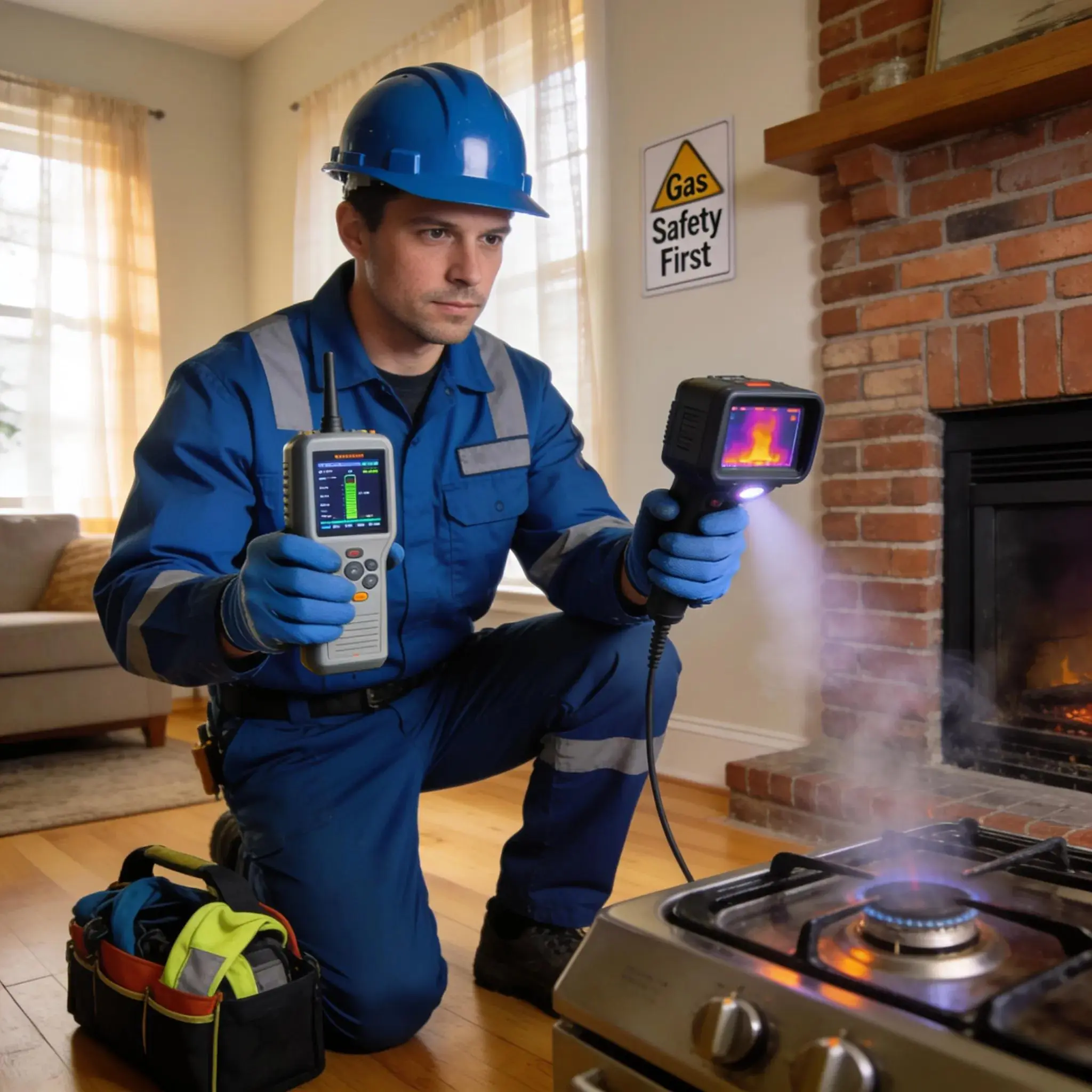
To enhance safety, several gas leak detection technologies are available. These include:
- Electronic Gas Detectors: These devices detect gas presence through sensors, providing audible alarms.
- Infrared Cameras: These can visually identify leaks by detecting gas thermal signatures.
- Smart Home Technology: Integrated sensors can alert homeowners via smartphone if a leak is detected.
By employing these technologies, homeowners can proactively safeguard their properties against gas leaks.
Professional Gas Appliance Repair and Safety by Expert Appliance
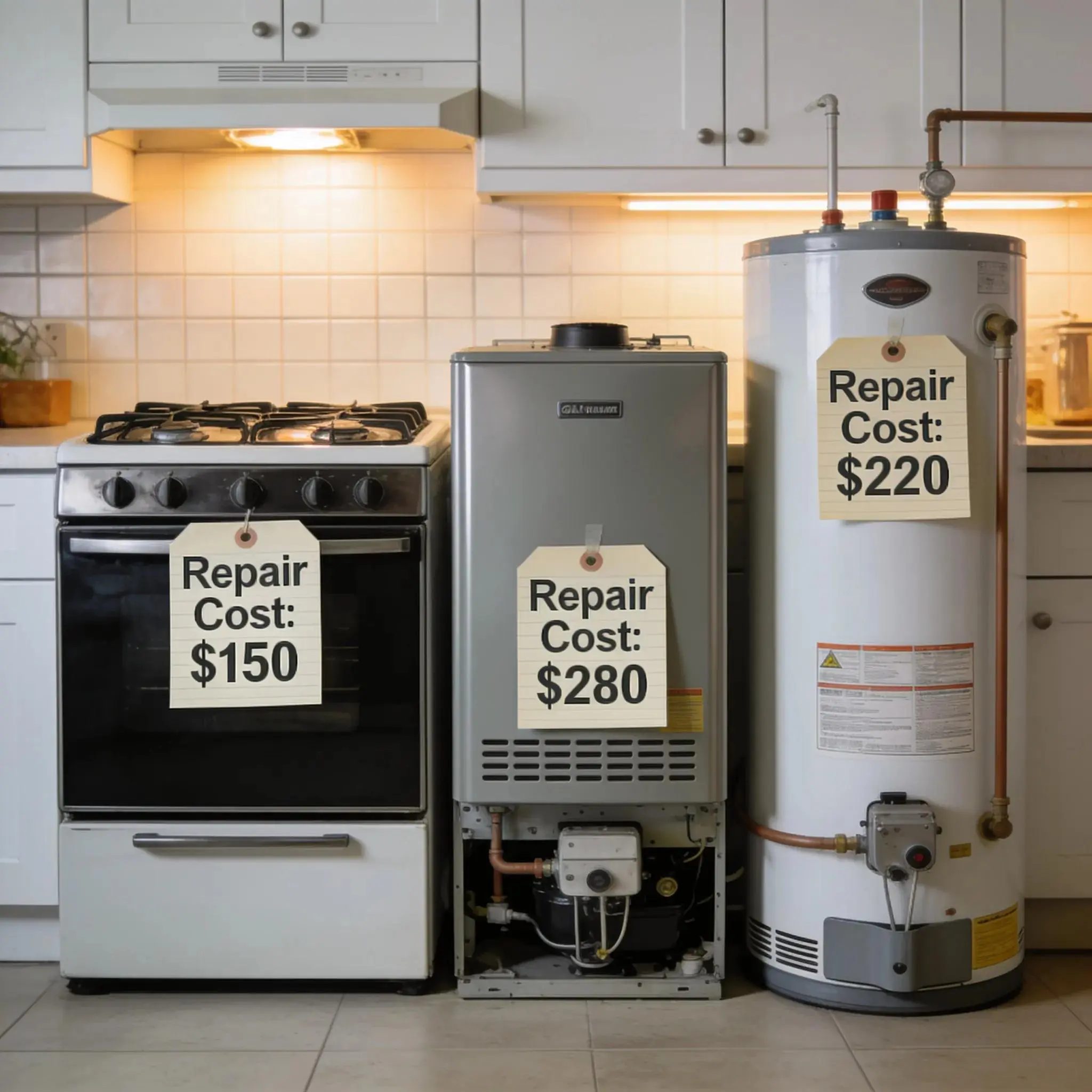
Understanding the costs associated with gas appliance repair helps homeowners budget effectively and take necessary precautions. Various factors influence these costs, making it essential to grasp the variables that affect pricing.
How Does Appliance Type Influence Gas Stove Repair Pricing?
The type of gas appliance significantly impacts repair costs. For instance:
- Gas Stoves: Repairs typically range from $100 to $400, depending on the nature of the issue.
- Gas Furnaces: Repairs can be more expensive, ranging from $200 to $800, given the complexity and necessary parts.
- Gas Water Heaters: Costs for repairs often fall between $150 to $500.
Understanding these variations enables homeowners to anticipate expenses and seek timely repairs.
What Additional Expenses Affect Gas Appliance Repair Cost Estimates?
In addition to the base repair costs, several other factors can impact overall expenses, including:
- Parts Replacement Costs: Specific components may need replacement, affecting the total.
- Service Fees: Labor charges vary by technician and can significantly influence costs.
- Emergency Call-Out Fees: If repairs are needed after hours, fees tend to be higher.
Being informed about these additional expenses can prevent surprises on the final bill.
Which Certifications and Licensing Are Mandatory for Gas Fitters in Toronto?
Hiring a qualified professional is critical for ensuring safe and compliant gas appliance repairs. Understanding necessary certifications can help homeowners identify qualified technicians.
What Are the Ontario and Toronto Regulatory Requirements for Gas Appliance Repair Professionals?
Gas fitters in Toronto must meet specific regulatory requirements, including holding a valid license and completing requisite education. The licensing ensures that technicians understand safety protocols and local bylaws. Homeowners should always verify that their technician has the appropriate certifications.
How Does Hiring a Licensed Gas Fitter Enhance Safety and Compliance?
Hiring a licensed gas fitter not only ensures compliance with regulations but also enhances safety. Qualified professionals are trained to handle potential hazards effectively, minimizing risks associated with gas appliance repairs. Their expertise helps in identifying underlying issues that untrained individuals might overlook.
When and How to Access Emergency Gas Appliance Repair Services in Toronto?
Understanding when to seek emergency services can save lives and prevent property damage. Gas appliance emergencies require prompt action.
What Constitutes a Gas Appliance Emergency Requiring Immediate Intervention?
A gas appliance emergency typically includes:
- Strong Gas Odor: A strong smell of gas in the home indicates a leak.
- Hissing Sounds: Unusual sounds near gas lines signal potential leaks.
- Visible Gas: Signs of gas escaping, such as bubbling in water or dead plants around pipes.
Recognizing these emergencies allows homeowners to act swiftly.
How to Contact and Prepare for Emergency Gas Repair Services Efficiently?
When contacting emergency repair services, residents should:
- Provide Clear Information: Explain the problem and include any unusual signs noticed.
- Specify Location: Clearly indicate the home address and any landmarks.
- Follow Safety Protocols: Evacuate the area if necessary, ensuring that all residents are safe.
Prompt communication expedites the response time of emergency services.
What Are the Essential Gas Appliance Maintenance and Safety Practices for Toronto Homeowners?
Regular maintenance is vital for ensuring safe and efficient operation of gas appliances. Many homeowners can implement straightforward practices to enhance safety and longevity.
Which Routine Maintenance Tasks Prolong Gas Appliance Lifespan and Safety?
Homeowners should perform several routine tasks, including:
- Regular Inspection: Check appliances for signs of wear and tear.
- Clean Burners: Ensure burners are free from debris to maintain efficiency.
- Flame Color Check: A blue flame indicates proper combustion; yellow or orange flames may signal a problem.
By consistently following these maintenance practices, homeowners can extend the lifespan of their appliances.
How to Implement Natural Gas Safety Tips Compliant with Toronto Codes?
Safety tips that adhere to local regulations include:
- Installing Carbon Monoxide Detectors: Essential for detecting the presence of CO.
- Ventilation: Ensure rooms with gas appliances are well-ventilated to prevent gas accumulation.
- Emergency Shutoff Valves: Familiarize yourself with the locations of emergency shutoff valves in your home for quick access.
Adhering to these tips can significantly improve home safety.
How Do Homeowners Verify Insurance and Warranty Coverage for Gas Stove Repairs in Toronto?
Understanding insurance and warranty coverage can save homeowners from unexpected repair costs. It is crucial to clarify coverage details with insurance providers.
Are Gas Appliance Repairs Typically Covered by Home Insurance Policies?
Many home insurance policies cover gas appliance repairs, but this can vary. Homeowners should review their policies to understand coverage limits, deductible amounts, and any exclusions that may apply. It is advisable to contact the insurance provider directly to confirm specifics.
What Warranty Options Exist for Gas Stove Repairs and Replacements?
Warranties for gas appliances often cover specific repairs or replacement parts. Homeowners should inquire about:
- Manufacturer’s Warranty: Coverage provided directly by the manufacturer upon purchase.
- Extended Warranty: Additional protection sold by retailers.
- Service Warranties: Offered by repair companies that cover costs after initial contracts expire.
Comparing warranty options ensures that homeowners select a plan offering adequate protection.